S
Sophia Hartman
Guest
- Thread Author
- #1
Long fall nights, not a special fertilizer, are what tell this houseplant to start forming flower buds each year. I still find it amazing that long, dark nights can matter more than most products you buy.
Cool air plays a big part too, since nights near 55 degrees can trigger buds even with normal daylight. You need to watch your thermostat as closely as your calendar during the first chilly weeks of fall.
Wild relatives of this plant grow on tree branches in the misty mountain forests of southeastern Brazil. That forest home explains why it likes filtered light, quick drainage, and a slightly snug pot.
Right now, your plant is quietly reading the shorter days through its flat green stem segments. Who knew a lamp left on in the living room could push back those pink and red flowers by weeks?
© Reddit
Darkness is the main signal your Christmas cactus uses to decide when to set flower buds for the holidays. Extension experts often suggest giving the plant twelve to fourteen hours of steady darkness every night.
Starting in early October gives buds about six to eight weeks to form before the middle of December. That timing matches advice from several university extension services that study holiday cacti and their bloom cycles.
You can set up dark nights by moving the plant into a spare room that nobody uses after sunset. A closet works too, as long as you bring the pot back into bright light every morning.
Light from a lamp, a television, or even a hallway nightlight can interrupt the long night the plant needs. Even a short burst of light may reset the count and slow the start of new buds.
Some gardeners cover the plant with a cardboard box or dark cloth from about six in the evening. They remove the cover around eight in the morning so the leaves still get plenty of daytime light.
Keep this routine going until you see small buds forming at the tips of the flat stem segments. Once buds appear, you can usually relax the dark schedule and return the plant to its normal spot.
Many people say this single October change makes a bigger difference than anything else they try. I like that it costs nothing and only takes a minute or two each evening.
© Epic Gardening
Temperature works as a second trigger, and it can sometimes replace long nights if the air is cool enough. Research shared by extension services shows nights around 50 to 55 degrees encourage strong bud formation.
Warm homes often run near 70 degrees, which can make the plant ignore short days and keep growing leaves. Lowering the night temperature helps the Christmas cactus shift its energy from new stems toward future flowers.
An unheated sunroom, a cool bedroom, or a bright basement window can provide the chill your plant prefers. Just make sure the space stays above freezing, since frost can damage the soft, juicy stem segments quickly.
Many gardeners leave their plants outdoors on a shaded porch through early October when nights are mild. You should bring the pot inside once forecasts show temperatures dropping below about 45 degrees at night.
Watch out for cold drafts from doors that open often, because sudden swings can stress the plant. Heating vents cause the opposite problem, blowing warm, dry air that can make buds shrivel before they open.
A cheap indoor thermometer placed beside the pot helps you track the real temperature near the leaves. Room readings on a wall thermostat can differ by several degrees from the air beside a cold window.
Fun fact, the Christmas cactus belongs to a group called Schlumbergera, named after a French plant collector. That old name still appears on plant tags in many garden centers across the country today.
© Reddit
Many longtime growers find that slightly dry plants in fall often bloom better than soggy ones. A little dryness in October helps the Christmas cactus slow its leafy growth and focus on budding.
Many extension guides suggest letting the top inch of soil dry out before you water again. Push your finger into the potting mix, and water only when it feels dry at that depth.
When you do water, soak the soil until a little runs out of the drainage hole at the bottom. Empty the saucer afterward so the roots are not sitting in standing water for hours or days.
Roots of this plant are fine and shallow, and they rot easily when the mix stays wet. Root rot often shows up as limp, wrinkled stems even though the soil looks moist and dark.
Cooler air means the soil dries more slowly in fall than it did during the warm months. You may find yourself watering every ten to fourteen days instead of once a week like before.
Avoid letting the plant dry so much that the stem segments shrink and look deeply wrinkled. A balanced approach, slightly dry but never parched, gives the plant the steady signal it needs right now.
I keep a sticky note on the pot with the last watering date written in pencil. That small habit stops me from adding water just because I happen to walk past the plant.
© Yahoo
Feeding feels helpful, yet extra nutrients in fall can push leaves instead of flowers on your holiday cactus. Most extension services recommend stopping fertilizer by late September or early October each year.
Nitrogen in plant food encourages fresh green stems, which competes with the plant’s effort to form buds. Pausing now lets the Christmas cactus rest and save its energy for a strong flowering season.
During spring and summer, a balanced houseplant fertilizer mixed at half strength works well about once a month. That growing season feeding builds the healthy stems where buds will form later in the year.
Some growers also add a little Epsom salt during the growing months, though results vary, so treat it as optional rather than required.
If you already fed your plant in early October, there is no reason to worry about it. Simply stop now and keep following the dark nights, cool temperatures, and lighter watering routine for best results.
Salt from old fertilizer can build up in the pot and appear as a white crust on soil. Flushing the soil with plain water once can rinse away some of that buildup before winter.
Think of October as a quiet month for your plant, almost like a nap before a big party. You can restart feeding after the blooms fade and fresh growth appears in late winter or spring.
© The Spruce
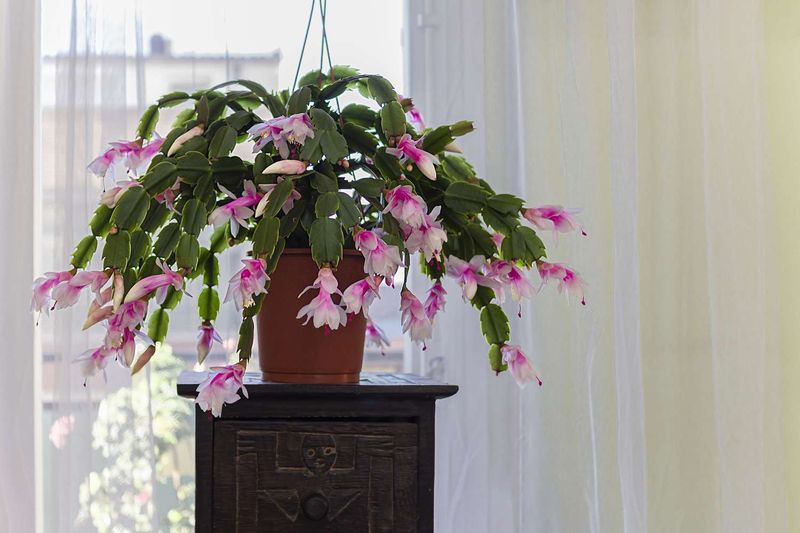
Long nights get most of the attention, but daytime light fuels the energy needed to build healthy flower buds. Your Christmas cactus does best in bright, indirect light during the hours between those dark nights.
An east facing window often works nicely because it gives gentle morning sun without the harsh afternoon heat. A sheer curtain on a south window can also filter strong rays and protect the flat stems.
Too much direct sun may turn the stem segments reddish or purple, which is a sign of stress. Moving the pot a few feet back from the glass usually helps the color return to green.
Too little light causes weak, stretched growth and fewer buds, even when the nights are properly dark. Plants tucked into shady corners sometimes skip blooming altogether, which frustrates many owners every single December.
Fall days are shorter, so the sunlight that does arrive becomes more valuable to your plant each week. Clean the window and wipe dust off the leaves with a damp cloth to help them absorb more light.
Turning the pot a quarter turn every few days during October helps all sides receive even light. Once buds appear, though, you should stop rotating, since buds may drop when their direction suddenly changes.
I picture the daytime light as a meal and the dark night as sleep for the plant. Both are needed, and skipping either one tends to leave you with a thinner holiday show.
© Gardening Know How
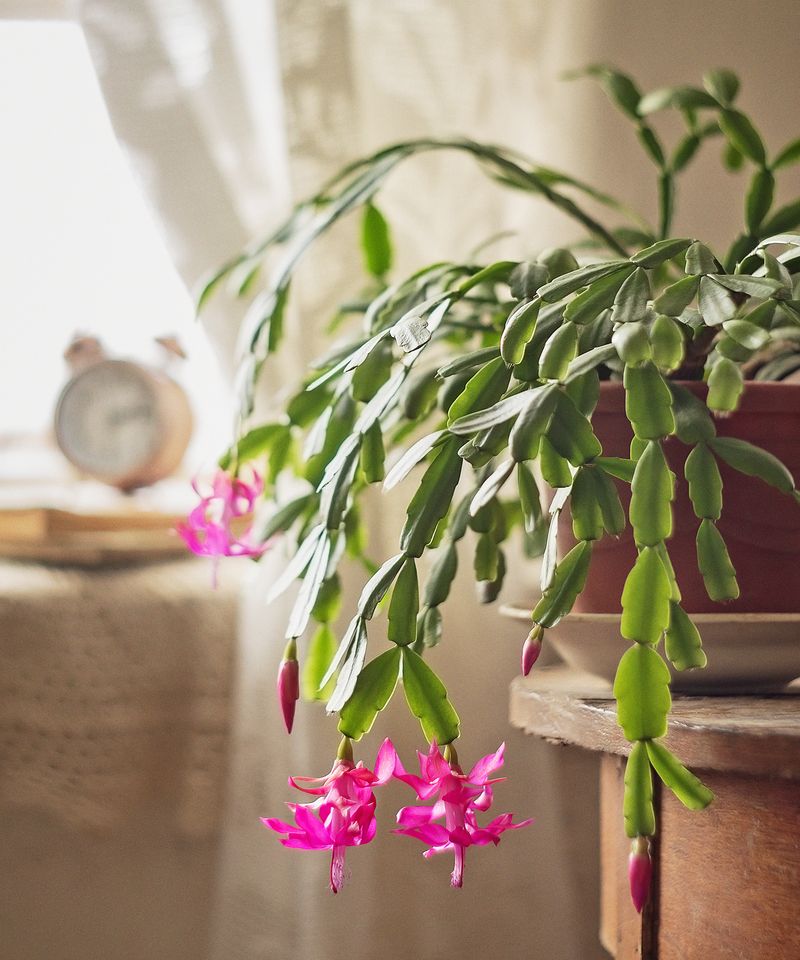
Bud drop is one of the most common complaints about holiday cacti, and it often follows sudden changes. Once those tiny buds appear in late October or November, your plant wants a calm, steady routine.
Moving the pot from a cool room into a warm one can shock the plant and make buds fall. Try to choose its blooming spot early, then leave it there through the whole flowering season.
Big swings in temperature, light, or watering are frequent causes of bud drop, according to many extension sources. Dry indoor heat from furnaces also plays a role once the heating season starts up in fall.
Raising humidity can help buds stay plump, especially in homes where furnaces run for long hours daily. Setting the pot on a tray of pebbles and water adds moisture to the air around the leaves.
Keep the bottom of the pot above the water line so the roots do not sit in moisture. Grouping several houseplants together also raises humidity a little, because their leaves release water vapor naturally.
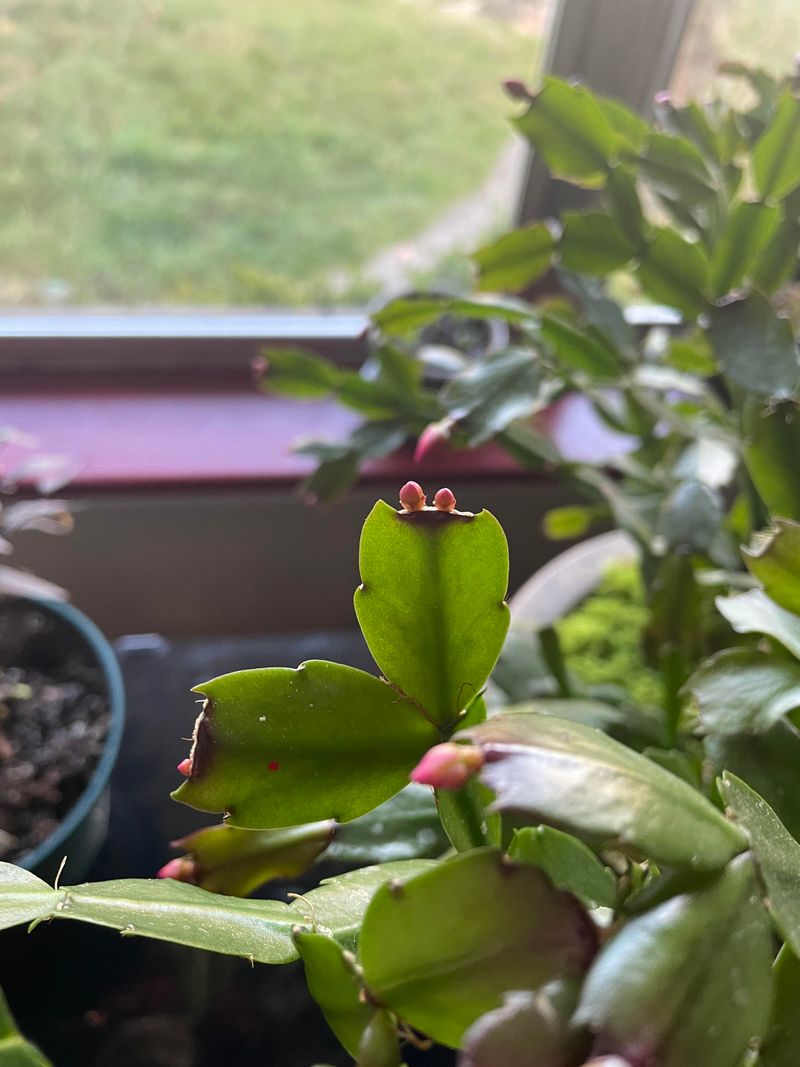
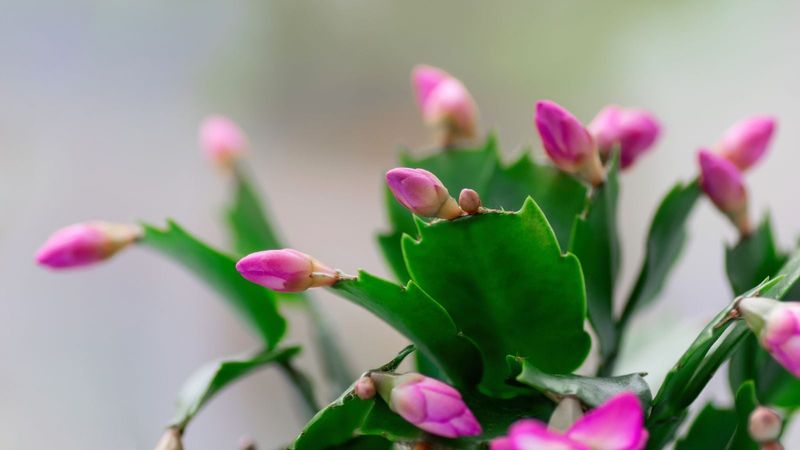
Small pink or red tips at the ends of stem segments are your first sign that buds are forming. Seeing them feels exciting, but resist the urge to show the plant off by carrying it around.
Patience pays off here, since buds usually take several weeks to swell and open into full flowers. A plant left alone in a good spot often rewards you with blooms lasting several weeks.
© Reddit
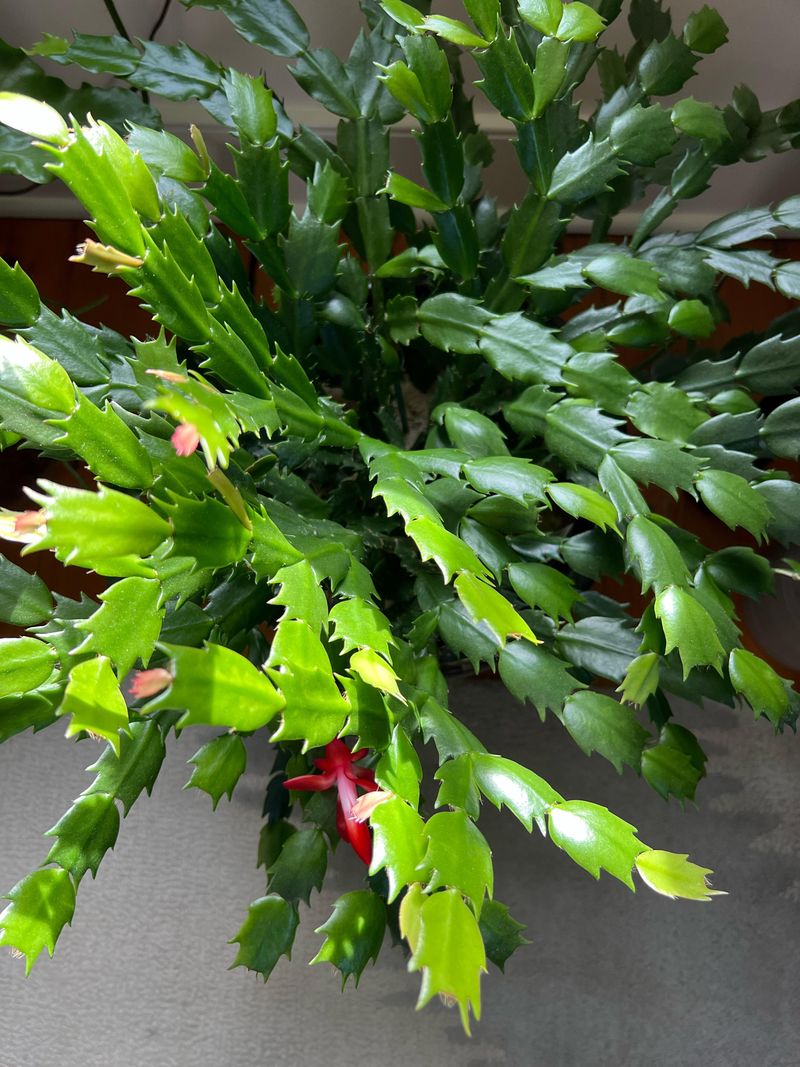
Many plants sold as Christmas cactus in stores are actually Thanksgiving cactus, a close relative with pointed leaves. Knowing which one you own explains a lot about when flowers will appear in your home.
Thanksgiving cactus, Schlumbergera truncata, has sharp, claw like points along the edges of each stem segment. True Christmas cactus, Schlumbergera × buckleyi (also sold under the older name Schlumbergera bridgesii), has smoother, more rounded scalloped edges on each segment.
Thanksgiving types usually bloom in November, several weeks earlier than true Christmas cactus plants typically do. That means October changes matter even more for them, because their buds start forming sooner in fall.
Easter cactus is another cousin, but it follows a different cycle and blooms in spring instead. Its segments have small bristles and rounded edges, so it looks a bit different from the holiday types.
Plant breeders have mixed these species for many years, so some modern hybrids fall somewhere in between. Bloom timing can shift a little depending on the exact parent plants and your home conditions.
If your plant flowers in November, that does not mean you did anything wrong this fall. It simply may be a Thanksgiving cactus doing exactly what nature designed it to do each year.
Take a close look at the stem edges tonight while you set up the dark schedule. Learning the true identity can turn a confusing plant into one that finally makes sense to you.
© Reddit
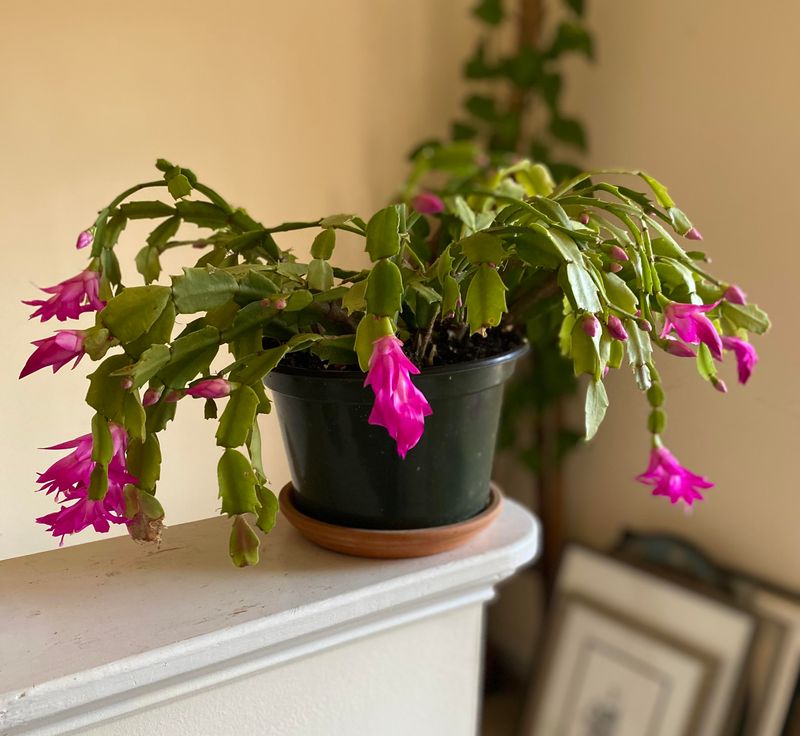
Repotting in October might seem like a helpful fall chore, but it can upset the plant’s budding plans. Most extension experts suggest waiting until late winter or spring, after the flowers have faded.
Christmas cactus often blooms best when its roots are a little crowded in a snug container. Many healthy plants can stay in the same pot for two or three years without much trouble.
When the time does come, choose a pot only one size larger with a good drainage hole. Clay pots dry faster than plastic ones, which suits roots that prefer air and quick drainage.
A fast draining mix works well, such as regular potting soil blended with perlite or orchid bark. That loose texture copies the tree branch home where wild relatives grow in Brazilian mountain forests.
Pruning also belongs to the spring season, not to October, when the plant is busy forming buds. Removing a few segments after blooming encourages branching, which can lead to more flowers the following year.
Those pruned segments root easily in moist potting mix, so you can share new plants with friends. Some families have passed cuttings from the same holiday cactus down through several generations over many decades.
For now, simply enjoy watching the plant prepare its colorful show for the coming holidays. A little patience this fall, plus spring care later, keeps your cactus healthy and blooming for years.
The post Your Christmas Cactus Needs These October Changes To Bloom On Time appeared first on Positivebloom.
Cool air plays a big part too, since nights near 55 degrees can trigger buds even with normal daylight. You need to watch your thermostat as closely as your calendar during the first chilly weeks of fall.
Wild relatives of this plant grow on tree branches in the misty mountain forests of southeastern Brazil. That forest home explains why it likes filtered light, quick drainage, and a slightly snug pot.
Right now, your plant is quietly reading the shorter days through its flat green stem segments. Who knew a lamp left on in the living room could push back those pink and red flowers by weeks?
1. Give The Plant Long Dark Nights Starting Now
Darkness is the main signal your Christmas cactus uses to decide when to set flower buds for the holidays. Extension experts often suggest giving the plant twelve to fourteen hours of steady darkness every night.
Starting in early October gives buds about six to eight weeks to form before the middle of December. That timing matches advice from several university extension services that study holiday cacti and their bloom cycles.
You can set up dark nights by moving the plant into a spare room that nobody uses after sunset. A closet works too, as long as you bring the pot back into bright light every morning.
Light from a lamp, a television, or even a hallway nightlight can interrupt the long night the plant needs. Even a short burst of light may reset the count and slow the start of new buds.
Some gardeners cover the plant with a cardboard box or dark cloth from about six in the evening. They remove the cover around eight in the morning so the leaves still get plenty of daytime light.
Keep this routine going until you see small buds forming at the tips of the flat stem segments. Once buds appear, you can usually relax the dark schedule and return the plant to its normal spot.
Many people say this single October change makes a bigger difference than anything else they try. I like that it costs nothing and only takes a minute or two each evening.
2. Let The Nights Run Cool
© Epic Gardening
Temperature works as a second trigger, and it can sometimes replace long nights if the air is cool enough. Research shared by extension services shows nights around 50 to 55 degrees encourage strong bud formation.
Warm homes often run near 70 degrees, which can make the plant ignore short days and keep growing leaves. Lowering the night temperature helps the Christmas cactus shift its energy from new stems toward future flowers.
An unheated sunroom, a cool bedroom, or a bright basement window can provide the chill your plant prefers. Just make sure the space stays above freezing, since frost can damage the soft, juicy stem segments quickly.
Many gardeners leave their plants outdoors on a shaded porch through early October when nights are mild. You should bring the pot inside once forecasts show temperatures dropping below about 45 degrees at night.
Watch out for cold drafts from doors that open often, because sudden swings can stress the plant. Heating vents cause the opposite problem, blowing warm, dry air that can make buds shrivel before they open.
A cheap indoor thermometer placed beside the pot helps you track the real temperature near the leaves. Room readings on a wall thermostat can differ by several degrees from the air beside a cold window.
Fun fact, the Christmas cactus belongs to a group called Schlumbergera, named after a French plant collector. That old name still appears on plant tags in many garden centers across the country today.
3. Ease Up On The Watering Can This Month
Many longtime growers find that slightly dry plants in fall often bloom better than soggy ones. A little dryness in October helps the Christmas cactus slow its leafy growth and focus on budding.
Many extension guides suggest letting the top inch of soil dry out before you water again. Push your finger into the potting mix, and water only when it feels dry at that depth.
When you do water, soak the soil until a little runs out of the drainage hole at the bottom. Empty the saucer afterward so the roots are not sitting in standing water for hours or days.
Roots of this plant are fine and shallow, and they rot easily when the mix stays wet. Root rot often shows up as limp, wrinkled stems even though the soil looks moist and dark.
Cooler air means the soil dries more slowly in fall than it did during the warm months. You may find yourself watering every ten to fourteen days instead of once a week like before.
Avoid letting the plant dry so much that the stem segments shrink and look deeply wrinkled. A balanced approach, slightly dry but never parched, gives the plant the steady signal it needs right now.
I keep a sticky note on the pot with the last watering date written in pencil. That small habit stops me from adding water just because I happen to walk past the plant.
4. Put The Fertilizer Away Until Spring
© Yahoo
Feeding feels helpful, yet extra nutrients in fall can push leaves instead of flowers on your holiday cactus. Most extension services recommend stopping fertilizer by late September or early October each year.
Nitrogen in plant food encourages fresh green stems, which competes with the plant’s effort to form buds. Pausing now lets the Christmas cactus rest and save its energy for a strong flowering season.
During spring and summer, a balanced houseplant fertilizer mixed at half strength works well about once a month. That growing season feeding builds the healthy stems where buds will form later in the year.
Some growers also add a little Epsom salt during the growing months, though results vary, so treat it as optional rather than required.
If you already fed your plant in early October, there is no reason to worry about it. Simply stop now and keep following the dark nights, cool temperatures, and lighter watering routine for best results.
Salt from old fertilizer can build up in the pot and appear as a white crust on soil. Flushing the soil with plain water once can rinse away some of that buildup before winter.
Think of October as a quiet month for your plant, almost like a nap before a big party. You can restart feeding after the blooms fade and fresh growth appears in late winter or spring.
5. Keep Daytime Light Bright But Indirect
© The Spruce
Long nights get most of the attention, but daytime light fuels the energy needed to build healthy flower buds. Your Christmas cactus does best in bright, indirect light during the hours between those dark nights.
An east facing window often works nicely because it gives gentle morning sun without the harsh afternoon heat. A sheer curtain on a south window can also filter strong rays and protect the flat stems.
Too much direct sun may turn the stem segments reddish or purple, which is a sign of stress. Moving the pot a few feet back from the glass usually helps the color return to green.
Too little light causes weak, stretched growth and fewer buds, even when the nights are properly dark. Plants tucked into shady corners sometimes skip blooming altogether, which frustrates many owners every single December.
Fall days are shorter, so the sunlight that does arrive becomes more valuable to your plant each week. Clean the window and wipe dust off the leaves with a damp cloth to help them absorb more light.
Turning the pot a quarter turn every few days during October helps all sides receive even light. Once buds appear, though, you should stop rotating, since buds may drop when their direction suddenly changes.
I picture the daytime light as a meal and the dark night as sleep for the plant. Both are needed, and skipping either one tends to leave you with a thinner holiday show.
6. Leave The Pot In One Calm Spot
© Gardening Know How
Bud drop is one of the most common complaints about holiday cacti, and it often follows sudden changes. Once those tiny buds appear in late October or November, your plant wants a calm, steady routine.
Moving the pot from a cool room into a warm one can shock the plant and make buds fall. Try to choose its blooming spot early, then leave it there through the whole flowering season.
Big swings in temperature, light, or watering are frequent causes of bud drop, according to many extension sources. Dry indoor heat from furnaces also plays a role once the heating season starts up in fall.
Raising humidity can help buds stay plump, especially in homes where furnaces run for long hours daily. Setting the pot on a tray of pebbles and water adds moisture to the air around the leaves.
Keep the bottom of the pot above the water line so the roots do not sit in moisture. Grouping several houseplants together also raises humidity a little, because their leaves release water vapor naturally.
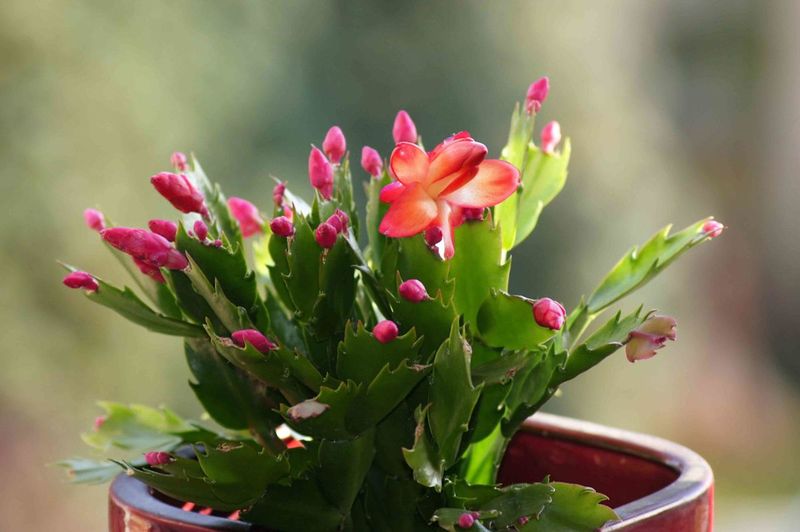
Small pink or red tips at the ends of stem segments are your first sign that buds are forming. Seeing them feels exciting, but resist the urge to show the plant off by carrying it around.
Patience pays off here, since buds usually take several weeks to swell and open into full flowers. A plant left alone in a good spot often rewards you with blooms lasting several weeks.
7. Check The Stem Edges To Know Your Bloom Timing
Many plants sold as Christmas cactus in stores are actually Thanksgiving cactus, a close relative with pointed leaves. Knowing which one you own explains a lot about when flowers will appear in your home.
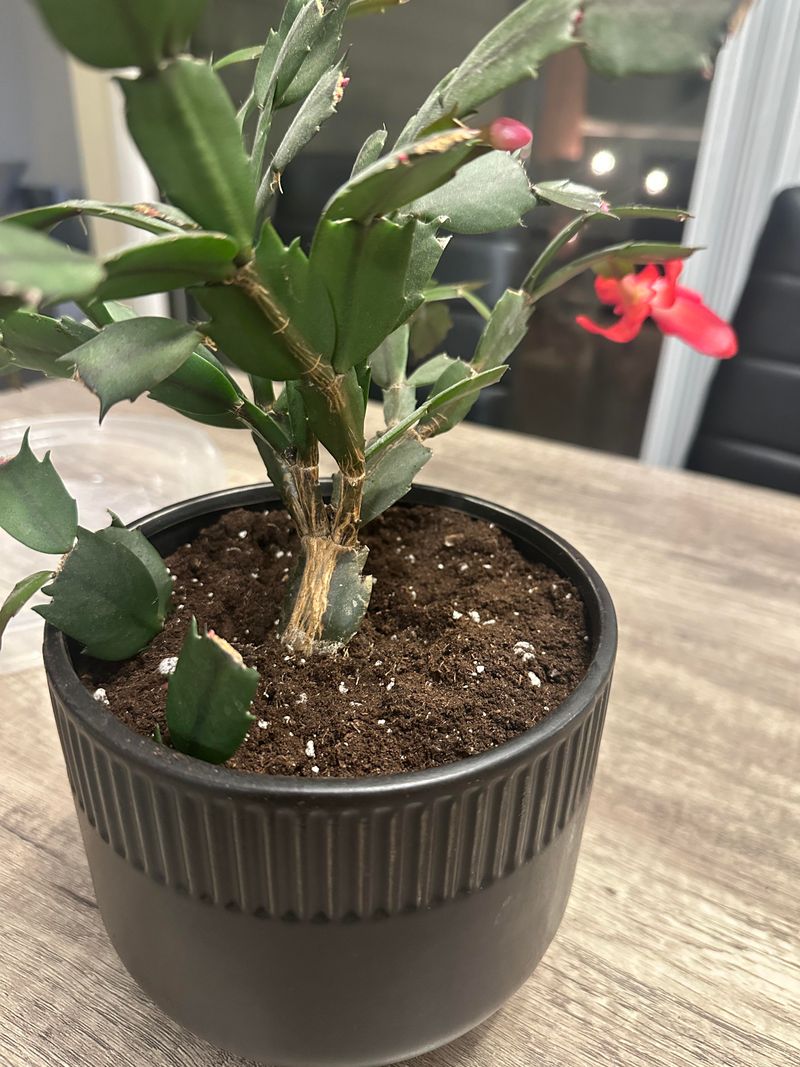
Thanksgiving cactus, Schlumbergera truncata, has sharp, claw like points along the edges of each stem segment. True Christmas cactus, Schlumbergera × buckleyi (also sold under the older name Schlumbergera bridgesii), has smoother, more rounded scalloped edges on each segment.
Thanksgiving types usually bloom in November, several weeks earlier than true Christmas cactus plants typically do. That means October changes matter even more for them, because their buds start forming sooner in fall.
Easter cactus is another cousin, but it follows a different cycle and blooms in spring instead. Its segments have small bristles and rounded edges, so it looks a bit different from the holiday types.
Plant breeders have mixed these species for many years, so some modern hybrids fall somewhere in between. Bloom timing can shift a little depending on the exact parent plants and your home conditions.
If your plant flowers in November, that does not mean you did anything wrong this fall. It simply may be a Thanksgiving cactus doing exactly what nature designed it to do each year.
Take a close look at the stem edges tonight while you set up the dark schedule. Learning the true identity can turn a confusing plant into one that finally makes sense to you.
8. Save Repotting Plans For After The Flowers
Repotting in October might seem like a helpful fall chore, but it can upset the plant’s budding plans. Most extension experts suggest waiting until late winter or spring, after the flowers have faded.
Christmas cactus often blooms best when its roots are a little crowded in a snug container. Many healthy plants can stay in the same pot for two or three years without much trouble.
When the time does come, choose a pot only one size larger with a good drainage hole. Clay pots dry faster than plastic ones, which suits roots that prefer air and quick drainage.
A fast draining mix works well, such as regular potting soil blended with perlite or orchid bark. That loose texture copies the tree branch home where wild relatives grow in Brazilian mountain forests.
Pruning also belongs to the spring season, not to October, when the plant is busy forming buds. Removing a few segments after blooming encourages branching, which can lead to more flowers the following year.
Those pruned segments root easily in moist potting mix, so you can share new plants with friends. Some families have passed cuttings from the same holiday cactus down through several generations over many decades.
For now, simply enjoy watching the plant prepare its colorful show for the coming holidays. A little patience this fall, plus spring care later, keeps your cactus healthy and blooming for years.
The post Your Christmas Cactus Needs These October Changes To Bloom On Time appeared first on Positivebloom.