L
Liam Prescott
Guest
- Thread Author
- #1
A wild bird in the woods behind my house asks who cooks for me, nearly every night lately. The rhythm sounds so human that my reaction was to check the porch for a prankster.
The caller is a big, brown-eyed hunter that lives across Virginia, from river bottoms to quiet suburban streets. It also cackles, gurgles, and screams, sometimes loud enough to make you spill your evening coffee.
Early October is prime time for this noise, since pairs renew their bonds and defend their home turf. I like how the calls drift through crisp fall air, carrying farther than they seem to on muggy nights.
Your backyard soundtrack is actually telling a story about love, food, and real estate in the trees. The truth is, that feathered neighbor is trying to say something from the dark branches above your roof!
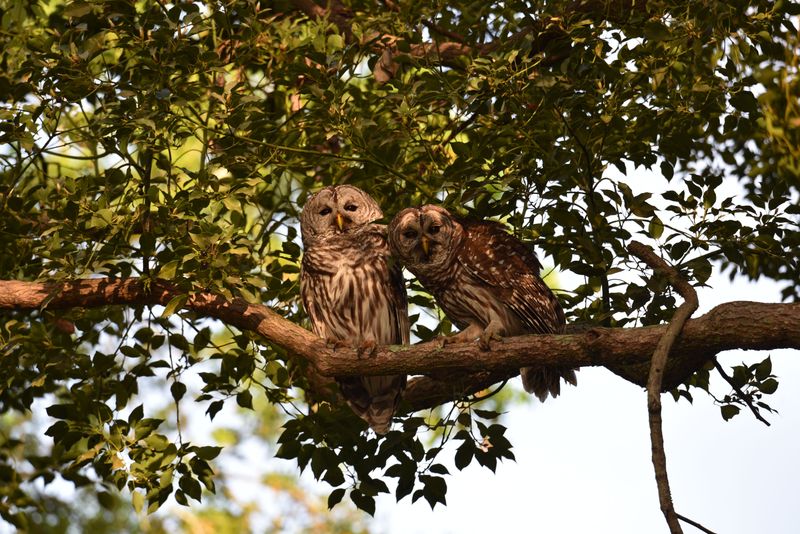
Image Credit: © Tom Nebel / Pexels
Think of that famous hoot as a spoken property line, announced to every owl within earshot of your trees. The classic phrase sounds like who cooks for you, who cooks for you all, rising and falling.
Birders agree this call is mostly about ownership, telling rivals that this patch of woods is already taken. Owls that hear it often answer back, and a hooting contest can stretch on for several minutes.
The same call also works like a phone check between mates who roost apart during the long night. One partner hoots, the other replies, and suddenly you have a loud duet echoing over your fence.
Hearing it night after night usually means a pair has settled close by rather than just passing through. These birds often mate for life and may use the same territory for many years in a row.
Pay attention to timing, because calls near dusk and dawn tend to be the strongest territorial messages. Jot down when you hear them, and you may notice a pattern that matches the owls’ daily rounds.
Personally, I find it comforting to know a steady pair is guarding the woods beside my garden. Your yard has basically been chosen, and that says something good about the trees around you.
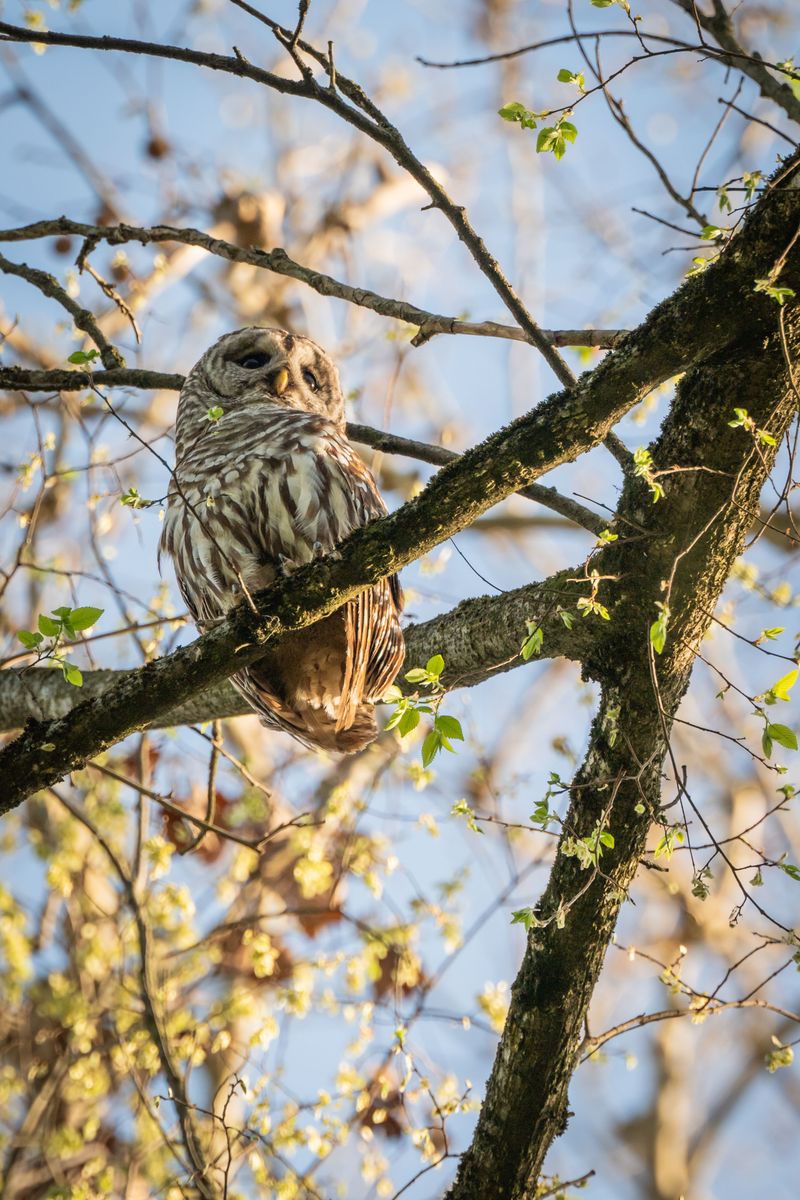
Image Credit: © Chris F / Pexels
Autumn is courtship rehearsal season for these owls, and early October can sound like a backyard concert. Pairs start renewing their bonds now, long before the first eggs appear in a hollow tree during late winter.
Young owls born this year are also leaving home and searching for empty territory to call their own. Their arrival stirs up the older residents, who respond with extra hooting to defend their familiar boundaries.
Cooler air helps too, since sound travels nicely on still fall evenings when leaves start to thin. A hoot that once seemed faint can suddenly feel like it is coming from your porch railing.
Across Virginia, many listeners report the busiest calling between sunset and midnight during October and November. Some pairs keep chatting into the gray hours before sunrise, especially after a quiet, windless night.
Grab a warm mug, sit outside after dark, and listen for two voices trading calls back and forth. The female usually has a slightly higher pitch, which makes picking out each partner a fun game.
I believe fall is the best time for beginners to learn these sounds, since the owls rarely stay quiet. By winter, you will recognize your resident pair as easily as a familiar neighbor’s voice next door.
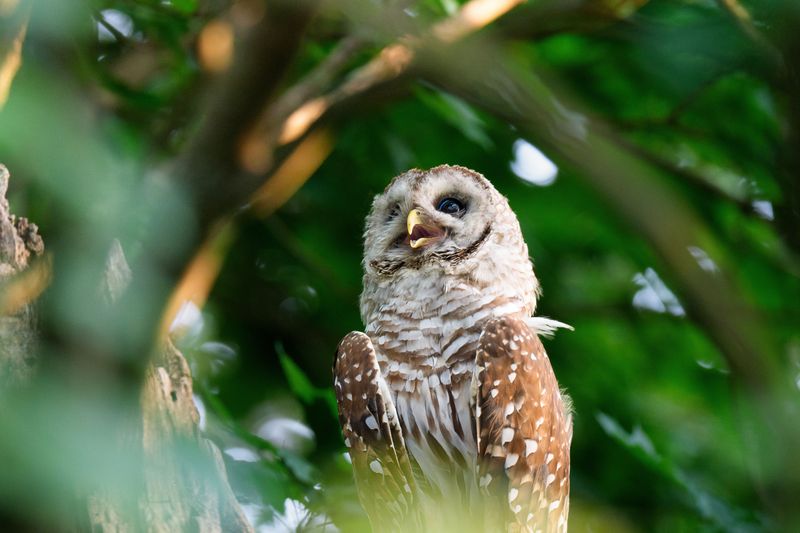
Image Credit: © David Kanigan / Pexels
Few sounds in the October woods are as startling as an owl scream slicing through a quiet night. Plenty of people assume something terrible is happening, but it is usually just ordinary owl conversation.
Beyond the famous hoot, these birds cackle, gurgle, whinny, and bark in a surprisingly wide range. Paired owls sometimes erupt into a wild caterwaul that sounds like a troop of monkeys partying overhead.
A series of sharp barks can signal agitation, often aimed at a rival owl, a hawk, or your dog. Give the area some space if you hear that tone, since the owl is clearly feeling crowded.
Young owls have their own sound, a raspy, whistling screech they use to beg their parents for food. By early fall, most youngsters are wrapping up those lessons, so begging calls become less common now.
My favorite trick is recording the noises on a phone and comparing them with free bird sound apps. The Merlin app from Cornell can often identify the caller within seconds, even in deep darkness.
Learning this vocabulary turns spooky nighttime noises into a fun puzzle you can solve from your deck. Your kids might even enjoy keeping a notebook of every strange owl sound they hear this autumn.
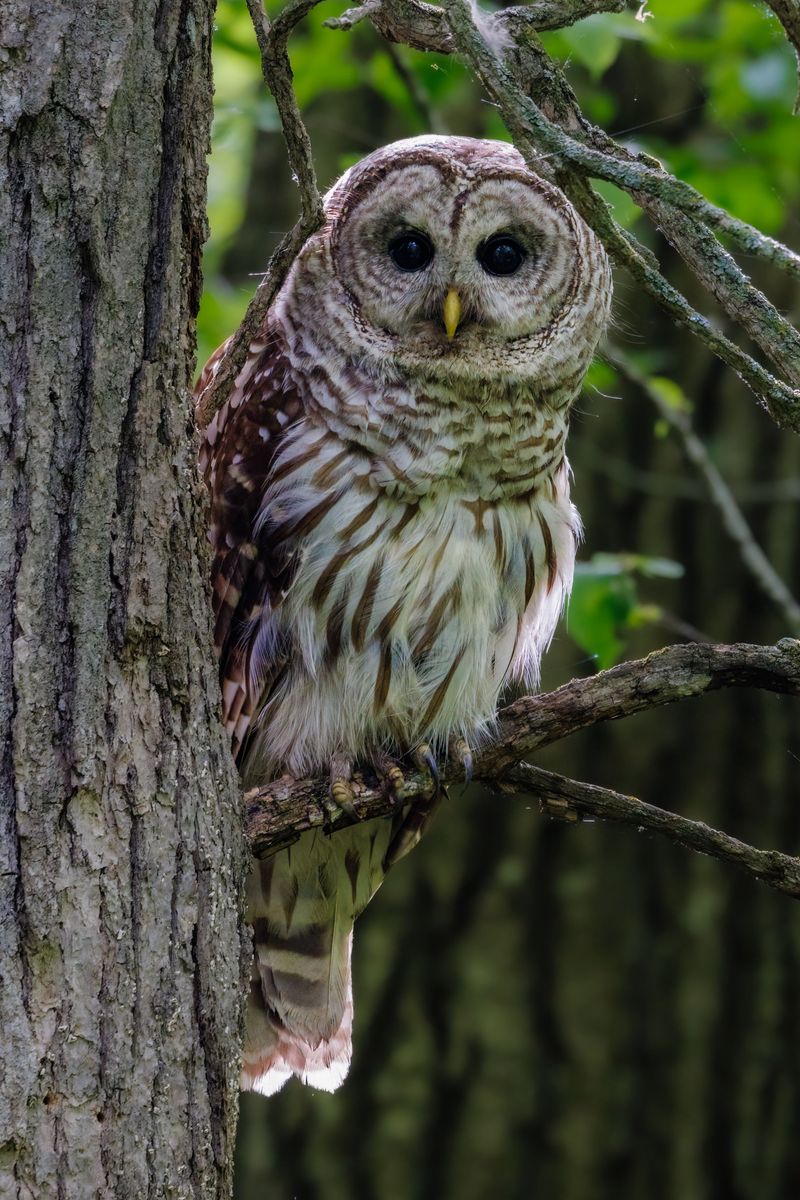
Image Credit: © Aaron J Hill / Pexels
Congratulations are in order, because an owl calling from your trees is a quiet compliment to your property. These birds favor mature hardwood forests, especially spots near creeks, ponds, swamps, or shady river bottoms.
Big old oaks, beeches, and sycamores offer the hollow cavities they need for roosting and future nesting. A single large tree with a broken top can become a prized home for many years.
Throughout Virginia, these owls have adapted surprisingly well to suburbs, parks, golf courses, and wooded neighborhoods. You do not need a wilderness acreage, just enough mature trees and a little nearby water.
Since they are semi-nocturnal, you might spot one perched in daylight, especially on cloudy fall afternoons. Look for a chunky gray-brown bird with dark eyes and streaky bars running down its pale chest.
Noisy crows or blue jays mobbing a tree often reveal where an owl is trying to nap. Follow the racket quietly, and you may catch a glimpse of those dark, soulful eyes staring back.
I can’t imagine a better sign that the trees around my home are healthy and worth protecting. Your shady corner is doing far more for local wildlife than you probably ever gave it credit for.
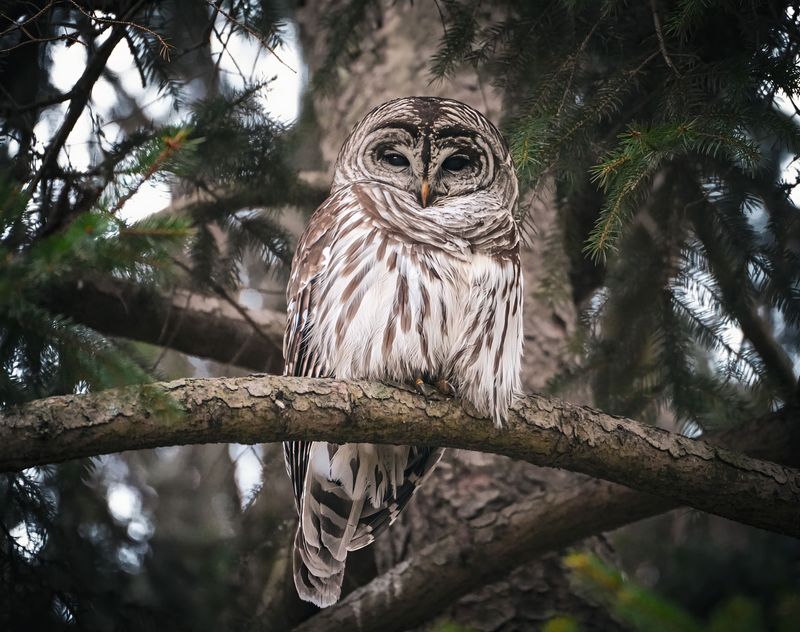
Image Credit: © Cara Denison / Pexels
Every hoot from the treetops comes from a hungry hunter scanning your lawn for its next snack. Mice, voles, and other small rodents top the menu, which makes these owls handy garden partners.
Their tastes are wonderfully flexible, ranging from squirrels and young rabbits to frogs, salamanders, and snakes. They also snatch crayfish and small fish from shallow water, so creekside yards are especially appealing.
Fun fact, these owls sometimes wade into streams like herons, grabbing crayfish with surprising patience and skill. Their hearing is so sharp that they can find a mouse rustling under fallen October leaves.
Fall is a feast season, since rodents are busy gathering seeds and moving toward sheds, garages, and basements. An owl working your yard each night can help reduce the number that sneak indoors this winter.
Gardeners in Virginia often notice fewer vole tunnels in beds once a resident owl settles nearby. Leaving a few open grassy patches gives the owl clear sight lines for swooping down on prey.
Keep small pets indoors after dark, since a hungry owl may struggle to tell a kitten from a rabbit. Attacks on pets are rare, but a little caution keeps everyone in your household safe and relaxed.
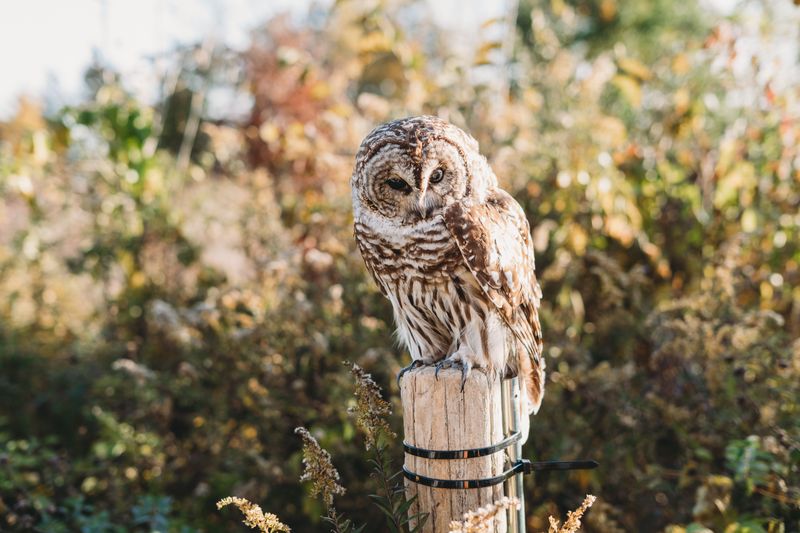
Image Credit: © Steven Van Elk / Pexels
Setting out rodent bait might feel like a quick fix, yet it can quietly harm the owls helping you. A poisoned mouse often wanders slowly in the open, making it an easy target for a hunting owl.
Second-generation anticoagulant baits are the biggest concern, because they linger in a rodent’s body for weeks. Owls that eat several tainted animals can build up enough toxin to become seriously ill or weak.
Wildlife rehab centers in Virginia treat poisoned owls every year, and many cases begin in ordinary backyards. The Wildlife Center of Virginia has spoken out often about this problem and its impact on raptors.
Snap traps placed inside sheds or garages offer a safer choice that keeps the risk away from wildlife. Sealing gaps around doors, vents, and foundations stops many mice before they ever reach your walls.
Early October is the perfect moment for this work, since rodents start hunting for warm winter shelter now. Store birdseed, pet food, and fallen garden produce in sealed bins to remove those easy midnight meals.
You need to share this tip with neighbors, because owls hunt across several properties every single night. One poison-free street can give a local owl pair a much safer place to raise future chicks.
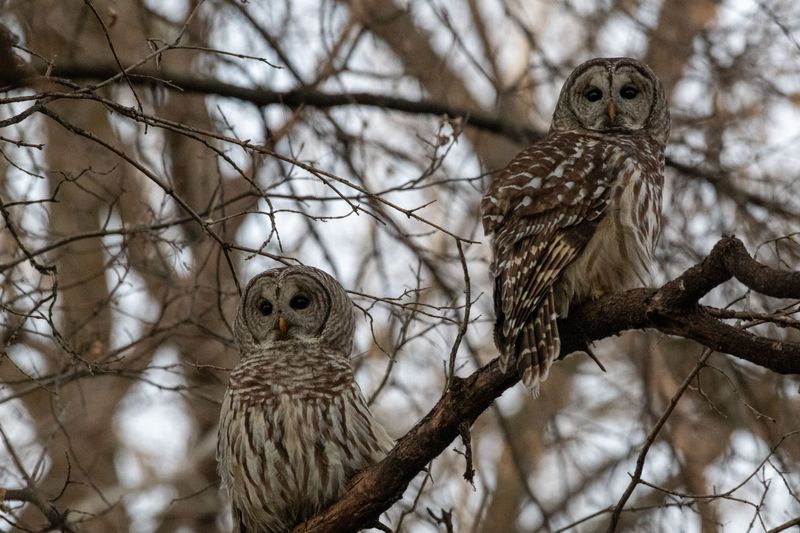
Image Credit: © Andrew Patrick Photo / Pexels
Owls are loyal homebodies, so a welcoming yard today could host the same pair for a decade or longer. Small choices you make this fall can shape whether those familiar hoots keep drifting through your windows.
Protect your oldest trees whenever possible, even if a few limbs look ragged or partly hollow. Those imperfect trunks often hold the cavities that nesting owls quietly search for in late winter.
Mature trees are scarce in newer subdivisions, so a large nest box can fill the gap nicely. Mount it fifteen to twenty feet high on a sturdy trunk before the winter breeding season arrives.
Leave some fallen leaves under shrubs this October, since they shelter the insects, frogs, and mice owls eat. A small pond, birdbath, or soggy rain garden adds water that draws even more prey nearby.
Dim harsh outdoor lights when you can, because softer nights make hunting easier for these patient birds. Avoid playing recorded owl calls too often, since it can stress the resident pair defending their turf.
You’re in for a treat each fall as the hooting returns, like a familiar song signaling cooler weather. Sharing your yard with these owls makes a Virginia evening feel a little wilder in the best way.
The post What It Means When a Barred Owl Is Calling in Your Virginia Yard appeared first on Positivebloom.
The caller is a big, brown-eyed hunter that lives across Virginia, from river bottoms to quiet suburban streets. It also cackles, gurgles, and screams, sometimes loud enough to make you spill your evening coffee.
Early October is prime time for this noise, since pairs renew their bonds and defend their home turf. I like how the calls drift through crisp fall air, carrying farther than they seem to on muggy nights.
Your backyard soundtrack is actually telling a story about love, food, and real estate in the trees. The truth is, that feathered neighbor is trying to say something from the dark branches above your roof!
Your Owl Is Claiming Its Territory Out Loud
Image Credit: © Tom Nebel / Pexels
Think of that famous hoot as a spoken property line, announced to every owl within earshot of your trees. The classic phrase sounds like who cooks for you, who cooks for you all, rising and falling.
Birders agree this call is mostly about ownership, telling rivals that this patch of woods is already taken. Owls that hear it often answer back, and a hooting contest can stretch on for several minutes.
The same call also works like a phone check between mates who roost apart during the long night. One partner hoots, the other replies, and suddenly you have a loud duet echoing over your fence.
Hearing it night after night usually means a pair has settled close by rather than just passing through. These birds often mate for life and may use the same territory for many years in a row.
Pay attention to timing, because calls near dusk and dawn tend to be the strongest territorial messages. Jot down when you hear them, and you may notice a pattern that matches the owls’ daily rounds.
Personally, I find it comforting to know a steady pair is guarding the woods beside my garden. Your yard has basically been chosen, and that says something good about the trees around you.
Early October Brings You A Louder Owl Season
Image Credit: © Chris F / Pexels
Autumn is courtship rehearsal season for these owls, and early October can sound like a backyard concert. Pairs start renewing their bonds now, long before the first eggs appear in a hollow tree during late winter.
Young owls born this year are also leaving home and searching for empty territory to call their own. Their arrival stirs up the older residents, who respond with extra hooting to defend their familiar boundaries.
Cooler air helps too, since sound travels nicely on still fall evenings when leaves start to thin. A hoot that once seemed faint can suddenly feel like it is coming from your porch railing.
Across Virginia, many listeners report the busiest calling between sunset and midnight during October and November. Some pairs keep chatting into the gray hours before sunrise, especially after a quiet, windless night.
Grab a warm mug, sit outside after dark, and listen for two voices trading calls back and forth. The female usually has a slightly higher pitch, which makes picking out each partner a fun game.
I believe fall is the best time for beginners to learn these sounds, since the owls rarely stay quiet. By winter, you will recognize your resident pair as easily as a familiar neighbor’s voice next door.
You Are Hearing Far More Than One Owl Song
Image Credit: © David Kanigan / Pexels
Few sounds in the October woods are as startling as an owl scream slicing through a quiet night. Plenty of people assume something terrible is happening, but it is usually just ordinary owl conversation.
Beyond the famous hoot, these birds cackle, gurgle, whinny, and bark in a surprisingly wide range. Paired owls sometimes erupt into a wild caterwaul that sounds like a troop of monkeys partying overhead.
A series of sharp barks can signal agitation, often aimed at a rival owl, a hawk, or your dog. Give the area some space if you hear that tone, since the owl is clearly feeling crowded.
Young owls have their own sound, a raspy, whistling screech they use to beg their parents for food. By early fall, most youngsters are wrapping up those lessons, so begging calls become less common now.
My favorite trick is recording the noises on a phone and comparing them with free bird sound apps. The Merlin app from Cornell can often identify the caller within seconds, even in deep darkness.
Learning this vocabulary turns spooky nighttime noises into a fun puzzle you can solve from your deck. Your kids might even enjoy keeping a notebook of every strange owl sound they hear this autumn.
Your Yard Offers The Habitat These Owls Crave
Image Credit: © Aaron J Hill / Pexels
Congratulations are in order, because an owl calling from your trees is a quiet compliment to your property. These birds favor mature hardwood forests, especially spots near creeks, ponds, swamps, or shady river bottoms.
Big old oaks, beeches, and sycamores offer the hollow cavities they need for roosting and future nesting. A single large tree with a broken top can become a prized home for many years.
Throughout Virginia, these owls have adapted surprisingly well to suburbs, parks, golf courses, and wooded neighborhoods. You do not need a wilderness acreage, just enough mature trees and a little nearby water.
Since they are semi-nocturnal, you might spot one perched in daylight, especially on cloudy fall afternoons. Look for a chunky gray-brown bird with dark eyes and streaky bars running down its pale chest.
Noisy crows or blue jays mobbing a tree often reveal where an owl is trying to nap. Follow the racket quietly, and you may catch a glimpse of those dark, soulful eyes staring back.
I can’t imagine a better sign that the trees around my home are healthy and worth protecting. Your shady corner is doing far more for local wildlife than you probably ever gave it credit for.
Your Mice Have A New Night Shift Neighbor
Image Credit: © Cara Denison / Pexels
Every hoot from the treetops comes from a hungry hunter scanning your lawn for its next snack. Mice, voles, and other small rodents top the menu, which makes these owls handy garden partners.
Their tastes are wonderfully flexible, ranging from squirrels and young rabbits to frogs, salamanders, and snakes. They also snatch crayfish and small fish from shallow water, so creekside yards are especially appealing.
Fun fact, these owls sometimes wade into streams like herons, grabbing crayfish with surprising patience and skill. Their hearing is so sharp that they can find a mouse rustling under fallen October leaves.
Fall is a feast season, since rodents are busy gathering seeds and moving toward sheds, garages, and basements. An owl working your yard each night can help reduce the number that sneak indoors this winter.
Gardeners in Virginia often notice fewer vole tunnels in beds once a resident owl settles nearby. Leaving a few open grassy patches gives the owl clear sight lines for swooping down on prey.
Keep small pets indoors after dark, since a hungry owl may struggle to tell a kitten from a rabbit. Attacks on pets are rare, but a little caution keeps everyone in your household safe and relaxed.
You Should Skip Rodent Poisons This Fall
Image Credit: © Steven Van Elk / Pexels
Setting out rodent bait might feel like a quick fix, yet it can quietly harm the owls helping you. A poisoned mouse often wanders slowly in the open, making it an easy target for a hunting owl.
Second-generation anticoagulant baits are the biggest concern, because they linger in a rodent’s body for weeks. Owls that eat several tainted animals can build up enough toxin to become seriously ill or weak.
Wildlife rehab centers in Virginia treat poisoned owls every year, and many cases begin in ordinary backyards. The Wildlife Center of Virginia has spoken out often about this problem and its impact on raptors.
Snap traps placed inside sheds or garages offer a safer choice that keeps the risk away from wildlife. Sealing gaps around doors, vents, and foundations stops many mice before they ever reach your walls.
Early October is the perfect moment for this work, since rodents start hunting for warm winter shelter now. Store birdseed, pet food, and fallen garden produce in sealed bins to remove those easy midnight meals.
You need to share this tip with neighbors, because owls hunt across several properties every single night. One poison-free street can give a local owl pair a much safer place to raise future chicks.
Your Yard Can Welcome Owls For Years To Come
Image Credit: © Andrew Patrick Photo / Pexels
Owls are loyal homebodies, so a welcoming yard today could host the same pair for a decade or longer. Small choices you make this fall can shape whether those familiar hoots keep drifting through your windows.
Protect your oldest trees whenever possible, even if a few limbs look ragged or partly hollow. Those imperfect trunks often hold the cavities that nesting owls quietly search for in late winter.
Mature trees are scarce in newer subdivisions, so a large nest box can fill the gap nicely. Mount it fifteen to twenty feet high on a sturdy trunk before the winter breeding season arrives.
Leave some fallen leaves under shrubs this October, since they shelter the insects, frogs, and mice owls eat. A small pond, birdbath, or soggy rain garden adds water that draws even more prey nearby.
Dim harsh outdoor lights when you can, because softer nights make hunting easier for these patient birds. Avoid playing recorded owl calls too often, since it can stress the resident pair defending their turf.
You’re in for a treat each fall as the hooting returns, like a familiar song signaling cooler weather. Sharing your yard with these owls makes a Virginia evening feel a little wilder in the best way.
The post What It Means When a Barred Owl Is Calling in Your Virginia Yard appeared first on Positivebloom.