W
Wilma Eldridge
Guest
- Thread Author
- #1
Golden October light settles over a California hillside, catching rows of soft, feathery plumes that sway with every breeze.
The scene looks almost painted, calm and graceful from a distance.
Up close, the story changes.
Those plumes carry something that rarely stays put, and fall marks the moment it begins to travel. Canyons, roadsides, washes, and parklands downwind can feel the effects for years afterward.
The source often sits closer than expected, sometimes beside a driveway or tucked into a sunny front bed.
A few hours of careful work this season can make a lasting difference, and the right replacement can keep the yard every bit as beautiful. Small choices at home ripple outward across whole hillsides.
© Patuxent Nursery
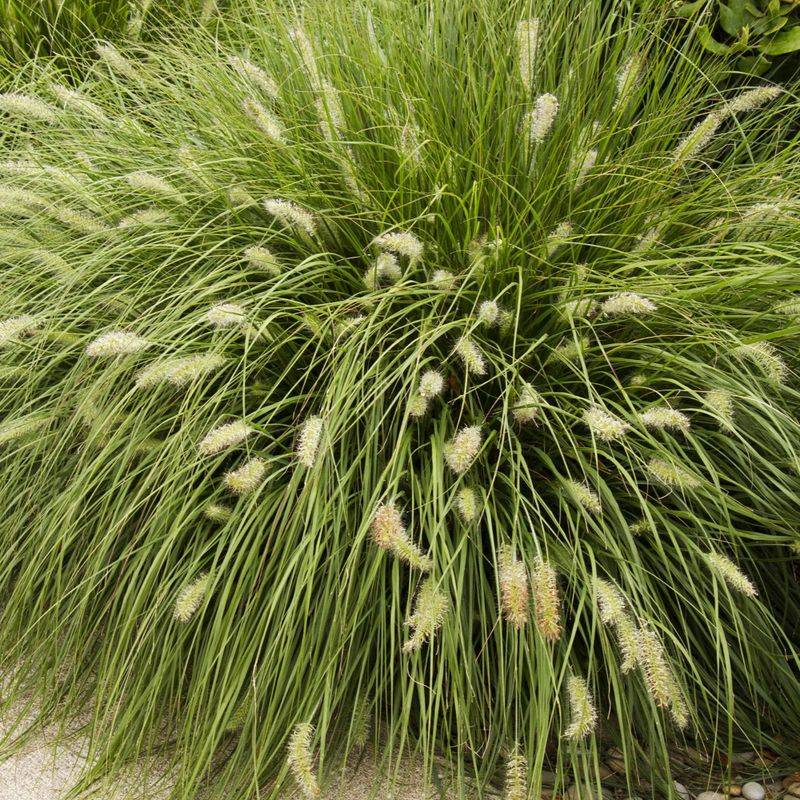
A tidy mound of thin green leaves topped with arching, bottlebrush plumes sits beside many California mailboxes and driveways.
That plant is green fountain grass, known to botanists as Pennisetum setaceum, now often listed as Cenchrus setaceus, and sometimes sold as crimson fountain grass.
Originally from Africa and the Middle East, it reached California as a garden ornamental. Homeowners loved how little water it needed and how quickly it filled space.
Those same strengths let it run wild once it hopped the garden fence.
The California Invasive Plant Council, or Cal-IPC, rates it Moderate, meaning it causes real harm to wild ecosystems. It grows mostly along the Southern California coast, with pushes into desert areas.
In the wild, it forms dense stands that crowd out wildflowers, shrubs, and native bunchgrasses. Animals that rely on those natives lose food and shelter too.
Fire makes the problem worse. Fountain grass adapts well to burning and recovers quickly afterward, while many natives rebound more slowly, so each fire can hand the invader more ground.
Dry clumps near homes also add flashy fuel. In fire-prone areas, removing them supports defensible space, especially within the first five feet covered by Zone 0.
PlantRight, a California program that works with nurseries, lists green fountain grass as a plant to avoid.
Removing even a single clump adds up across a neighborhood, especially near canyons and open space.
© lagunacanyonfoundation
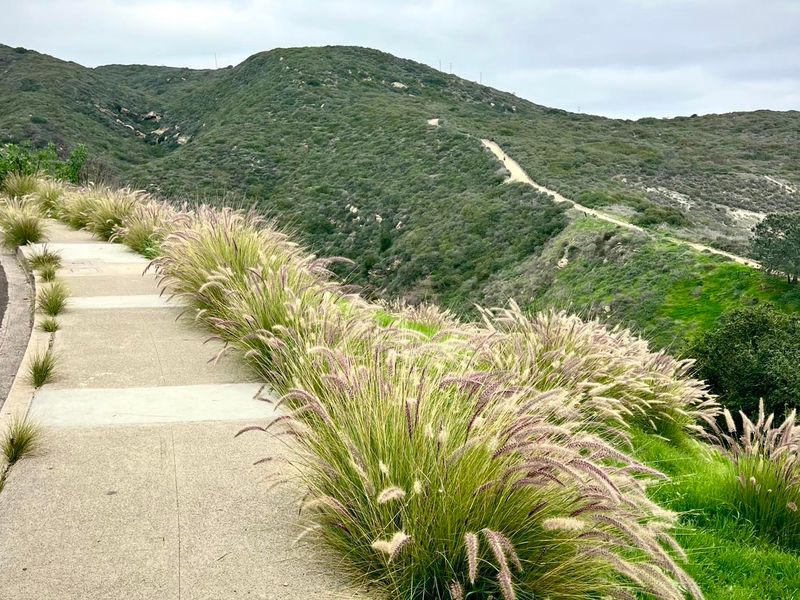
Fountain grass lining a freeway on-ramp miles from any house rarely got planted there on purpose. The seeds hitched a ride.
Cal-IPC explains that fountain grass spreads into natural areas through wind, water, and vehicles. Each path works a little differently, and together they make it a remarkable traveler.
Wind is the most obvious helper. Feathery bristles catch every gust, especially during fall Santa Ana winds, carrying seeds from a front yard into a canyon in one afternoon.
Water does its part during rainy months. Storm runoff washes seeds down gutters, ditches, and creek beds, where moist soil gives them a strong start.
Vehicles may be the sneakiest carriers. Seeds tuck into tire treads, bumpers, and undercarriages, and mowing equipment can move them along roads for miles.
That explains why roadsides often host long ribbons of fountain grass.
People and pets help too, since bristly seeds cling to hiking boots, pant legs, and dog fur.
Simple habits slow the spread. Brushing off clothes and checking dogs after walks near infested areas helps, and driving or parking in seeding patches is best avoided.
Cut plumes belong in the trash rather than green waste or compost piles, where seeds can survive and travel.
A yard can serve as the end of the road rather than a launching pad.
Neighbors who remove clumps at the same time multiply the benefit, since seeds from one untouched yard can quickly refill another.
© eBay
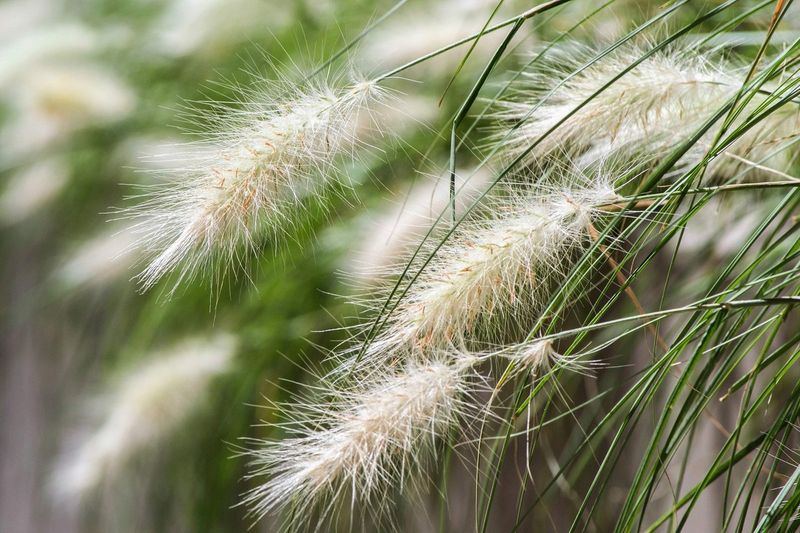
A hand brushed along a ripe plume releases tiny fluffy bits that float away on the air.
Each of those little tufts can carry a seed.
The plumes, called inflorescences, usually measure several inches long. They start pink or purplish in summer, then fade to soft tan as they mature.
By fall, many are packed with ripe seed and ready to let go.
A healthy clump can produce many plumes at once, each holding a large number of small seeds wrapped in feathery bristles. Together, one plant can release thousands per season.
Those bristles serve a purpose. They act like tiny parachutes and hooks at once, so seeds drift on light breezes or cling to socks, fur, and fabric.
Fountain grass also sets seed without a partner plant. Its flowers produce seed on their own, so a single lonely clump can start a new patch.
A whole field is hardly necessary for a problem to begin.
A simple backyard test shows readiness. In early fall, a plume shaken over a dark sheet of paper reveals a sprinkle of tiny grains when seeds are ripe.
That sprinkle signals time to act soon, before the next windy afternoon handles the planting.
Plumes that look tan and slightly fluffy at the tips usually hold the most mature seed.
Mid-October through November often marks peak seed drop in coastal Southern California, though timing shifts with weather and location.
© Gardener’s Path
Removing every clump might seem to finish the job. The soil underneath, however, may already hold a hidden stash.
PlantRight reports that fountain grass seeds remain viable in soil for at least seven years, meaning they can still sprout long after landing.
Scientists call this hidden supply a seed bank, and fountain grass keeps a very healthy account.
Seeds rest quietly through dry spells until a good rain or a patch of fresh bare soil wakes them.
New sprouts can appear long after the parent plant is gone.
Such long-lasting seeds explain why timing matters. Every plume that ripens and scatters adds more to the bank, so stopping even one season of seed drop reduces future surprises.
Fall offers the sweet spot. Plumes are ripening, yet many seeds haven’t fallen, so prompt action keeps that new batch out of the soil entirely.
Follow-up visits matter too. A marked spot where a clump came out, checked a few times each year, makes tracking easier.
Thin, grassy seedlings deserve a close look, especially after winter rains.
Young sprouts pull easily by hand when soil is damp. Steady effort gradually draws the seed bank down, much like paying off a debt in small installments.
Seedlings pulled before they flower, usually within their first few months, add nothing to the supply.
Over several years, consistent checks can shrink a once-stubborn patch to almost nothing.
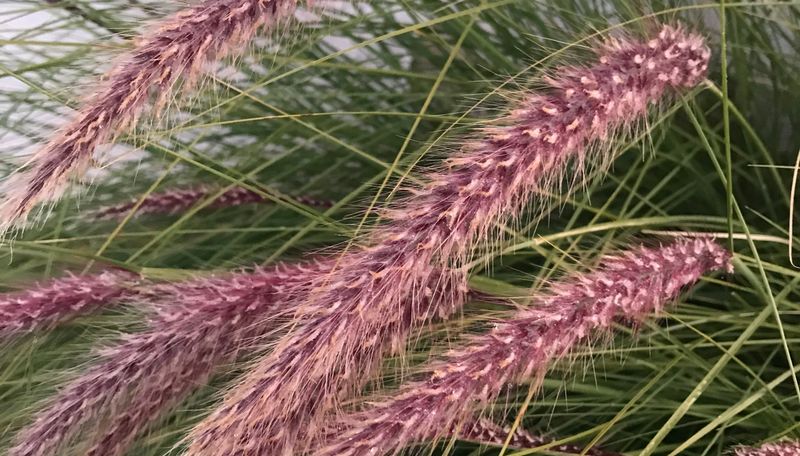
© Green Adelaide
One common mistake happens right at the start. A shovel yanks the whole plant, and thousands of seeds shake loose across the yard.
Handling the plumes first avoids that mess.
Gloves and long sleeves come first, since fountain grass leaves have rough edges and bristly seeds stick to skin and clothes. Sharp pruners and a sturdy trash bag complete the kit.
The bag works best held open right under a plume. Gently tipped inside, the plume gets snipped below, and slow movement keeps seeds falling into the bag.
One plume at a time may feel tedious, yet it pays off. A calm day works best, since wind scatters seeds the moment plumes are touched.
Early morning often brings the stillest air.
Once every plume is bagged, a tight knot seals it. The bag belongs in regular trash, since composting rarely breaks down these seeds reliably and green waste can carry them elsewhere.
Clothes, gloves, and shoes deserve a check afterward. Clinging seeds go into the bag too, and a lint roller works wonders on sleeves and pant legs.
Even when digging must wait, cutting seed heads still helps considerably. It buys time and stops this season’s seeds from joining the soil bank.
A quick trim now offers one of the biggest payoffs of the entire project.
Fall Santa Ana days, with their gusty winds, make poor choices for this step, so a calmer forecast is worth the wait.
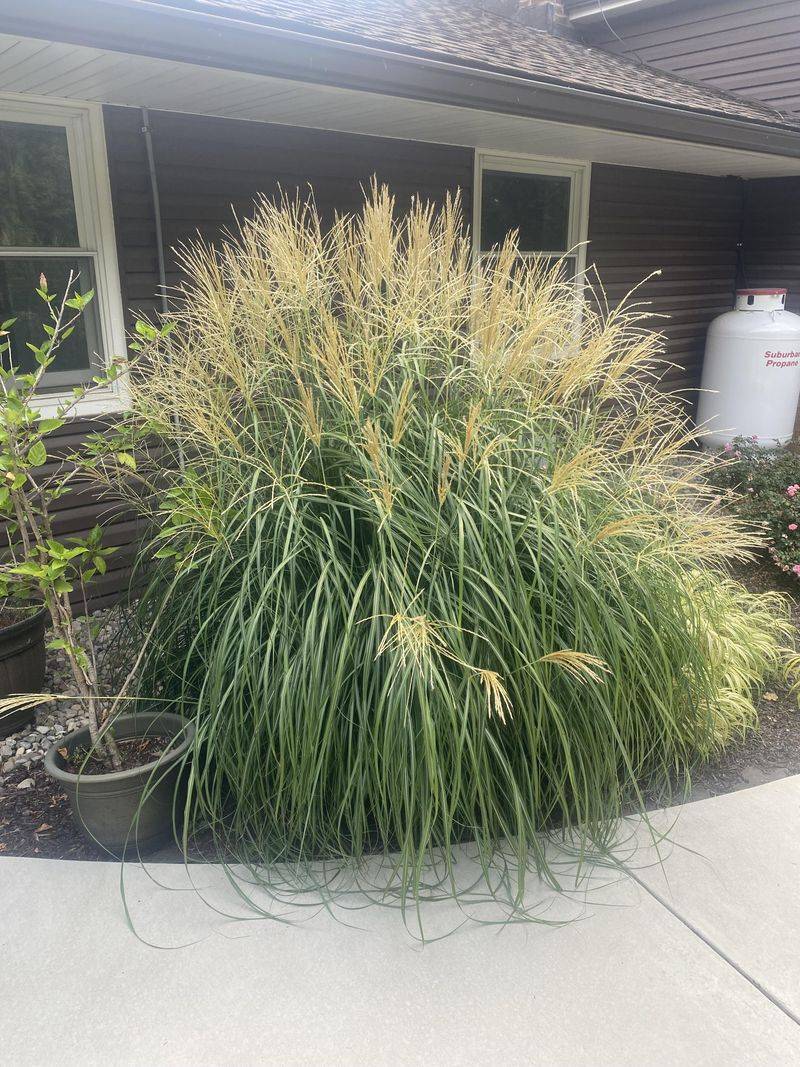
© Reddit
After the first good fall rain, the ground softens like a sponge, creating ideal conditions for digging. Moist soil lets roots slide out rather than snap off.
Fountain grass grows in dense clumps with a thick crown at the base. Any crown or roots left behind can regrow, so lifting the whole plant matters.
Without rain, a deep watering a day or two ahead loosens hard, dry soil and makes the job easier on the back.
The work starts with a circle dug a few inches outside the clump. The shovel goes straight down around the plant, then pries underneath to lever it up.
Big, old clumps can be stubborn. A mattock or pick chops through tough roots, or the clump can be split into smaller sections.
Small plants often pull by hand once soil is damp.
Gloves stay on throughout. Loose soil shaken back into the hole keeps it level, and the clump goes into a bag with any leftover leaves, all headed for the trash.
A final rake helps find missed pieces. A check after winter rains catches any regrowth early.
Bare soil invites new seedlings, so mulch helps beyond five feet of the house. Within Zone 0 in fire-prone areas, gravel or other noncombustible cover works better.
Native grasses make beautiful swaps. Deergrass, purple needlegrass, California fescue, and ‘Canyon Prince’ wild rye offer graceful texture without escaping into wild places.
© Plants Express
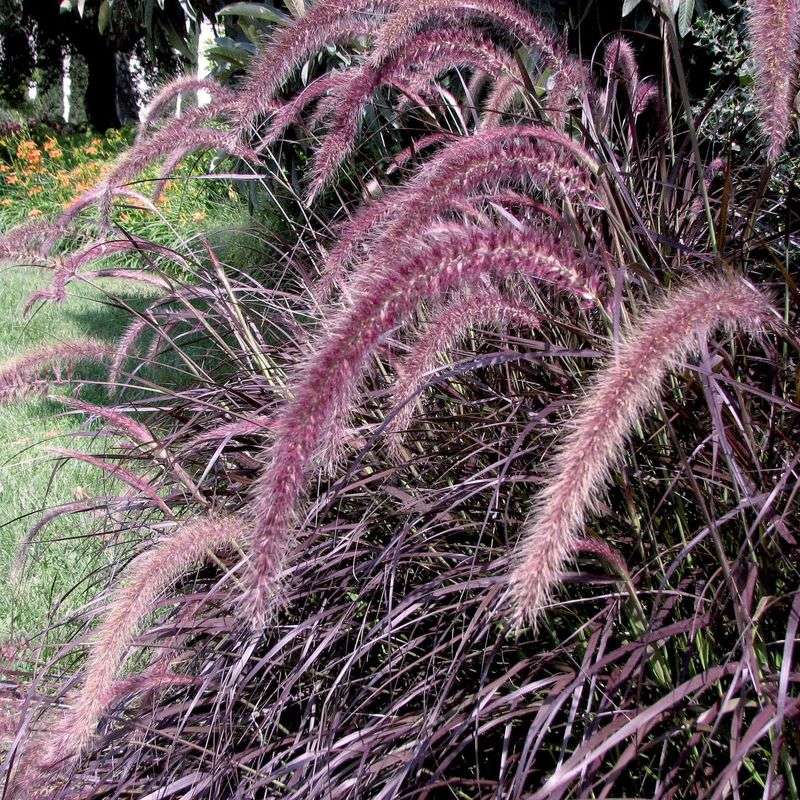
Fans of the dramatic burgundy grass in front beds can relax. Not every fountain grass causes trouble, and the red one generally gets a pass.
Purple fountain grass, sold as Pennisetum x advena ‘Rubrum’, is generally considered sterile. PlantRight and Cal-IPC note it doesn’t produce viable seed the way the green type does.
Since it rarely spreads by seed, it isn’t considered invasive.
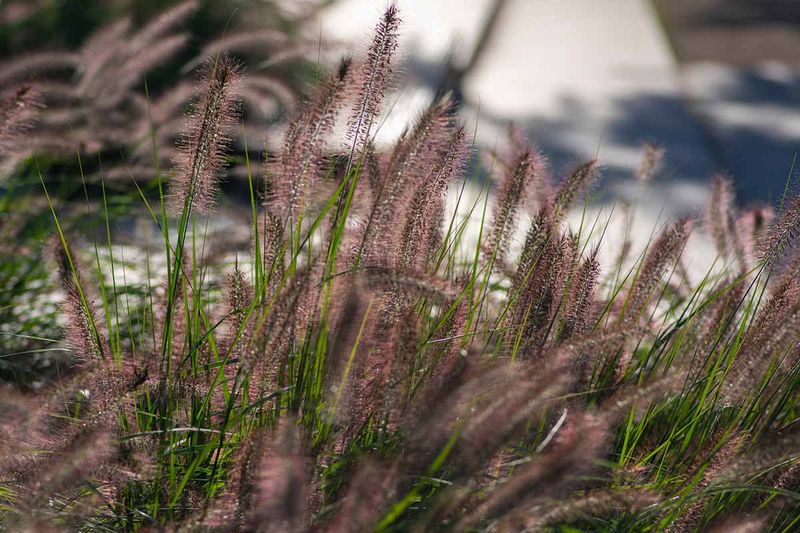
Telling them apart takes a quick look. The Rubrum type carries deep burgundy or purple leaves all season, reddish purple plumes, and a slightly larger habit.
Green fountain grass, as the name suggests, has green leaves. Its plumes may start pinkish or purplish but turn tan or straw colored with age.
Green leaves signal the invasive kind.
Labels can confuse matters. Some plants sell under vague names like fountain grass, so the full name Pennisetum x advena ‘Rubrum’ and burgundy leaves make the best shopping guides.
The scientific name has shifted over time, and some sources now use Cenchrus instead of Pennisetum. Different label, same plants.
Purple fountain grass often struggles with frost in colder spots. Many gardeners treat it as an annual in chilly areas, while it stays happy year round along much of the coast.
Like any ornamental grass, dry purple fountain grass still burns readily, so placement beyond five feet of the house makes sense in fire-prone areas.
Keeping the burgundy beauty while removing its green cousin protects nearby hillsides and still preserves plenty of garden drama.
The post The Invasive California Grass Worth Tackling In Fall Before It Spreads Even Farther appeared first on Positivebloom.
The scene looks almost painted, calm and graceful from a distance.
Up close, the story changes.
Those plumes carry something that rarely stays put, and fall marks the moment it begins to travel. Canyons, roadsides, washes, and parklands downwind can feel the effects for years afterward.
The source often sits closer than expected, sometimes beside a driveway or tucked into a sunny front bed.
A few hours of careful work this season can make a lasting difference, and the right replacement can keep the yard every bit as beautiful. Small choices at home ripple outward across whole hillsides.
Green Fountain Grass Is The Grass To Remove
© Patuxent Nursery
A tidy mound of thin green leaves topped with arching, bottlebrush plumes sits beside many California mailboxes and driveways.
That plant is green fountain grass, known to botanists as Pennisetum setaceum, now often listed as Cenchrus setaceus, and sometimes sold as crimson fountain grass.
Originally from Africa and the Middle East, it reached California as a garden ornamental. Homeowners loved how little water it needed and how quickly it filled space.
Those same strengths let it run wild once it hopped the garden fence.
The California Invasive Plant Council, or Cal-IPC, rates it Moderate, meaning it causes real harm to wild ecosystems. It grows mostly along the Southern California coast, with pushes into desert areas.
In the wild, it forms dense stands that crowd out wildflowers, shrubs, and native bunchgrasses. Animals that rely on those natives lose food and shelter too.
Fire makes the problem worse. Fountain grass adapts well to burning and recovers quickly afterward, while many natives rebound more slowly, so each fire can hand the invader more ground.
Dry clumps near homes also add flashy fuel. In fire-prone areas, removing them supports defensible space, especially within the first five feet covered by Zone 0.
PlantRight, a California program that works with nurseries, lists green fountain grass as a plant to avoid.
Removing even a single clump adds up across a neighborhood, especially near canyons and open space.
Wind Water And Vehicles Carry The Seed
© lagunacanyonfoundation
Fountain grass lining a freeway on-ramp miles from any house rarely got planted there on purpose. The seeds hitched a ride.
Cal-IPC explains that fountain grass spreads into natural areas through wind, water, and vehicles. Each path works a little differently, and together they make it a remarkable traveler.
Wind is the most obvious helper. Feathery bristles catch every gust, especially during fall Santa Ana winds, carrying seeds from a front yard into a canyon in one afternoon.
Water does its part during rainy months. Storm runoff washes seeds down gutters, ditches, and creek beds, where moist soil gives them a strong start.
Vehicles may be the sneakiest carriers. Seeds tuck into tire treads, bumpers, and undercarriages, and mowing equipment can move them along roads for miles.
That explains why roadsides often host long ribbons of fountain grass.
People and pets help too, since bristly seeds cling to hiking boots, pant legs, and dog fur.
Simple habits slow the spread. Brushing off clothes and checking dogs after walks near infested areas helps, and driving or parking in seeding patches is best avoided.
Cut plumes belong in the trash rather than green waste or compost piles, where seeds can survive and travel.
A yard can serve as the end of the road rather than a launching pad.
Neighbors who remove clumps at the same time multiply the benefit, since seeds from one untouched yard can quickly refill another.
Soft Seed Plumes Hide Thousands Of Seeds
© eBay
A hand brushed along a ripe plume releases tiny fluffy bits that float away on the air.
Each of those little tufts can carry a seed.
The plumes, called inflorescences, usually measure several inches long. They start pink or purplish in summer, then fade to soft tan as they mature.
By fall, many are packed with ripe seed and ready to let go.
A healthy clump can produce many plumes at once, each holding a large number of small seeds wrapped in feathery bristles. Together, one plant can release thousands per season.
Those bristles serve a purpose. They act like tiny parachutes and hooks at once, so seeds drift on light breezes or cling to socks, fur, and fabric.
Fountain grass also sets seed without a partner plant. Its flowers produce seed on their own, so a single lonely clump can start a new patch.
A whole field is hardly necessary for a problem to begin.
A simple backyard test shows readiness. In early fall, a plume shaken over a dark sheet of paper reveals a sprinkle of tiny grains when seeds are ripe.
That sprinkle signals time to act soon, before the next windy afternoon handles the planting.
Plumes that look tan and slightly fluffy at the tips usually hold the most mature seed.
Mid-October through November often marks peak seed drop in coastal Southern California, though timing shifts with weather and location.
Seeds Stay Viable For At Least Seven Years
© Gardener’s Path
Removing every clump might seem to finish the job. The soil underneath, however, may already hold a hidden stash.
PlantRight reports that fountain grass seeds remain viable in soil for at least seven years, meaning they can still sprout long after landing.
Scientists call this hidden supply a seed bank, and fountain grass keeps a very healthy account.
Seeds rest quietly through dry spells until a good rain or a patch of fresh bare soil wakes them.
New sprouts can appear long after the parent plant is gone.
Such long-lasting seeds explain why timing matters. Every plume that ripens and scatters adds more to the bank, so stopping even one season of seed drop reduces future surprises.
Fall offers the sweet spot. Plumes are ripening, yet many seeds haven’t fallen, so prompt action keeps that new batch out of the soil entirely.
Follow-up visits matter too. A marked spot where a clump came out, checked a few times each year, makes tracking easier.
Thin, grassy seedlings deserve a close look, especially after winter rains.
Young sprouts pull easily by hand when soil is damp. Steady effort gradually draws the seed bank down, much like paying off a debt in small installments.
Seedlings pulled before they flower, usually within their first few months, add nothing to the supply.
Over several years, consistent checks can shrink a once-stubborn patch to almost nothing.
Cut Seed Heads And Bag Them Before Removal
© Green Adelaide
One common mistake happens right at the start. A shovel yanks the whole plant, and thousands of seeds shake loose across the yard.
Handling the plumes first avoids that mess.
Gloves and long sleeves come first, since fountain grass leaves have rough edges and bristly seeds stick to skin and clothes. Sharp pruners and a sturdy trash bag complete the kit.
The bag works best held open right under a plume. Gently tipped inside, the plume gets snipped below, and slow movement keeps seeds falling into the bag.
One plume at a time may feel tedious, yet it pays off. A calm day works best, since wind scatters seeds the moment plumes are touched.
Early morning often brings the stillest air.
Once every plume is bagged, a tight knot seals it. The bag belongs in regular trash, since composting rarely breaks down these seeds reliably and green waste can carry them elsewhere.
Clothes, gloves, and shoes deserve a check afterward. Clinging seeds go into the bag too, and a lint roller works wonders on sleeves and pant legs.
Even when digging must wait, cutting seed heads still helps considerably. It buys time and stops this season’s seeds from joining the soil bank.
A quick trim now offers one of the biggest payoffs of the entire project.
Fall Santa Ana days, with their gusty winds, make poor choices for this step, so a calmer forecast is worth the wait.
Dig Out Whole Clumps When Soil Is Moist
After the first good fall rain, the ground softens like a sponge, creating ideal conditions for digging. Moist soil lets roots slide out rather than snap off.
Fountain grass grows in dense clumps with a thick crown at the base. Any crown or roots left behind can regrow, so lifting the whole plant matters.
Without rain, a deep watering a day or two ahead loosens hard, dry soil and makes the job easier on the back.
The work starts with a circle dug a few inches outside the clump. The shovel goes straight down around the plant, then pries underneath to lever it up.
Big, old clumps can be stubborn. A mattock or pick chops through tough roots, or the clump can be split into smaller sections.
Small plants often pull by hand once soil is damp.
Gloves stay on throughout. Loose soil shaken back into the hole keeps it level, and the clump goes into a bag with any leftover leaves, all headed for the trash.
A final rake helps find missed pieces. A check after winter rains catches any regrowth early.
Bare soil invites new seedlings, so mulch helps beyond five feet of the house. Within Zone 0 in fire-prone areas, gravel or other noncombustible cover works better.
Native grasses make beautiful swaps. Deergrass, purple needlegrass, California fescue, and ‘Canyon Prince’ wild rye offer graceful texture without escaping into wild places.
Purple Rubrum Types Are Sterile
© Plants Express
Fans of the dramatic burgundy grass in front beds can relax. Not every fountain grass causes trouble, and the red one generally gets a pass.
Purple fountain grass, sold as Pennisetum x advena ‘Rubrum’, is generally considered sterile. PlantRight and Cal-IPC note it doesn’t produce viable seed the way the green type does.
Since it rarely spreads by seed, it isn’t considered invasive.
Telling them apart takes a quick look. The Rubrum type carries deep burgundy or purple leaves all season, reddish purple plumes, and a slightly larger habit.
Green fountain grass, as the name suggests, has green leaves. Its plumes may start pinkish or purplish but turn tan or straw colored with age.
Green leaves signal the invasive kind.
Labels can confuse matters. Some plants sell under vague names like fountain grass, so the full name Pennisetum x advena ‘Rubrum’ and burgundy leaves make the best shopping guides.
The scientific name has shifted over time, and some sources now use Cenchrus instead of Pennisetum. Different label, same plants.
Purple fountain grass often struggles with frost in colder spots. Many gardeners treat it as an annual in chilly areas, while it stays happy year round along much of the coast.
Like any ornamental grass, dry purple fountain grass still burns readily, so placement beyond five feet of the house makes sense in fire-prone areas.
Keeping the burgundy beauty while removing its green cousin protects nearby hillsides and still preserves plenty of garden drama.
The post The Invasive California Grass Worth Tackling In Fall Before It Spreads Even Farther appeared first on Positivebloom.