L
Liam Prescott
Guest
- Thread Author
- #1
Missouri leads the nation in black walnut production, and most of the harvest comes from wild trees growing in yards and woods. Many of those nuts are gathered by ordinary families and sold to buyers.
A single black walnut tree can drop hundreds of nuts in one fall, and each nut sits inside a thick green hull. The hull stains hands brown for days, so old gardening gloves are a smart idea.
The kernel inside is rich and bold, with a flavor much stronger than the English walnuts sold in most stores. Bakers in the Midwest have used it in cakes, cookies, and ice cream for generations.
I love that the nuts you rake off the lawn can turn into something useful. You can fill a bucket this weekend, and who knows what you might bake with it?
© black_walnuts
Black walnuts lying in your Missouri yard are not just litter, because Missouri produces more of them than any other state. Most of the crop comes from wild trees rather than orchards.
The University of Missouri Center for Agroforestry has studied this harvest for years, and wild nuts bring in extra income for many rural households each fall.
Hammons Products runs a large buying program, with hulling stations across the state and neighboring states. The company buys nuts from many collectors across the Midwest every autumn.
Prices change from year to year, so a bucket of nuts will not make anyone rich. Still, a few hundred pounds can bring in a modest check, and the work costs almost nothing.
The nuts also have value in your own kitchen. The kernels are high in protein and healthy fats, and they add a strong, earthy taste to breads, brownies, and salads.
If you do not want to sell or eat them, collecting still helps. Nuts left on the grass can be slippery underfoot, and they can dent mower blades or twist an ankle.
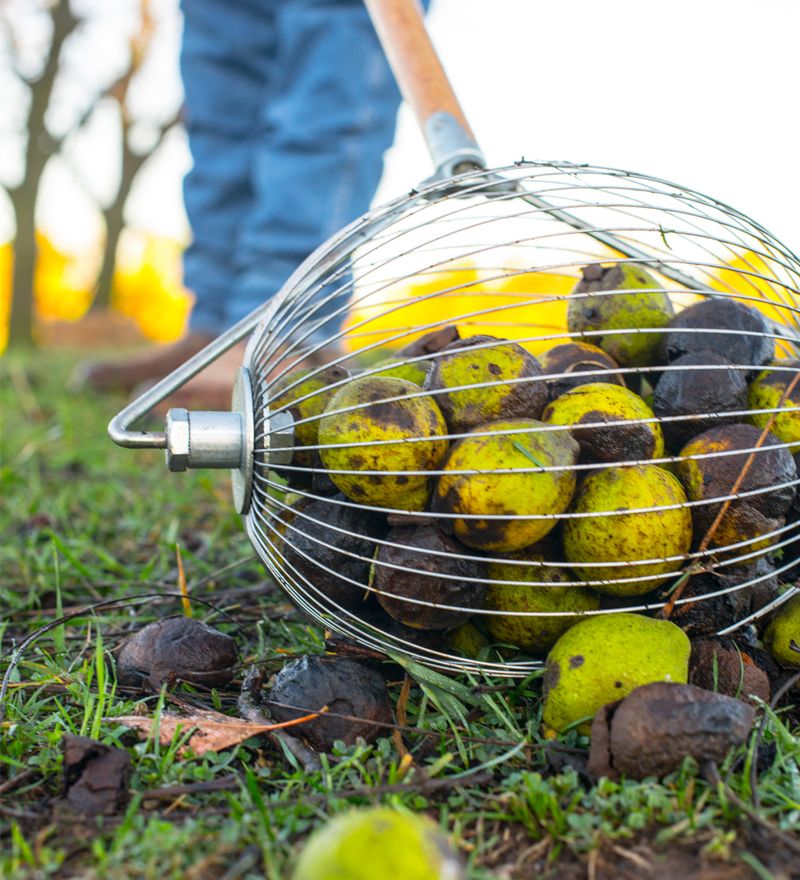
Gather them with a rolling nut picker if your back complains about bending. These wire cages cost little and can scoop up dozens of nuts in a single pass across the lawn.
Check with local buyers before you start picking. Many post their prices and rules each September, so you will know what to expect.
© Reddit
Timing matters when you gather walnuts, and the hull tells you when to start. Mature nuts fall on their own from late September through October in much of Missouri.
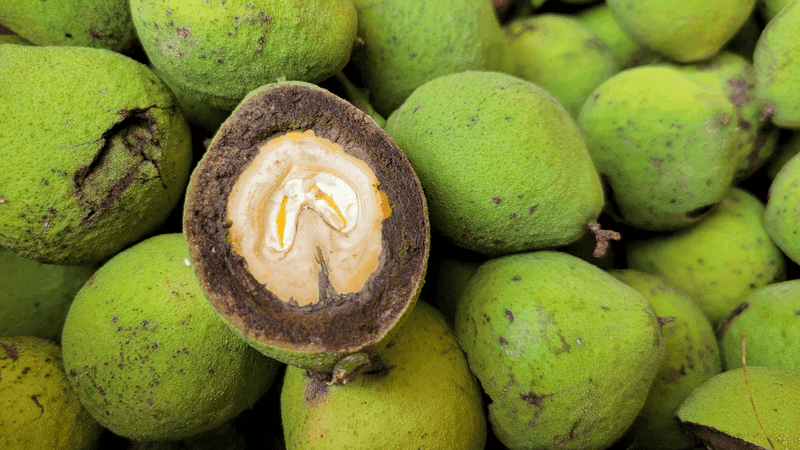
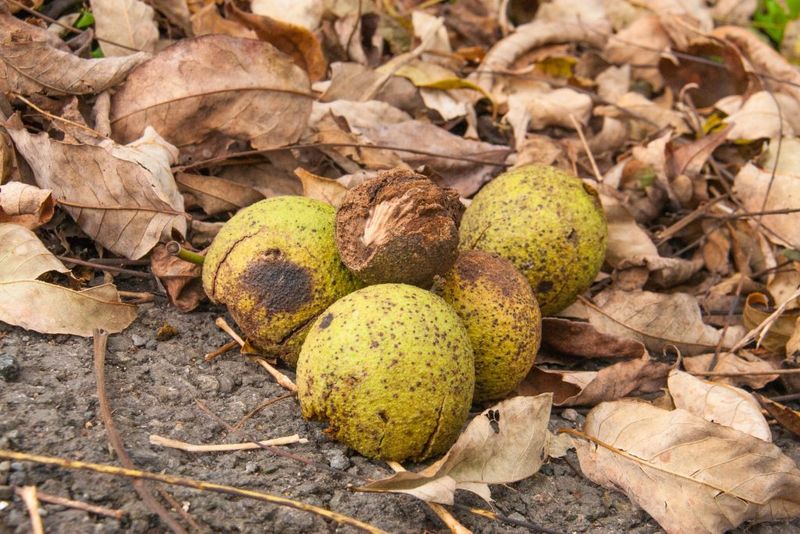
A ripe hull is yellow-green and gives slightly when you press it with a thumb. Nuts with black, mushy hulls have usually sat too long and may have spoiled kernels.
Pick up nuts every few days rather than waiting for the whole crop to fall. Fresh nuts store better, and you get to them before wildlife and rain do.
Extension specialists suggest hulling within a few days of gathering. Waiting longer lets the hull darken, and that can pass a bitter taste and dark stain to the kernel.
Wear rubber gloves while you work, since the juice stains skin and clothing for a long time. Old boots and long sleeves are a smart choice as well.
Float testing can help you sort a batch. Drop the nuts in a bucket of water, and the ones that sink usually hold fuller kernels than the floaters.
Skip any nuts with small holes in the hull, because insect larvae may be inside. A quick look as you pick saves a lot of time later at the cracking stage.
Carry a bucket or a mesh bag to the yard, and finish before heavy rain arrives.
© Backyard Forager
Removing the hull is the messiest job, but there are simple ways to do it. Many Missouri families use a corn sheller, a hand crank hulling tool, or just a hammer.
A popular trick is to spread nuts on a gravel driveway and drive a car slowly over them. The tires crack the hulls open, and the nuts can then be picked out by hand.
Always wear gloves, because the dark juice contains compounds that stain for days. Eye protection is also wise when you pound or crush hulls.
After hulling, rinse the nuts with a strong stream of water from a garden hose. Scrub them in a bucket until the water runs mostly clear and the shells look clean.
Do this soon after removing the hulls, because stains set into the shell the longer they sit. Dark shells can also point to kernels that taste harsh.
Discard any nuts that float after rinsing, since they are often hollow or shriveled. Keep the sinkers, and spread them in a single layer for drying.
Work outside and away from patios, siding, and concrete, which can pick up the dark stain. A tarp under your station makes cleanup much easier.
Hull scraps are best carried off in a wheelbarrow rather than tossed around the yard.
© Reddit
Curing is the quiet step that makes walnuts taste better. Fresh kernels are often bitter and rubbery, but drying for two to four weeks improves flavor and texture.
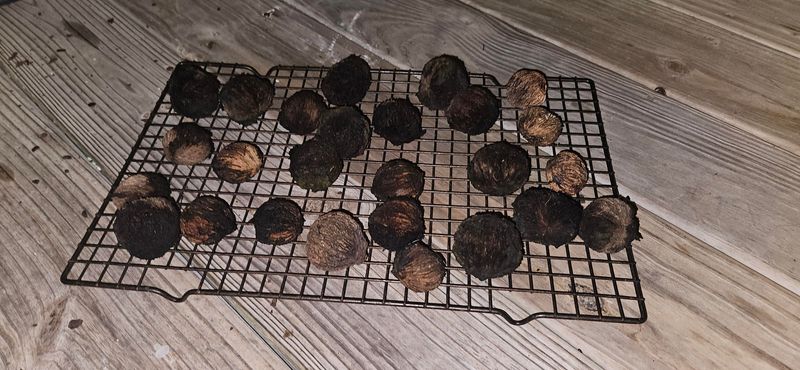
Spread cleaned nuts in a single layer on screens, racks, or in mesh bags. Place them somewhere dry with plenty of airflow, such as a garage, porch, or shed.
Keep them out of direct sun and away from damp ground. Moisture invites mold, and mold can spoil the whole batch quickly.
Turn the nuts every few days so air reaches all sides. Missouri autumn weather is usually mild, so a covered, breezy spot works well in October.
Nuts are ready when the kernels snap crisply instead of bending. Crack one open to test, and if it feels rubbery, give the batch more time.
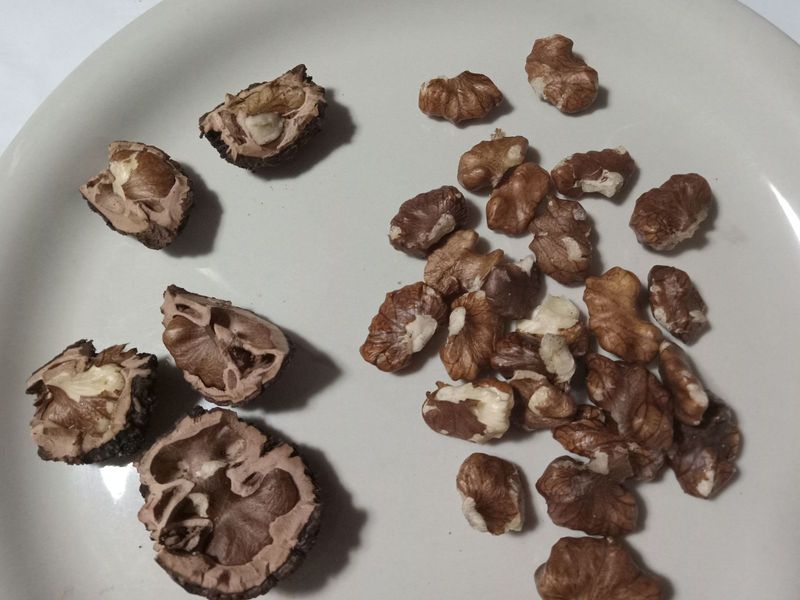
Cracking black walnuts takes real effort, because the shell is thick and hard. A vise, a heavy hammer, or a special walnut cracker makes the job easier.
Wear eye protection, since shell pieces can fly. Pick out the kernels with a small pick, and sort them from the shell bits.
Crack a few nuts at a time over a baking sheet, so the pieces stay in one place. Use a bright light to spot leftover shell bits among the kernels.
Store the kernels in airtight containers in the refrigerator or freezer, where they stay fresh for many months.
© Visit Springfield, MO
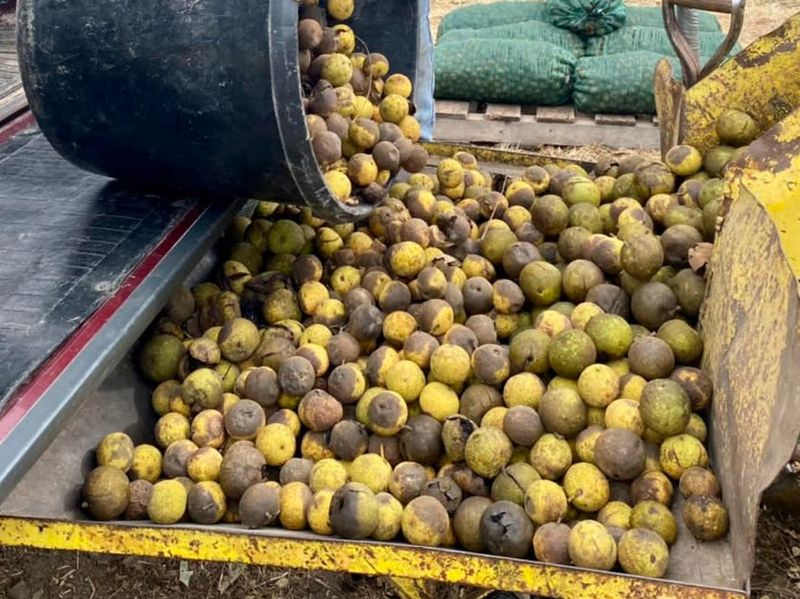
Missouri has a long-running network of buying stations where you can sell black walnuts. Many pop up each fall at feed stores, farm co-ops, and small businesses.
Hammons Products runs a large buying program, with dozens of hulling stations across the state and neighboring states. Their website lists locations, dates, and current prices.
Buyers usually pay by the pound, based on the weight of hulled nuts. Some stations take nuts with the hulls still on and remove them with big machines.
Prices for hulled nuts are generally higher than for unhulled nuts, because the work is already done. Call ahead to confirm what each station accepts.
Bring your nuts in bags or buckets, and expect a quick weigh-in. Stations often pay in cash or check, and rules can differ between locations.
Buying seasons are short, often running from early October into early December. Waiting too long can mean a closed station and a pile of nuts without a buyer.
The University of Missouri Extension also offers guidance on harvest and marketing. Their publications explain how to handle nuts so buyers will accept them.
Keep nuts out of plastic bags for long periods, since trapped moisture can spoil them before you reach the scale.
© Permies.com
Once the nuts are done, you still have a pile of hulls to deal with. Black walnut tissues contain juglone, a natural compound that can stunt certain garden plants.
Tomatoes, potatoes, and blueberries are among the plants known to struggle near walnut trees. Extension services across the Midwest share this warning.
Keep hulls out of vegetable beds and away from tomato cages. Also avoid using them as mulch around plants that are sensitive to juglone.
Composting is possible, but it needs patience. Many experts say to let walnut material break down for several months, with a separate pile away from the garden.
Juglone does fade as material decomposes, but the timing varies with heat and moisture. If you are unsure, bag the hulls for trash pickup or use a remote corner.
Leaves from walnut trees carry less juglone than roots and hulls, though they still deserve caution. Rake them to a spot away from sensitive beds.
Some plants handle walnut shade well, including many hostas, daylilies, and ferns. Consider these if you plan a fall planting near a walnut tree. Wash tools and wheelbarrows after hauling hulls, so juice does not spread to garden soil.
Walnut roots can spread well past the canopy, so juglone may reach farther than expected. Raised beds or containers with fresh soil, set far from the tree, give tomatoes a better chance.
The post The Black Walnuts Covering Your Missouri Yard Are Worth Collecting Before Winter appeared first on Positivebloom.
A single black walnut tree can drop hundreds of nuts in one fall, and each nut sits inside a thick green hull. The hull stains hands brown for days, so old gardening gloves are a smart idea.
The kernel inside is rich and bold, with a flavor much stronger than the English walnuts sold in most stores. Bakers in the Midwest have used it in cakes, cookies, and ice cream for generations.
I love that the nuts you rake off the lawn can turn into something useful. You can fill a bucket this weekend, and who knows what you might bake with it?
A Free Fall Harvest With Real Market Value
© black_walnuts
Black walnuts lying in your Missouri yard are not just litter, because Missouri produces more of them than any other state. Most of the crop comes from wild trees rather than orchards.
The University of Missouri Center for Agroforestry has studied this harvest for years, and wild nuts bring in extra income for many rural households each fall.
Hammons Products runs a large buying program, with hulling stations across the state and neighboring states. The company buys nuts from many collectors across the Midwest every autumn.
Prices change from year to year, so a bucket of nuts will not make anyone rich. Still, a few hundred pounds can bring in a modest check, and the work costs almost nothing.
The nuts also have value in your own kitchen. The kernels are high in protein and healthy fats, and they add a strong, earthy taste to breads, brownies, and salads.
If you do not want to sell or eat them, collecting still helps. Nuts left on the grass can be slippery underfoot, and they can dent mower blades or twist an ankle.
Gather them with a rolling nut picker if your back complains about bending. These wire cages cost little and can scoop up dozens of nuts in a single pass across the lawn.
Check with local buyers before you start picking. Many post their prices and rules each September, so you will know what to expect.
Green Hulls Mark The Best Window For Gathering
Timing matters when you gather walnuts, and the hull tells you when to start. Mature nuts fall on their own from late September through October in much of Missouri.
A ripe hull is yellow-green and gives slightly when you press it with a thumb. Nuts with black, mushy hulls have usually sat too long and may have spoiled kernels.
Pick up nuts every few days rather than waiting for the whole crop to fall. Fresh nuts store better, and you get to them before wildlife and rain do.
Extension specialists suggest hulling within a few days of gathering. Waiting longer lets the hull darken, and that can pass a bitter taste and dark stain to the kernel.
Wear rubber gloves while you work, since the juice stains skin and clothing for a long time. Old boots and long sleeves are a smart choice as well.
Float testing can help you sort a batch. Drop the nuts in a bucket of water, and the ones that sink usually hold fuller kernels than the floaters.
Skip any nuts with small holes in the hull, because insect larvae may be inside. A quick look as you pick saves a lot of time later at the cracking stage.
Carry a bucket or a mesh bag to the yard, and finish before heavy rain arrives.
Hull Removal Before The Kernels Darken
© Backyard Forager
Removing the hull is the messiest job, but there are simple ways to do it. Many Missouri families use a corn sheller, a hand crank hulling tool, or just a hammer.
A popular trick is to spread nuts on a gravel driveway and drive a car slowly over them. The tires crack the hulls open, and the nuts can then be picked out by hand.
Always wear gloves, because the dark juice contains compounds that stain for days. Eye protection is also wise when you pound or crush hulls.
After hulling, rinse the nuts with a strong stream of water from a garden hose. Scrub them in a bucket until the water runs mostly clear and the shells look clean.
Do this soon after removing the hulls, because stains set into the shell the longer they sit. Dark shells can also point to kernels that taste harsh.
Discard any nuts that float after rinsing, since they are often hollow or shriveled. Keep the sinkers, and spread them in a single layer for drying.
Work outside and away from patios, siding, and concrete, which can pick up the dark stain. A tarp under your station makes cleanup much easier.
Hull scraps are best carried off in a wheelbarrow rather than tossed around the yard.
A Few Weeks Of Curing Before Cracking
Curing is the quiet step that makes walnuts taste better. Fresh kernels are often bitter and rubbery, but drying for two to four weeks improves flavor and texture.
Spread cleaned nuts in a single layer on screens, racks, or in mesh bags. Place them somewhere dry with plenty of airflow, such as a garage, porch, or shed.
Keep them out of direct sun and away from damp ground. Moisture invites mold, and mold can spoil the whole batch quickly.
Turn the nuts every few days so air reaches all sides. Missouri autumn weather is usually mild, so a covered, breezy spot works well in October.
Nuts are ready when the kernels snap crisply instead of bending. Crack one open to test, and if it feels rubbery, give the batch more time.
Cracking black walnuts takes real effort, because the shell is thick and hard. A vise, a heavy hammer, or a special walnut cracker makes the job easier.
Wear eye protection, since shell pieces can fly. Pick out the kernels with a small pick, and sort them from the shell bits.
Crack a few nuts at a time over a baking sheet, so the pieces stay in one place. Use a bright light to spot leftover shell bits among the kernels.
Store the kernels in airtight containers in the refrigerator or freezer, where they stay fresh for many months.
Hulling Stations Across Missouri That Buy By The Pound
© Visit Springfield, MO
Missouri has a long-running network of buying stations where you can sell black walnuts. Many pop up each fall at feed stores, farm co-ops, and small businesses.
Hammons Products runs a large buying program, with dozens of hulling stations across the state and neighboring states. Their website lists locations, dates, and current prices.
Buyers usually pay by the pound, based on the weight of hulled nuts. Some stations take nuts with the hulls still on and remove them with big machines.
Prices for hulled nuts are generally higher than for unhulled nuts, because the work is already done. Call ahead to confirm what each station accepts.
Bring your nuts in bags or buckets, and expect a quick weigh-in. Stations often pay in cash or check, and rules can differ between locations.
Buying seasons are short, often running from early October into early December. Waiting too long can mean a closed station and a pile of nuts without a buyer.
The University of Missouri Extension also offers guidance on harvest and marketing. Their publications explain how to handle nuts so buyers will accept them.
Keep nuts out of plastic bags for long periods, since trapped moisture can spoil them before you reach the scale.
Leftover Hulls Belong Far From Tomato Beds
© Permies.com
Once the nuts are done, you still have a pile of hulls to deal with. Black walnut tissues contain juglone, a natural compound that can stunt certain garden plants.
Tomatoes, potatoes, and blueberries are among the plants known to struggle near walnut trees. Extension services across the Midwest share this warning.
Keep hulls out of vegetable beds and away from tomato cages. Also avoid using them as mulch around plants that are sensitive to juglone.
Composting is possible, but it needs patience. Many experts say to let walnut material break down for several months, with a separate pile away from the garden.
Juglone does fade as material decomposes, but the timing varies with heat and moisture. If you are unsure, bag the hulls for trash pickup or use a remote corner.
Leaves from walnut trees carry less juglone than roots and hulls, though they still deserve caution. Rake them to a spot away from sensitive beds.
Some plants handle walnut shade well, including many hostas, daylilies, and ferns. Consider these if you plan a fall planting near a walnut tree. Wash tools and wheelbarrows after hauling hulls, so juice does not spread to garden soil.
Walnut roots can spread well past the canopy, so juglone may reach farther than expected. Raised beds or containers with fresh soil, set far from the tree, give tomatoes a better chance.
The post The Black Walnuts Covering Your Missouri Yard Are Worth Collecting Before Winter appeared first on Positivebloom.