L
Liam Prescott
Guest
- Thread Author
- #1
Grass roots can keep growing in fall soil until it cools to about 40 degrees, long after mowing slows down. I love that fact, because it means your lawn is still busy underground while the blades barely move.
Cool-season grasses also spend autumn storing sugars in their roots and crowns, much like packing a winter lunch. Those stored sugars help the plants survive cold months and push out fresh leaves when spring finally arrives.
Researchers at several universities found that lawns given the right care in fall often green up earlier in spring. You may also see thicker turf by May, with fewer bare patches for weeds to claim as their own.
Right now your yard might look like it is slowing down, with mowing days spaced farther apart each week. So what if one of the most important lawn jobs of the year happens when the grass seems to rest?

© Expert Lawn Care Tips & Guides
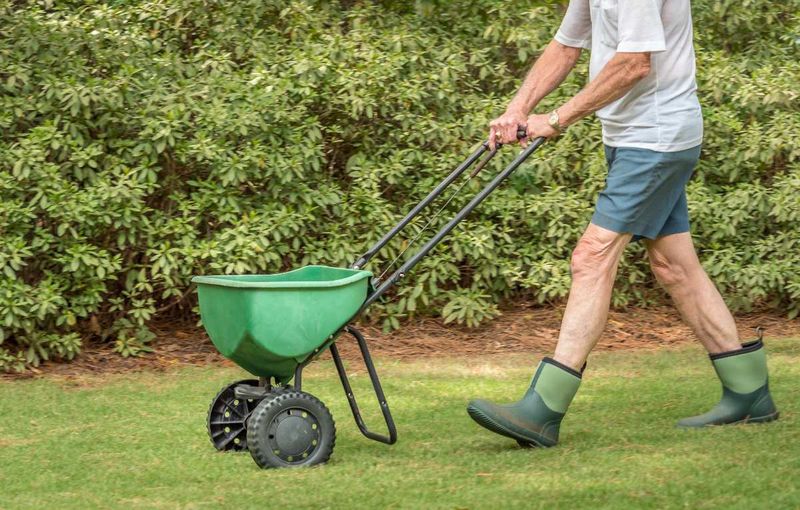
Ask many turf specialists about October, and the answer often points to one job, a fall fertilizer application. Extension services at Penn State, Purdue, and Cornell all describe fall as the most valuable time to feed cool-season lawns.
Cool-season grasses include Kentucky bluegrass, tall fescue, perennial ryegrass, and fine fescues, which cover most northern yards. These grasses grow best when air temperatures sit between about 60 and 75 degrees, which matches many October days.
Nitrogen applied now goes mostly toward roots, stored energy, and new shoots called tillers instead of tall leafy growth. More tillers mean a thicker lawn, and a thicker lawn leaves less open ground for crabgrass and dandelions.
I find this part encouraging, because you get a stronger spring lawn without fighting summer heat. The grass does most of the work quietly underground, while you simply give it the nutrients it needs.
Many extension guides suggest about one pound of nitrogen per 1,000 square feet for a typical fall feeding. The bag label shows the nitrogen percentage, so you can figure out how much product covers your yard.
Some experts also rank core aeration or overseeding as top fall chores, so the single step idea has limits. Still, feeding is a task that most cool-season lawns benefit from, whether they are thin or thick.
If you only have time for one lawn project this month, a careful fall feeding gives you strong returns. Your future self may notice the difference in spring, when the grass fills in more quickly.
© LawnStarter
Calendar dates can mislead you, because the right moment for fall feeding depends more on your grass. Most extension programs recommend feeding cool-season lawns from early September through October, while the blades are still green.
Some universities also describe a late fall feeding, made after the last mowing but before the ground freezes. Purdue turf researchers have long supported this approach, noting it often brings earlier green color the following spring.
Other experts urge more caution with late feedings, since nitrogen on cold soil can wash away before roots use it. Because experts still disagree, many homeowners choose a single feeding in early to mid October as a safe middle.
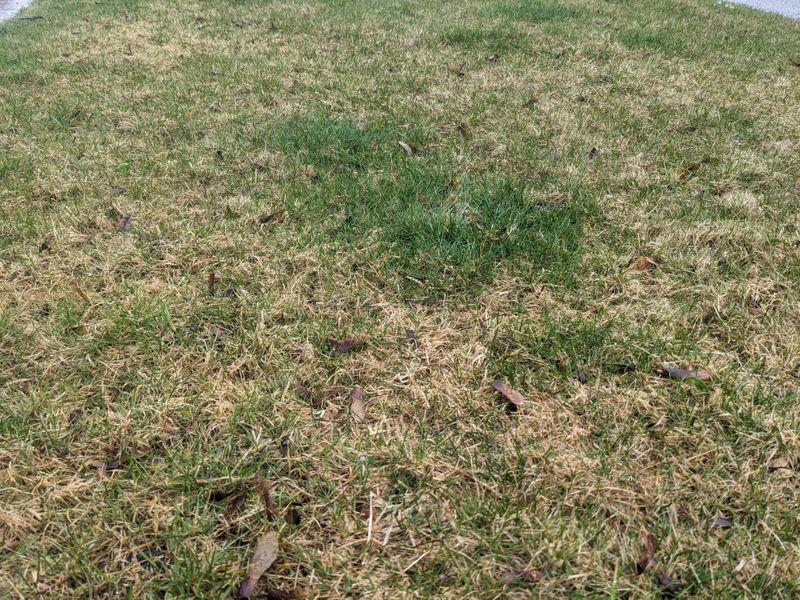
A simple rule helps here, so feed while the grass still needs mowing and looks green across the yard. Once the lawn turns brown or the soil freezes solid, roots can no longer take up much of the nutrients.
Watch the weather forecast too, since heavy rain right after spreading can carry granules off the lawn surface. A light rain or about a quarter inch of irrigation is usually enough to move fertilizer into the soil.
Location matters as well, because a lawn in Minnesota cools weeks before a lawn in Kentucky or Virginia. Your local extension office usually posts fall lawn calendars that match the typical frost dates in your county.
I like to mark my feeding day on a calendar, so the job does not slip past the right window. A phone reminder works just as well during busy school weeks, when yard chores slip easily.
© Reddit
Southern lawns tell a very different story, and fall nitrogen can actually work against them in many cases. Warm-season grasses like Bermudagrass, zoysiagrass, St. Augustinegrass, and centipedegrass slow down and turn tan as nights cool.
Feeding them heavy nitrogen in October pushes soft new growth right when they should be preparing for dormancy. Extension specialists in Georgia, Texas, and Florida warn that this tender growth is more likely to suffer winter injury.
Late nitrogen can also encourage diseases such as large patch, which often shows up in zoysiagrass and St. Augustinegrass. The disease forms brown circular patches that may spread during cool, wet weather in fall and early spring.
So for these lawns, the key October step is mostly about holding back rather than adding more food. Many southern extension guides suggest making the last nitrogen application about six weeks before your average first frost.
Potassium is a different matter, and some guides allow it in fall if a soil test shows low levels. Potassium supports cold tolerance and water use, but extra amounts beyond what the soil needs give little benefit.
Homeowners in the transition zone face the trickiest choice, since both grass groups grow in places like Tennessee. You need to know your grass type first, because the right fall plan depends on that single answer.
If you are unsure about your grass type, a local extension office can identify it from a small sample. Bring a few healthy blades with roots attached, sealed in a plastic bag, for the clearest possible answer.
© Clemson HGIC – Clemson University
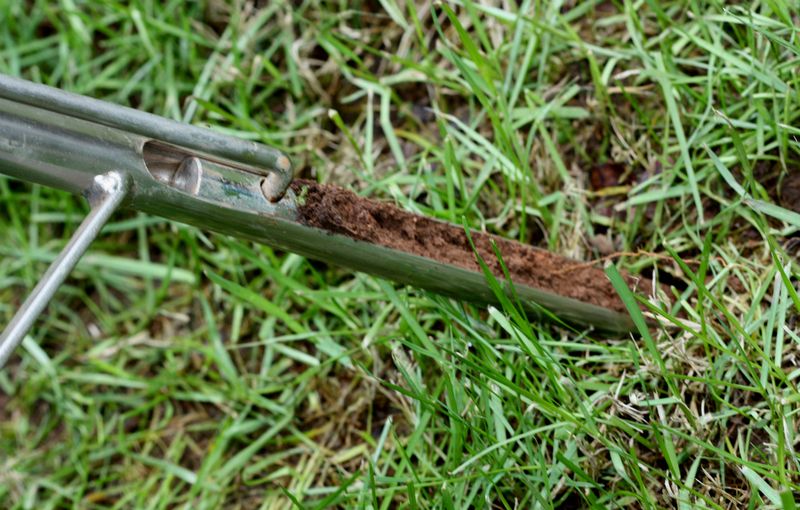
Guessing at fertilizer is a bit like cooking without tasting, and a soil test fixes that problem cheaply. Many state university labs run basic soil tests for roughly 10 to 30 dollars, depending on the state.
Fall is a convenient time to test, because labs are usually less busy than they are each spring. Results often come back within one or two weeks, which still leaves time to adjust your October plans.
To collect a sample, take small cores about three to four inches deep from ten or more spots. Mix the cores in a clean plastic bucket, then send about two cups of soil to the lab.
The report shows soil pH, phosphorus, and potassium levels, along with suggestions written for your specific grass type. Most lawn grasses grow well with a soil pH between about 6.0 and 7.0, according to many extension sources.
If the pH runs low, the lab may suggest lime, which often works slowly over several months. Fall is a fine season for spreading lime, since winter freezing and thawing helps move it into the soil.
Many lawns already have plenty of phosphorus, which is one reason several states limit phosphorus fertilizer use. Minnesota, Michigan, and other states have rules that restrict phosphorus on established lawns unless a test shows need.
I believe a soil test is one of the smartest few dollars a lawn owner can spend in fall. Most labs suggest testing every three to four years, so one sample covers several seasons of planning.
© Reddit
Fertilizer gets most of the attention, yet your mower quietly shapes how well that fall feeding pays off. Keep mowing cool-season grass as long as it grows, which in many northern areas runs into November.
Most extension guides suggest a height of about three inches for tall fescue and Kentucky bluegrass lawns. Some recommend lowering the deck slightly for the final cut, to around two and a half inches.
A slightly shorter lawn may reduce matting under snow, which can lead to a fungal problem called snow mold. Cutting too short stresses the plants, though, so avoid scalping the turf right before winter arrives.
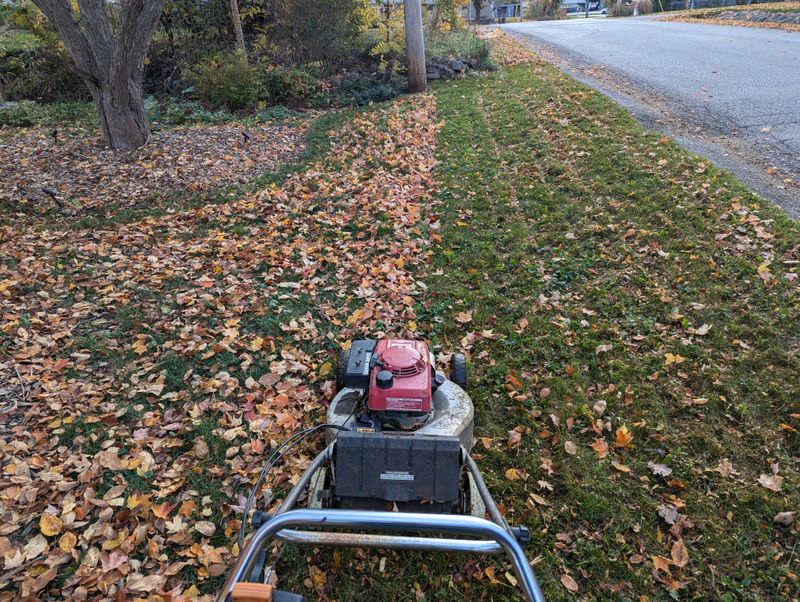
Fallen leaves are another job for the mower, and many universities now encourage mulching them right into the lawn. Michigan State research found that shredded maple leaves did not harm turf and may even reduce dandelions.
The trick is chopping leaves small enough that you can still see grass blades poking through the bits. Thick leaf piles left for weeks can block sunlight and smother grass, especially right after a fresh feeding.
Sharp blades matter more than people expect, because dull ones tear grass tips and leave ragged brown edges. Torn tips lose more water and heal slower, which adds stress just as the lawn prepares for cold.
You can sharpen blades yourself or pay a small engine shop, which is usually less busy in fall than spring. Either way, a clean cut helps your fed lawn hold onto every bit of energy it stores.
© UNL Water – University of Nebraska–Lincoln
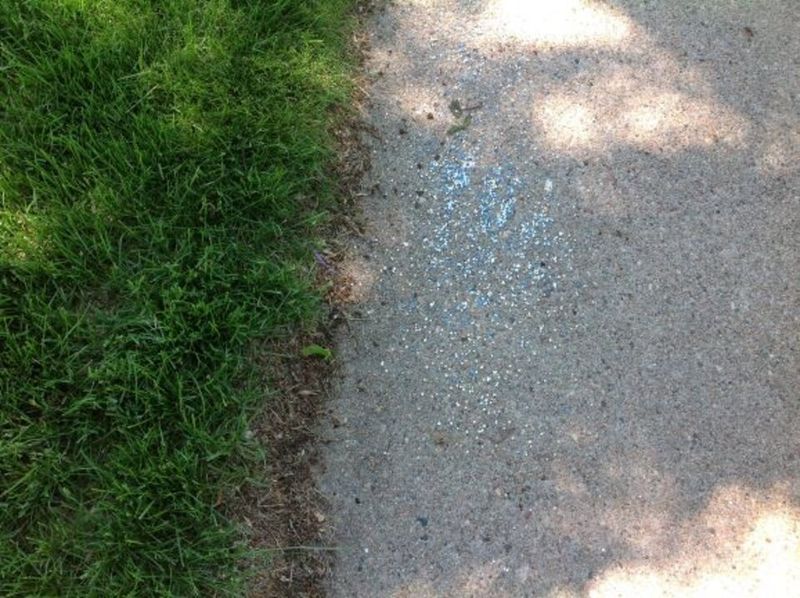
Fertilizer granules that land on your driveway can easily wash into the nearest storm drain. Most storm drains flow straight to local streams and lakes without treatment, according to the EPA.
Extra nitrogen and phosphorus in water can feed algae blooms that lower oxygen levels for fish and other life. That is one big reason careful fall feeding matters as much as the feeding itself does for your lawn.
After spreading, sweep or blow stray granules from sidewalks and driveways back onto the grass where they belong. Using a spreader with an edge guard helps keep product off hard surfaces in the first place.
Slow-release nitrogen products give out nutrients over several weeks, which lowers the risk of runoff and leaching. Look for words like slow-release or water-insoluble nitrogen on the bag label when you shop this fall.
Leave a buffer strip of unfertilized grass about ten feet wide along ponds, creeks, and lake shores. Several state guides recommend this simple habit, since grass near water can absorb runoff before it reaches the shore.
Store leftover fertilizer in a dry, sealed container off the garage floor, so it stays useful next fall. Moist granules clump together and spread unevenly, which can leave striped green patterns across the lawn in spring.
I like knowing that a careful October routine helps both my grass and the creek down the road. A thick spring lawn and clean local water can come from the same few thoughtful steps this month.
The post October Lawn Care Comes Down To One Step That Shapes Your Grass Next Year appeared first on Positivebloom.
Cool-season grasses also spend autumn storing sugars in their roots and crowns, much like packing a winter lunch. Those stored sugars help the plants survive cold months and push out fresh leaves when spring finally arrives.
Researchers at several universities found that lawns given the right care in fall often green up earlier in spring. You may also see thicker turf by May, with fewer bare patches for weeds to claim as their own.
Right now your yard might look like it is slowing down, with mowing days spaced farther apart each week. So what if one of the most important lawn jobs of the year happens when the grass seems to rest?
Your Lawn Wants One Last Feeding Before Winter
© Expert Lawn Care Tips & Guides
Ask many turf specialists about October, and the answer often points to one job, a fall fertilizer application. Extension services at Penn State, Purdue, and Cornell all describe fall as the most valuable time to feed cool-season lawns.
Cool-season grasses include Kentucky bluegrass, tall fescue, perennial ryegrass, and fine fescues, which cover most northern yards. These grasses grow best when air temperatures sit between about 60 and 75 degrees, which matches many October days.
Nitrogen applied now goes mostly toward roots, stored energy, and new shoots called tillers instead of tall leafy growth. More tillers mean a thicker lawn, and a thicker lawn leaves less open ground for crabgrass and dandelions.
I find this part encouraging, because you get a stronger spring lawn without fighting summer heat. The grass does most of the work quietly underground, while you simply give it the nutrients it needs.
Many extension guides suggest about one pound of nitrogen per 1,000 square feet for a typical fall feeding. The bag label shows the nitrogen percentage, so you can figure out how much product covers your yard.
Some experts also rank core aeration or overseeding as top fall chores, so the single step idea has limits. Still, feeding is a task that most cool-season lawns benefit from, whether they are thin or thick.
If you only have time for one lawn project this month, a careful fall feeding gives you strong returns. Your future self may notice the difference in spring, when the grass fills in more quickly.
Timing Matters More Than The Bag You Buy
© LawnStarter
Calendar dates can mislead you, because the right moment for fall feeding depends more on your grass. Most extension programs recommend feeding cool-season lawns from early September through October, while the blades are still green.
Some universities also describe a late fall feeding, made after the last mowing but before the ground freezes. Purdue turf researchers have long supported this approach, noting it often brings earlier green color the following spring.
Other experts urge more caution with late feedings, since nitrogen on cold soil can wash away before roots use it. Because experts still disagree, many homeowners choose a single feeding in early to mid October as a safe middle.
A simple rule helps here, so feed while the grass still needs mowing and looks green across the yard. Once the lawn turns brown or the soil freezes solid, roots can no longer take up much of the nutrients.
Watch the weather forecast too, since heavy rain right after spreading can carry granules off the lawn surface. A light rain or about a quarter inch of irrigation is usually enough to move fertilizer into the soil.
Location matters as well, because a lawn in Minnesota cools weeks before a lawn in Kentucky or Virginia. Your local extension office usually posts fall lawn calendars that match the typical frost dates in your county.
I like to mark my feeding day on a calendar, so the job does not slip past the right window. A phone reminder works just as well during busy school weeks, when yard chores slip easily.
Warm-Season Grass Plays By Different Rules
Southern lawns tell a very different story, and fall nitrogen can actually work against them in many cases. Warm-season grasses like Bermudagrass, zoysiagrass, St. Augustinegrass, and centipedegrass slow down and turn tan as nights cool.
Feeding them heavy nitrogen in October pushes soft new growth right when they should be preparing for dormancy. Extension specialists in Georgia, Texas, and Florida warn that this tender growth is more likely to suffer winter injury.
Late nitrogen can also encourage diseases such as large patch, which often shows up in zoysiagrass and St. Augustinegrass. The disease forms brown circular patches that may spread during cool, wet weather in fall and early spring.
So for these lawns, the key October step is mostly about holding back rather than adding more food. Many southern extension guides suggest making the last nitrogen application about six weeks before your average first frost.
Potassium is a different matter, and some guides allow it in fall if a soil test shows low levels. Potassium supports cold tolerance and water use, but extra amounts beyond what the soil needs give little benefit.
Homeowners in the transition zone face the trickiest choice, since both grass groups grow in places like Tennessee. You need to know your grass type first, because the right fall plan depends on that single answer.
If you are unsure about your grass type, a local extension office can identify it from a small sample. Bring a few healthy blades with roots attached, sealed in a plastic bag, for the clearest possible answer.
A Soil Test Takes The Guesswork Out
© Clemson HGIC – Clemson University
Guessing at fertilizer is a bit like cooking without tasting, and a soil test fixes that problem cheaply. Many state university labs run basic soil tests for roughly 10 to 30 dollars, depending on the state.
Fall is a convenient time to test, because labs are usually less busy than they are each spring. Results often come back within one or two weeks, which still leaves time to adjust your October plans.
To collect a sample, take small cores about three to four inches deep from ten or more spots. Mix the cores in a clean plastic bucket, then send about two cups of soil to the lab.
The report shows soil pH, phosphorus, and potassium levels, along with suggestions written for your specific grass type. Most lawn grasses grow well with a soil pH between about 6.0 and 7.0, according to many extension sources.
If the pH runs low, the lab may suggest lime, which often works slowly over several months. Fall is a fine season for spreading lime, since winter freezing and thawing helps move it into the soil.
Many lawns already have plenty of phosphorus, which is one reason several states limit phosphorus fertilizer use. Minnesota, Michigan, and other states have rules that restrict phosphorus on established lawns unless a test shows need.
I believe a soil test is one of the smartest few dollars a lawn owner can spend in fall. Most labs suggest testing every three to four years, so one sample covers several seasons of planning.
Your Mower Still Has A Role This Month
Fertilizer gets most of the attention, yet your mower quietly shapes how well that fall feeding pays off. Keep mowing cool-season grass as long as it grows, which in many northern areas runs into November.
Most extension guides suggest a height of about three inches for tall fescue and Kentucky bluegrass lawns. Some recommend lowering the deck slightly for the final cut, to around two and a half inches.
A slightly shorter lawn may reduce matting under snow, which can lead to a fungal problem called snow mold. Cutting too short stresses the plants, though, so avoid scalping the turf right before winter arrives.
Fallen leaves are another job for the mower, and many universities now encourage mulching them right into the lawn. Michigan State research found that shredded maple leaves did not harm turf and may even reduce dandelions.
The trick is chopping leaves small enough that you can still see grass blades poking through the bits. Thick leaf piles left for weeks can block sunlight and smother grass, especially right after a fresh feeding.
Sharp blades matter more than people expect, because dull ones tear grass tips and leave ragged brown edges. Torn tips lose more water and heal slower, which adds stress just as the lawn prepares for cold.
You can sharpen blades yourself or pay a small engine shop, which is usually less busy in fall than spring. Either way, a clean cut helps your fed lawn hold onto every bit of energy it stores.
Keep Extra Fertilizer Out Of Storm Drains
© UNL Water – University of Nebraska–Lincoln
Fertilizer granules that land on your driveway can easily wash into the nearest storm drain. Most storm drains flow straight to local streams and lakes without treatment, according to the EPA.
Extra nitrogen and phosphorus in water can feed algae blooms that lower oxygen levels for fish and other life. That is one big reason careful fall feeding matters as much as the feeding itself does for your lawn.
After spreading, sweep or blow stray granules from sidewalks and driveways back onto the grass where they belong. Using a spreader with an edge guard helps keep product off hard surfaces in the first place.
Slow-release nitrogen products give out nutrients over several weeks, which lowers the risk of runoff and leaching. Look for words like slow-release or water-insoluble nitrogen on the bag label when you shop this fall.
Leave a buffer strip of unfertilized grass about ten feet wide along ponds, creeks, and lake shores. Several state guides recommend this simple habit, since grass near water can absorb runoff before it reaches the shore.
Store leftover fertilizer in a dry, sealed container off the garage floor, so it stays useful next fall. Moist granules clump together and spread unevenly, which can leave striped green patterns across the lawn in spring.
I like knowing that a careful October routine helps both my grass and the creek down the road. A thick spring lawn and clean local water can come from the same few thoughtful steps this month.
The post October Lawn Care Comes Down To One Step That Shapes Your Grass Next Year appeared first on Positivebloom.