W
Wilma Eldridge
Guest
- Thread Author
- #1
A sunny vegetable bed can change character almost overnight. One week, light pours across the soil from morning until evening.
Then a crew arrives next door, and fresh boards rise along the property line by the end of the week.
Shade creeps in, seedlings stretch, and questions follow quickly.
California homeowners face this situation more often than many expect, and the answer rarely matches first instincts.
State rules, city codes, and neighborhood agreements all play a part, each with its own limits and surprises.
Height, timing, paperwork, and even intent can matter.
Understanding how those pieces fit together brings clarity, and it often points toward calmer, more practical solutions. Good fences, after all, work best alongside good conversations.
© Reddit
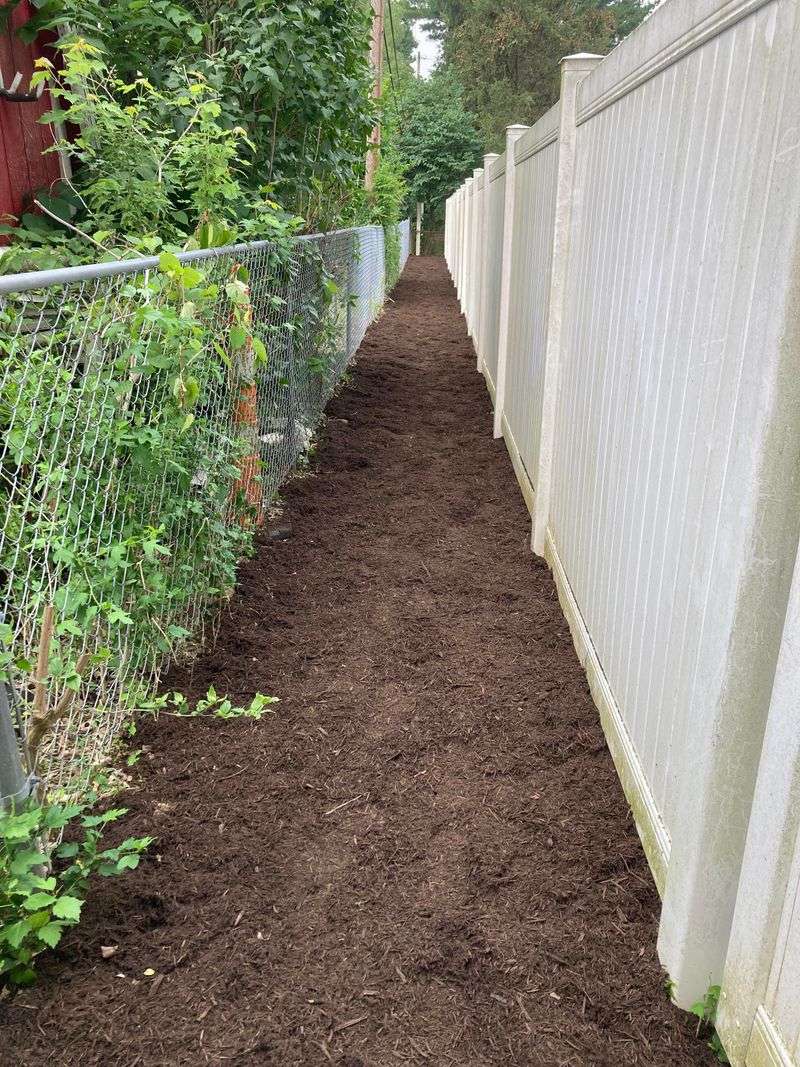
Plenty of homeowners assume sunshine comes with the deed. California law sees it differently, since the state recognizes no general right to light, air, or views across a neighbor’s property.
Courts in California have held this position for a long time.
A neighbor may build a fence, plant a hedge, or add a second story even when the yard next door grows shadier.
As long as the project follows the law and local codes, a lost sunbeam usually isn’t a legal injury on its own.
Some limited exceptions exist. A written easement recorded with the property can protect light or views, and a few cities have view or tree ordinances.
The state’s Solar Shade Control Act addresses trees and shrubs that shade certain solar panels, though it covers fairly narrow situations.
None of these creates a broad right to sunlight for gardens or windows.
Property documents deserve a close look for recorded easements or covenants. A title company or the county recorder’s office can help locate them.
A search of the city’s municipal code for terms such as view, light, or solar can reveal local protections as well.
Knowing this baseline saves considerable frustration. Rather than arguing over a right that doesn’t exist, attention can shift to the rules that actually apply.
Those include fence height limits, permits, HOA standards, and a long-standing state law aimed at spite fences.
© Reddit
A fence tall enough to block a neighbor’s second-floor window may sound extreme, yet California lawmakers anticipated that kind of grudge long ago.
Their answer became Civil Code Section 841.4, often called the spite fence law.
The statute declares that a fence or similar structure unnecessarily exceeding 10 feet, maliciously erected or maintained to annoy an adjoining owner or occupant, is a private nuisance.
Every element matters. The fence must exceed 10 feet, the extra height must be unnecessary, and a malicious purpose must exist.
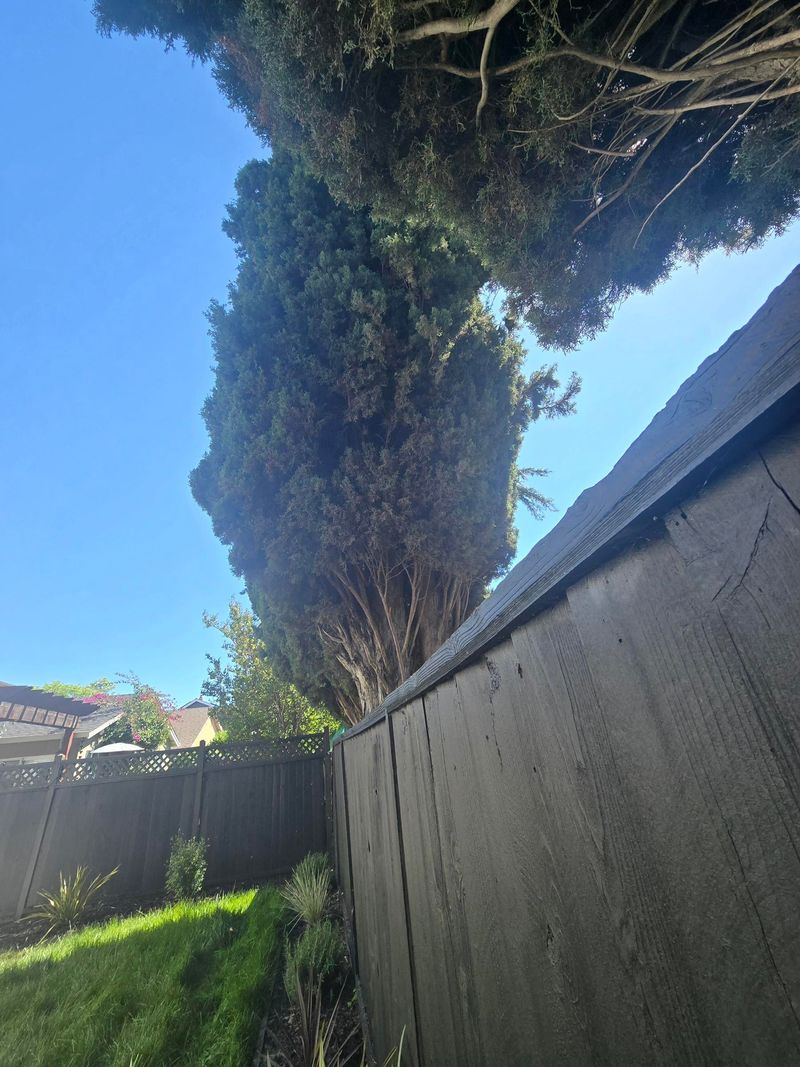
The phrase “in the nature of a fence” reaches further than it sounds. In a 2002 appellate case, Wilson v. Handley, a California court held that a row of trees can qualify.
The label matters less than how the structure functions along the boundary.
The idea has deep roots. California’s spite fence rules trace back to the late 1800s, and a famous early dispute involved railroad tycoon Charles Crocker.
Crocker reportedly built a fence around 40 feet tall around a neighbor’s lot on San Francisco’s Nob Hill.
Under the statute, an adjoining owner or occupant whose comfort or enjoyment suffers may seek remedies through the courts.
A fence 10 feet or shorter falls outside this particular law. Careful measurements and dated photos help establish height before assuming the statute applies.
Height measured from the neighbor’s side and the near side can differ on sloped lots, another detail an attorney can sort out.
© Yahoo
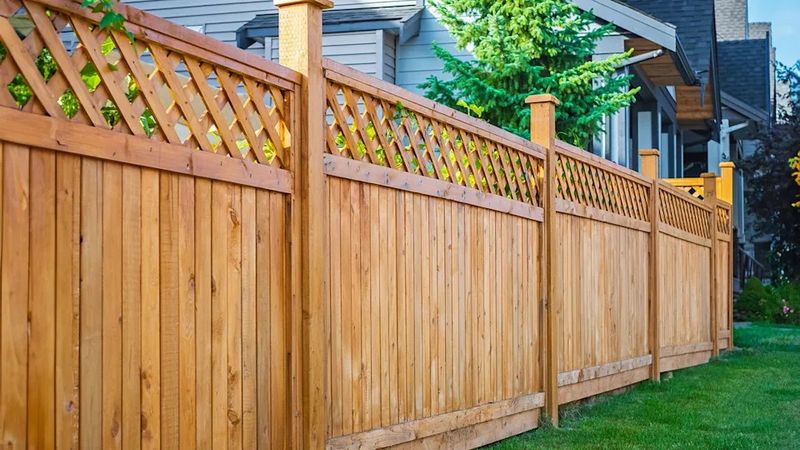
Height alone rarely wins the argument. A towering fence built for privacy, noise control, or security differs from one built to irritate.
Under Civil Code 841.4, the fence must be maliciously erected or maintained for the purpose of annoying the neighbor.
Malice concerns intent, and intent can be hard to prove, since nobody can see inside a neighbor’s head. Evidence usually comes from words, actions, and timing.
Several kinds of evidence can shed light on purpose. A text promising the fence will teach someone a lesson tells one story.
A fence that rose right after a heated argument tells another, and a structure with no clear privacy or safety benefit may raise questions as well.
On the other hand, a neighbor with a real reason holds a strong defense. Blocking a busy road, screening a pool, or adding privacy are common explanations.
The statute also uses the word unnecessarily, so a legitimate need for extra height carries weight.
A simple, factual log helps. Dates, conversations, and changes to the fence belong in it, along with saved emails, letters, and texts.
Insults and opinions are best left out, since a calm record proves far more useful than a heated one.
Only a court can decide whether a fence was built with malice. A licensed California attorney can review the evidence and explain how the law may apply.
No article can predict how a judge will view a particular case.
© HandyMaestro
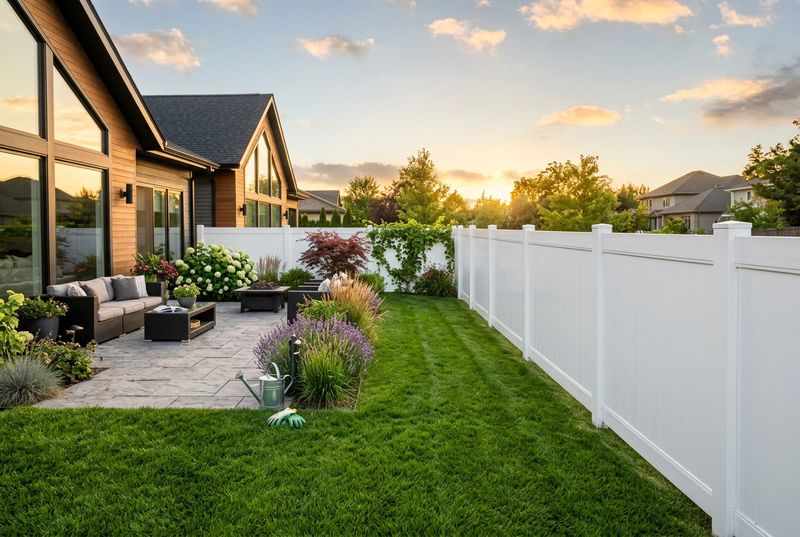
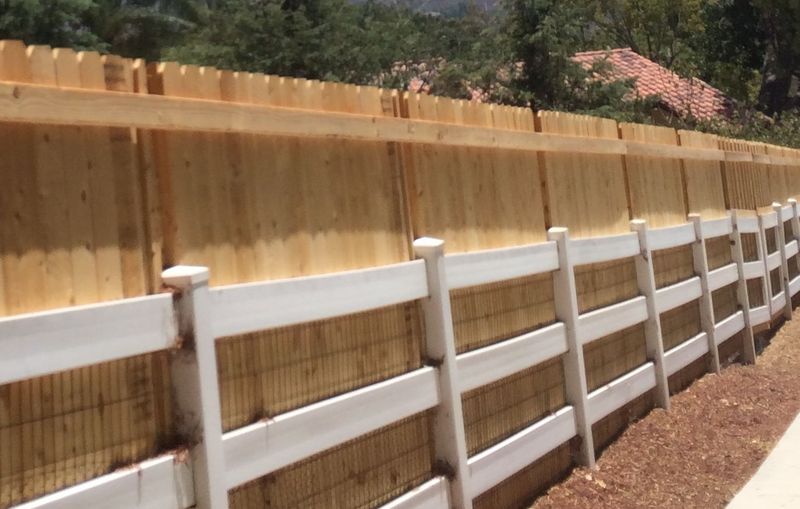
Many people miss an important twist. Most California fences never approach 10 feet, because cities and counties cap them much lower through local zoning codes.
Limits often change by location on the lot. Many cities allow side and rear yard fences around 6 to 8 feet tall.
Front yard fences frequently stop at about 3 to 4 feet, especially near driveways and street corners where drivers need clear sight lines.
Every city writes its own numbers, so those figures serve only as common examples. Unincorporated areas follow county codes instead.
Measurement methods vary too, with some codes measuring from the ground on the fence’s higher side and others from the lower side.
Extras count as well. Lattice toppers, trellises, and decorative caps may count toward total height, and retaining walls topped with fencing can involve special calculations.
Local codes are usually easy to find. A search for the city name plus municipal code fence height often turns up the rules.
Many cities post codes on Municode or planning department pages, and the planning counter can answer questions by phone or in person.
A neighboring fence that seems taller than allowed may warrant a code enforcement inspection. That route requires no proof of malice.
A fence breaking local height rules can be a code violation even when the neighbor had friendly intentions.
Code enforcement complaints are often handled confidentially, though policies vary by city.
© Reddit
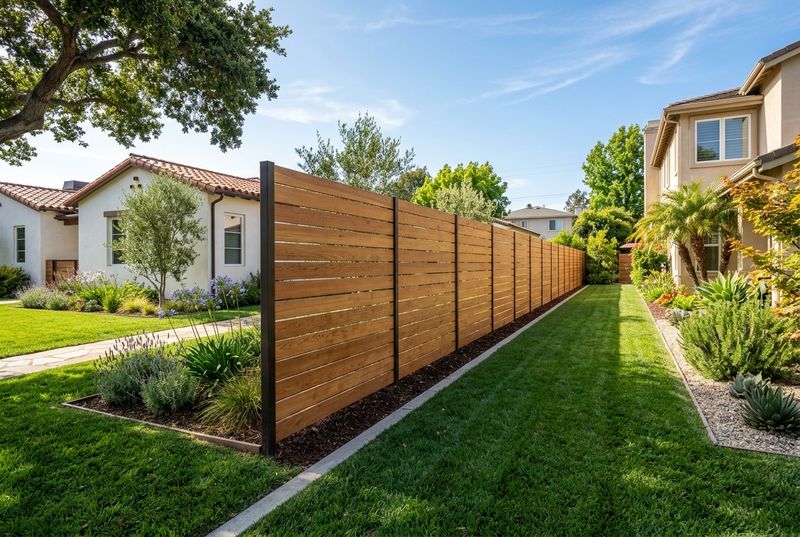
A crew arriving with post-hole diggers and no posted paperwork offers a clue worth noticing. Many California cities require a building permit above a certain fence height.
Others may require zoning review even for shorter fences.
Under California building rules, many jurisdictions exempt fences up to about 7 feet from a building permit, though cities can adjust that and some set lower limits.
Masonry walls, retaining walls, and fences in special zones often need review regardless of height.
Special zones can include coastal areas, historic districts, and hillside neighborhoods. Fences near easements, sidewalks, or fire access routes may face extra checks.
In designated fire areas, Zone 0 rules approved by the state Board of Forestry address combustible materials, including fencing, close to homes, with CAL FIRE confirming local details.
A call to the local building or planning department, describing height, material, and location, usually clarifies the rules. Many cities let residents search permit records online by address.
Checking permits next door can help. When a tall fence went up without a required permit, the city may ask the owner to apply or make changes.
A permit search is public and fairly low drama compared with a lawsuit.
Anyone planning a new fence benefits from answering the permit question before buying lumber. A short phone call costs nothing.
Removing a fence that broke the rules costs far more and may strain relationships with neighbors for years.
© HandyMaestro
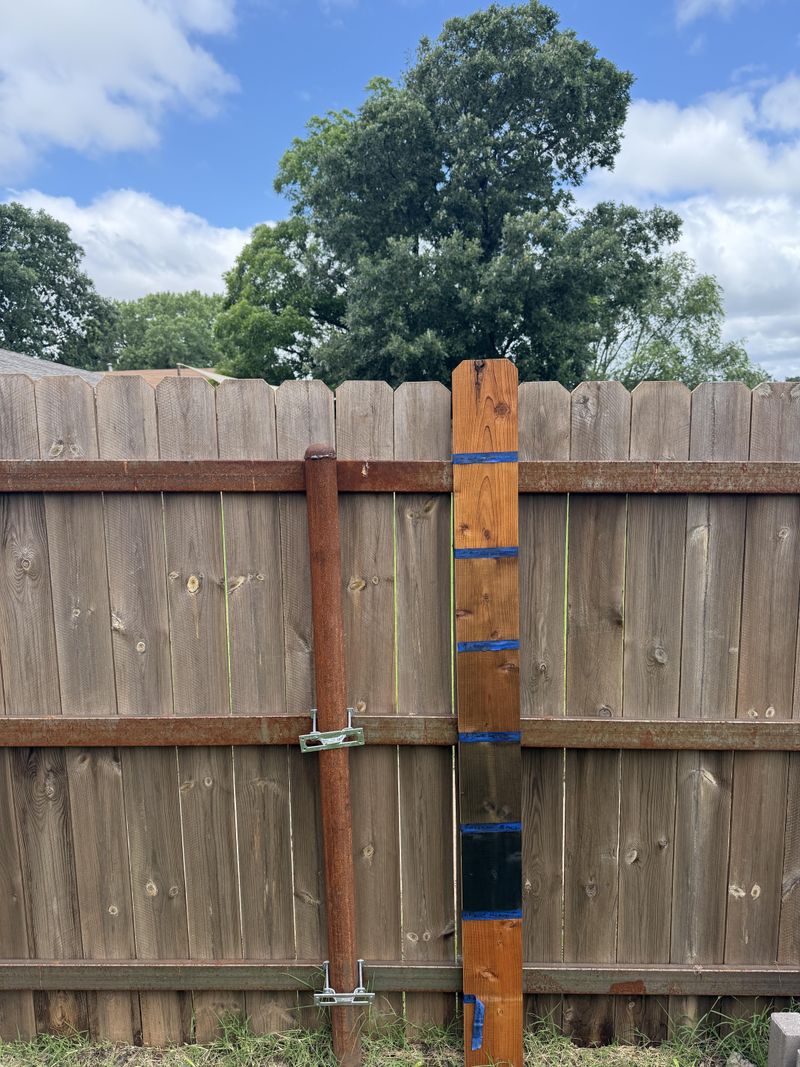
In some neighborhoods, every fence looks like a twin, and that rarely happens by accident. Homeowners associations often control fence height, color, material, and placement.
Those rules usually live in the CC&Rs, short for covenants, conditions, and restrictions. Associations may also keep architectural guidelines with more detail.
Many require owners to submit plans and win approval before building anything new.
HOA limits can run stricter than city codes. A city may allow a 6-foot fence while the association caps it at 5 feet or bans certain materials.
Both sets of rules can apply at once, so the tighter standard controls.
California’s Davis-Stirling Common Interest Development Act guides how associations operate, including a process for internal dispute resolution.
Associations generally must offer a fair, reasonable procedure for members to talk through disagreements.
HOA residents can request the CC&Rs and architectural guidelines from the management company and ask whether the neighboring fence received approval.
When something looks off, a written complaint to the board or architectural committee starts the process.
A neighborly tone helps. Board members are often volunteers living down the street, and a clear, polite letter with photos and the exact rule number gains far more traction.
An angry phone call, by contrast, tends to stall progress and harden positions on both sides.
A paper trail built calmly serves everyone better than a war of words.
© Reddit
Sometimes a neighbor simply has no idea a new fence is shading the roses. A friendly chat resolves more fence disputes than any courtroom.
Starting calmly keeps options open and the block peaceful.
A relaxed moment works best, rather than right after the crew leaves. A knock on the door or a chat over the garden fence can open the conversation.
Explaining what changed, such as less sun on vegetables or a darker kitchen, gives the neighbor useful context.
Ideas tend to land better than demands. A lattice top section can let light through, a lighter stain can reflect more sun, and a planter can soften the look.
Listening matters too. The neighbor may want privacy from a new window, a barrier for a dog, or a buffer from street noise.
Understanding that reason may reveal a fix that works for everyone.
When talking stalls, research comes next. City or county fence height limits, permit rules, and HOA documents all deserve a look.
Measurements and photos taken from the near side, without stepping onto the neighbor’s land, round out the record.
California’s good neighbor fence law, Civil Code 841, also presumes adjoining owners share responsibility for boundary fences, which can shape conversations about costs and changes.
A short follow-up note after each conversation, summarizing what was discussed, protects both sides. Patience now can keep neighbors friendly for years.
© ARAG
Months of icy silence across the fence can wear anyone down. When talking fails, outside help can break the stalemate.
Two common paths are mediation and advice from a licensed California attorney.
Mediation brings both neighbors together with a neutral person. The mediator picks no winner, helping each side talk, listen, and look for a solution both can accept.
Many California counties offer free or low-cost community mediation, some funded through the state’s Dispute Resolution Programs Act.
A search for the county name plus community mediation, or a referral from city code enforcement, usually points the way.
Mediation is usually faster and cheaper than court, and it stays private. Agreements might include trimming a fence top, adding lattice, or sharing the cost of changes.
Neighbors often keep a better relationship afterward as well.
Some disputes need a lawyer. A spite fence claim, an easement question, or a boundary line problem can grow complicated quickly.
A licensed attorney who handles real estate or neighbor disputes can review the facts, documents, and local rules, then explain the options.
The State Bar of California offers resources for finding a lawyer, including certified lawyer referral services. Photos, measurements, the log, and any letters belong at the first meeting.
This article offers general information rather than legal advice. A licensed professional can give guidance that fits a specific property and situation.
The post Can A California Neighbor Build A Tall Fence Just To Block Your Light? appeared first on Positivebloom.
Then a crew arrives next door, and fresh boards rise along the property line by the end of the week.
Shade creeps in, seedlings stretch, and questions follow quickly.
California homeowners face this situation more often than many expect, and the answer rarely matches first instincts.
State rules, city codes, and neighborhood agreements all play a part, each with its own limits and surprises.
Height, timing, paperwork, and even intent can matter.
Understanding how those pieces fit together brings clarity, and it often points toward calmer, more practical solutions. Good fences, after all, work best alongside good conversations.
California Has No General Right To Light
Plenty of homeowners assume sunshine comes with the deed. California law sees it differently, since the state recognizes no general right to light, air, or views across a neighbor’s property.
Courts in California have held this position for a long time.
A neighbor may build a fence, plant a hedge, or add a second story even when the yard next door grows shadier.
As long as the project follows the law and local codes, a lost sunbeam usually isn’t a legal injury on its own.
Some limited exceptions exist. A written easement recorded with the property can protect light or views, and a few cities have view or tree ordinances.
The state’s Solar Shade Control Act addresses trees and shrubs that shade certain solar panels, though it covers fairly narrow situations.
None of these creates a broad right to sunlight for gardens or windows.
Property documents deserve a close look for recorded easements or covenants. A title company or the county recorder’s office can help locate them.
A search of the city’s municipal code for terms such as view, light, or solar can reveal local protections as well.
Knowing this baseline saves considerable frustration. Rather than arguing over a right that doesn’t exist, attention can shift to the rules that actually apply.
Those include fence height limits, permits, HOA standards, and a long-standing state law aimed at spite fences.
A Fence Over Ten Feet Built Out Of Spite Is A Nuisance
A fence tall enough to block a neighbor’s second-floor window may sound extreme, yet California lawmakers anticipated that kind of grudge long ago.
Their answer became Civil Code Section 841.4, often called the spite fence law.
The statute declares that a fence or similar structure unnecessarily exceeding 10 feet, maliciously erected or maintained to annoy an adjoining owner or occupant, is a private nuisance.
Every element matters. The fence must exceed 10 feet, the extra height must be unnecessary, and a malicious purpose must exist.
The phrase “in the nature of a fence” reaches further than it sounds. In a 2002 appellate case, Wilson v. Handley, a California court held that a row of trees can qualify.
The label matters less than how the structure functions along the boundary.
The idea has deep roots. California’s spite fence rules trace back to the late 1800s, and a famous early dispute involved railroad tycoon Charles Crocker.
Crocker reportedly built a fence around 40 feet tall around a neighbor’s lot on San Francisco’s Nob Hill.
Under the statute, an adjoining owner or occupant whose comfort or enjoyment suffers may seek remedies through the courts.
A fence 10 feet or shorter falls outside this particular law. Careful measurements and dated photos help establish height before assuming the statute applies.
Height measured from the neighbor’s side and the near side can differ on sloped lots, another detail an attorney can sort out.
The Purpose Must Be To Annoy The Neighbor
© Yahoo
Height alone rarely wins the argument. A towering fence built for privacy, noise control, or security differs from one built to irritate.
Under Civil Code 841.4, the fence must be maliciously erected or maintained for the purpose of annoying the neighbor.
Malice concerns intent, and intent can be hard to prove, since nobody can see inside a neighbor’s head. Evidence usually comes from words, actions, and timing.
Several kinds of evidence can shed light on purpose. A text promising the fence will teach someone a lesson tells one story.
A fence that rose right after a heated argument tells another, and a structure with no clear privacy or safety benefit may raise questions as well.
On the other hand, a neighbor with a real reason holds a strong defense. Blocking a busy road, screening a pool, or adding privacy are common explanations.
The statute also uses the word unnecessarily, so a legitimate need for extra height carries weight.
A simple, factual log helps. Dates, conversations, and changes to the fence belong in it, along with saved emails, letters, and texts.
Insults and opinions are best left out, since a calm record proves far more useful than a heated one.
Only a court can decide whether a fence was built with malice. A licensed California attorney can review the evidence and explain how the law may apply.
No article can predict how a judge will view a particular case.
Local Codes Cap Fence Height
© HandyMaestro
Many people miss an important twist. Most California fences never approach 10 feet, because cities and counties cap them much lower through local zoning codes.
Limits often change by location on the lot. Many cities allow side and rear yard fences around 6 to 8 feet tall.
Front yard fences frequently stop at about 3 to 4 feet, especially near driveways and street corners where drivers need clear sight lines.
Every city writes its own numbers, so those figures serve only as common examples. Unincorporated areas follow county codes instead.
Measurement methods vary too, with some codes measuring from the ground on the fence’s higher side and others from the lower side.
Extras count as well. Lattice toppers, trellises, and decorative caps may count toward total height, and retaining walls topped with fencing can involve special calculations.
Local codes are usually easy to find. A search for the city name plus municipal code fence height often turns up the rules.
Many cities post codes on Municode or planning department pages, and the planning counter can answer questions by phone or in person.
A neighboring fence that seems taller than allowed may warrant a code enforcement inspection. That route requires no proof of malice.
A fence breaking local height rules can be a code violation even when the neighbor had friendly intentions.
Code enforcement complaints are often handled confidentially, though policies vary by city.
Permits May Be Required For Tall Fences
A crew arriving with post-hole diggers and no posted paperwork offers a clue worth noticing. Many California cities require a building permit above a certain fence height.
Others may require zoning review even for shorter fences.
Under California building rules, many jurisdictions exempt fences up to about 7 feet from a building permit, though cities can adjust that and some set lower limits.
Masonry walls, retaining walls, and fences in special zones often need review regardless of height.
Special zones can include coastal areas, historic districts, and hillside neighborhoods. Fences near easements, sidewalks, or fire access routes may face extra checks.
In designated fire areas, Zone 0 rules approved by the state Board of Forestry address combustible materials, including fencing, close to homes, with CAL FIRE confirming local details.
A call to the local building or planning department, describing height, material, and location, usually clarifies the rules. Many cities let residents search permit records online by address.
Checking permits next door can help. When a tall fence went up without a required permit, the city may ask the owner to apply or make changes.
A permit search is public and fairly low drama compared with a lawsuit.
Anyone planning a new fence benefits from answering the permit question before buying lumber. A short phone call costs nothing.
Removing a fence that broke the rules costs far more and may strain relationships with neighbors for years.
HOA Rules May Add Limits
© HandyMaestro
In some neighborhoods, every fence looks like a twin, and that rarely happens by accident. Homeowners associations often control fence height, color, material, and placement.
Those rules usually live in the CC&Rs, short for covenants, conditions, and restrictions. Associations may also keep architectural guidelines with more detail.
Many require owners to submit plans and win approval before building anything new.
HOA limits can run stricter than city codes. A city may allow a 6-foot fence while the association caps it at 5 feet or bans certain materials.
Both sets of rules can apply at once, so the tighter standard controls.
California’s Davis-Stirling Common Interest Development Act guides how associations operate, including a process for internal dispute resolution.
Associations generally must offer a fair, reasonable procedure for members to talk through disagreements.
HOA residents can request the CC&Rs and architectural guidelines from the management company and ask whether the neighboring fence received approval.
When something looks off, a written complaint to the board or architectural committee starts the process.
A neighborly tone helps. Board members are often volunteers living down the street, and a clear, polite letter with photos and the exact rule number gains far more traction.
An angry phone call, by contrast, tends to stall progress and harden positions on both sides.
A paper trail built calmly serves everyone better than a war of words.
Talk First Then Check City Rules
Sometimes a neighbor simply has no idea a new fence is shading the roses. A friendly chat resolves more fence disputes than any courtroom.
Starting calmly keeps options open and the block peaceful.
A relaxed moment works best, rather than right after the crew leaves. A knock on the door or a chat over the garden fence can open the conversation.
Explaining what changed, such as less sun on vegetables or a darker kitchen, gives the neighbor useful context.
Ideas tend to land better than demands. A lattice top section can let light through, a lighter stain can reflect more sun, and a planter can soften the look.
Listening matters too. The neighbor may want privacy from a new window, a barrier for a dog, or a buffer from street noise.
Understanding that reason may reveal a fix that works for everyone.
When talking stalls, research comes next. City or county fence height limits, permit rules, and HOA documents all deserve a look.
Measurements and photos taken from the near side, without stepping onto the neighbor’s land, round out the record.
California’s good neighbor fence law, Civil Code 841, also presumes adjoining owners share responsibility for boundary fences, which can shape conversations about costs and changes.
A short follow-up note after each conversation, summarizing what was discussed, protects both sides. Patience now can keep neighbors friendly for years.
Mediation Or A Lawyer Can Help
© ARAG
Months of icy silence across the fence can wear anyone down. When talking fails, outside help can break the stalemate.
Two common paths are mediation and advice from a licensed California attorney.
Mediation brings both neighbors together with a neutral person. The mediator picks no winner, helping each side talk, listen, and look for a solution both can accept.
Many California counties offer free or low-cost community mediation, some funded through the state’s Dispute Resolution Programs Act.
A search for the county name plus community mediation, or a referral from city code enforcement, usually points the way.
Mediation is usually faster and cheaper than court, and it stays private. Agreements might include trimming a fence top, adding lattice, or sharing the cost of changes.
Neighbors often keep a better relationship afterward as well.
Some disputes need a lawyer. A spite fence claim, an easement question, or a boundary line problem can grow complicated quickly.
A licensed attorney who handles real estate or neighbor disputes can review the facts, documents, and local rules, then explain the options.
The State Bar of California offers resources for finding a lawyer, including certified lawyer referral services. Photos, measurements, the log, and any letters belong at the first meeting.
This article offers general information rather than legal advice. A licensed professional can give guidance that fits a specific property and situation.
The post Can A California Neighbor Build A Tall Fence Just To Block Your Light? appeared first on Positivebloom.