L
Liam Prescott
Guest
- Thread Author
- #1
Your spring garden is being decided right now, while the trees in New York are still blazing orange. A few quiet hours with a trowel this month can change how April looks outside your window.
I find this part of gardening wonderfully sneaky, like hiding presents in the yard for your future self. You bury plain brown lumps in cool soil and simply walk away for five long months.
The timing matters more than most people expect, especially across a state as big as New York. Upstate yards can freeze weeks before city gardens, and the clock ticks a little faster up north.
My list mixes famous garden stars with tiny early risers that bloom right through late snow. A few of them hide strange habits and odd smells that surprised me the first time I read about them.
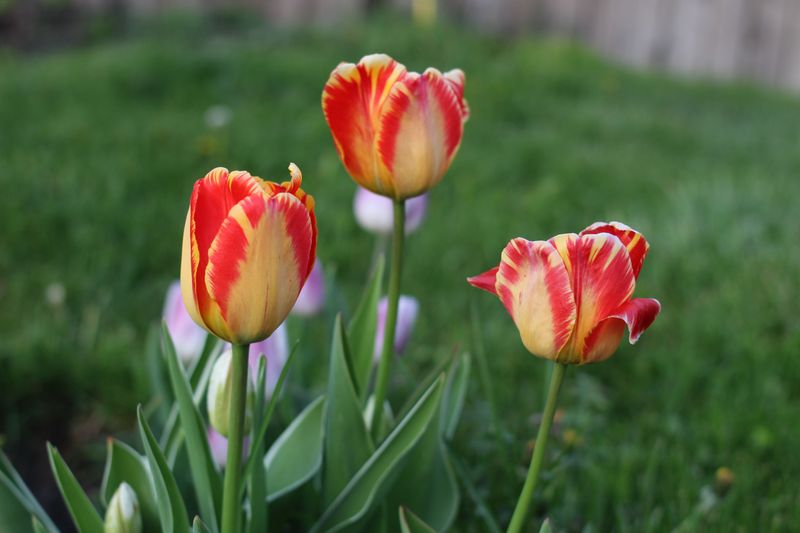
Image Credit: © Patricia Merl / Pexels
Squirrels in your yard probably think tulip bulbs are a free autumn snack bar set up just for them. You can outsmart those furry thieves with a little planning and a few smart tricks this month.
Most tulips grow well in zones 3 through 8, which covers nearly every corner of the state. They need a long, cold winter nap to build those tall stems and cup-shaped blooms in spring.
Dig each hole about six to eight inches deep, setting the pointy end up and the flat roots down. Pick a sunny spot with soil that drains quickly, since soggy ground can cause bulbs to rot.
Laying chicken wire over the planting area before you add mulch helps keep diggers away from your bulbs. Some gardeners also scatter crushed gravel in each hole, which makes tunneling feel rough on little paws.
Many fancy hybrid tulips put on their best show the first year, then slowly weaken in later seasons. Species tulips and Darwin hybrids often return more reliably, so they are worth trying in a sunny bed.
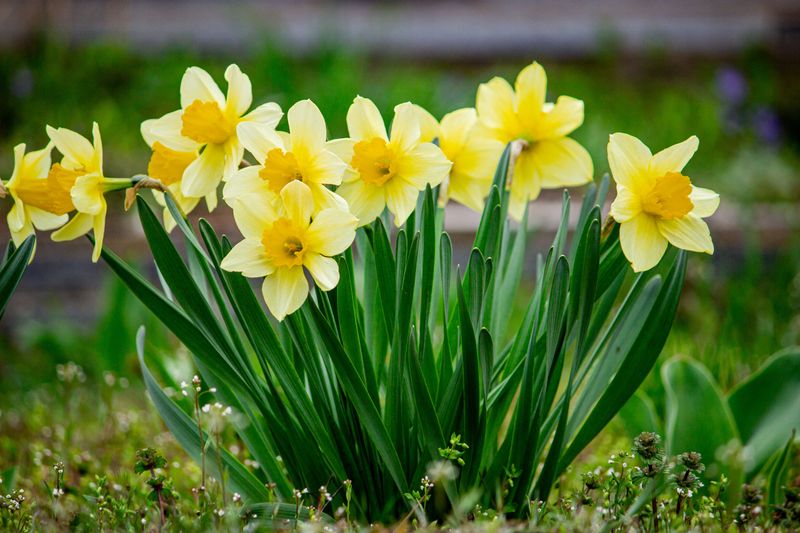
Image Credit: © Natalia Sevruk / Pexels
Deer will stroll right past a patch of daffodils as if the flowers were made of plastic. The bulbs contain a bitter compound called lycorine, so hungry animals mostly leave them alone all spring.
That built-in defense makes daffodils a favorite for rural yards where deer and voles roam freely at night. They grow happily in zones 3 through 8 and often spread into bigger clumps over many years.
Plant each bulb about six inches deep with the pointed tip facing the sky and the roots below. Full sun gives the strongest flowers, though light shade under tall trees usually works fine as well.
Early October is a great window, because the bulbs need several weeks to grow roots before the soil freezes. Water them well after planting, then let autumn rain handle most of the work from there.
After blooming next spring, leave the leaves in place until they turn yellow on their own and flop. Those leaves feed the bulb for next year, so cutting them early often means fewer flowers later.
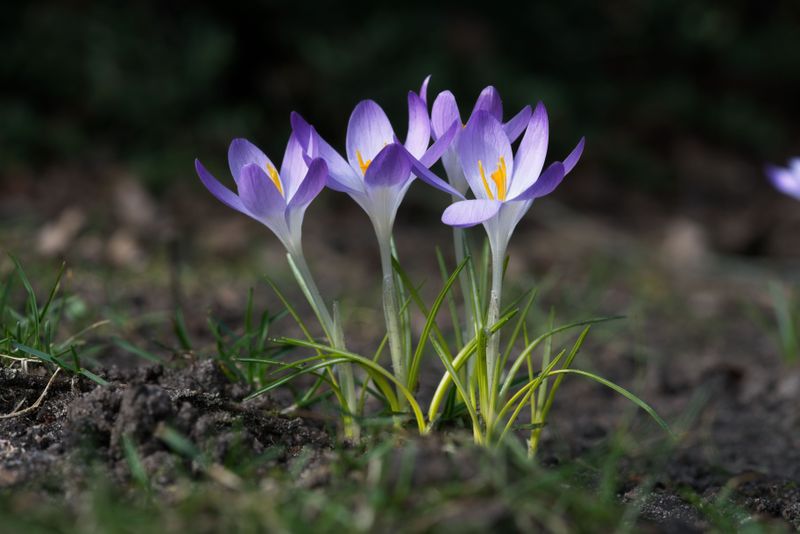
Image Credit: © Henning Roettger / Pexels
Hungry bees waking up on a chilly March afternoon often find their very first meal inside a crocus cup. The little flowers open wide in sunshine and close up tight again when clouds roll overhead.
Crocuses are hardy in zones 3 through 8, and they handle cold snaps far better than their delicate looks suggest. Purple and golden types are the most common, though striped kinds look lovely in groups too.
Tuck the small corms about three to four inches deep, spacing them a few inches apart for a thick carpet. They tolerate many soil types, as long as water drains away and does not sit around them.
One fun trick is planting crocuses right into the lawn, where they bloom before the grass needs mowing. Just wait until the foliage fades in late spring before you start the mower for the season.
Did you know the pricey spice saffron comes from a crocus relative that blooms in fall instead? Spring crocuses do not make saffron, but they share the same family charm and bright little cups.
© taprootfields
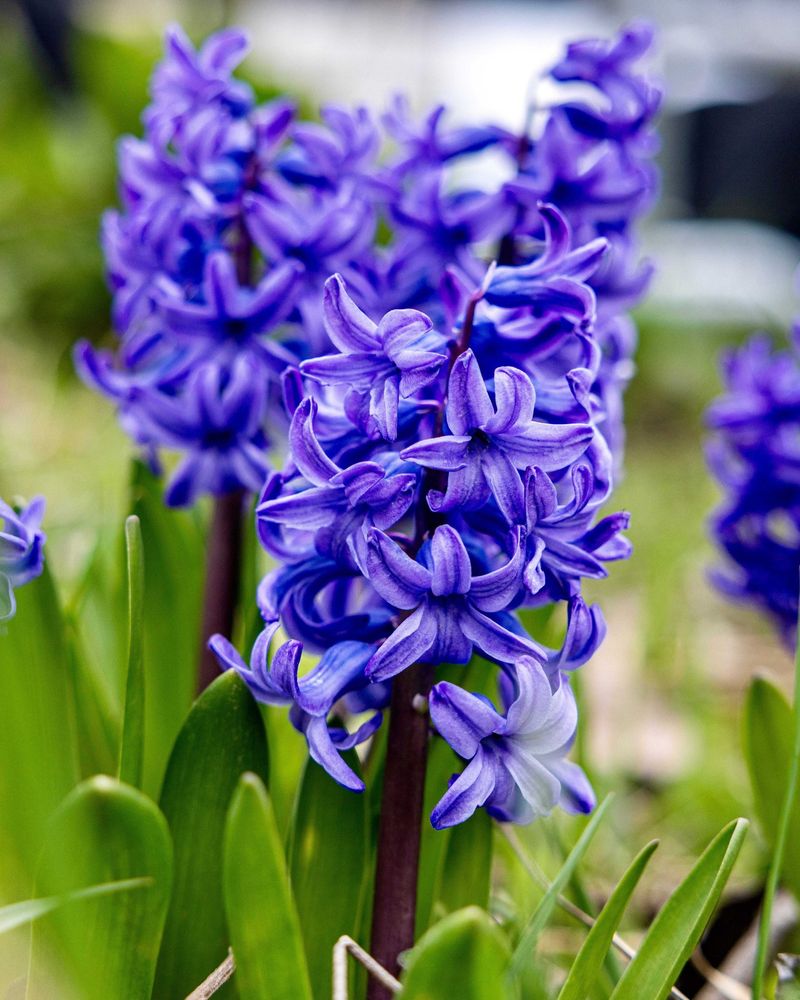
One hyacinth spike can perfume a whole front walk, and I am sure your mail carrier will notice. The scent is sweet and strong, almost like someone sprayed a fancy room spray across your porch steps.
Hyacinths grow best in zones 4 through 8, so most yards across the state can enjoy them each spring. Their thick spikes come in rich blue or soft pink shades, packed with tiny star-shaped blooms.
Set the bulbs about six inches deep and roughly five inches apart in a sunny, well-drained garden bed. Planting them near a doorway or path lets you enjoy that fragrance every time you walk outside.
You definitely need gloves for this job, because the papery bulb skins can make some people’s hands itch. The irritation comes from tiny crystals in the bulb, and washing up afterward usually prevents any trouble.
Bloom spikes often look shorter and looser after the first year, which is normal for these garden bulbs. Many gardeners actually prefer that relaxed second-year look, since the flowers seem less stiff and more natural.
© DutchGrown
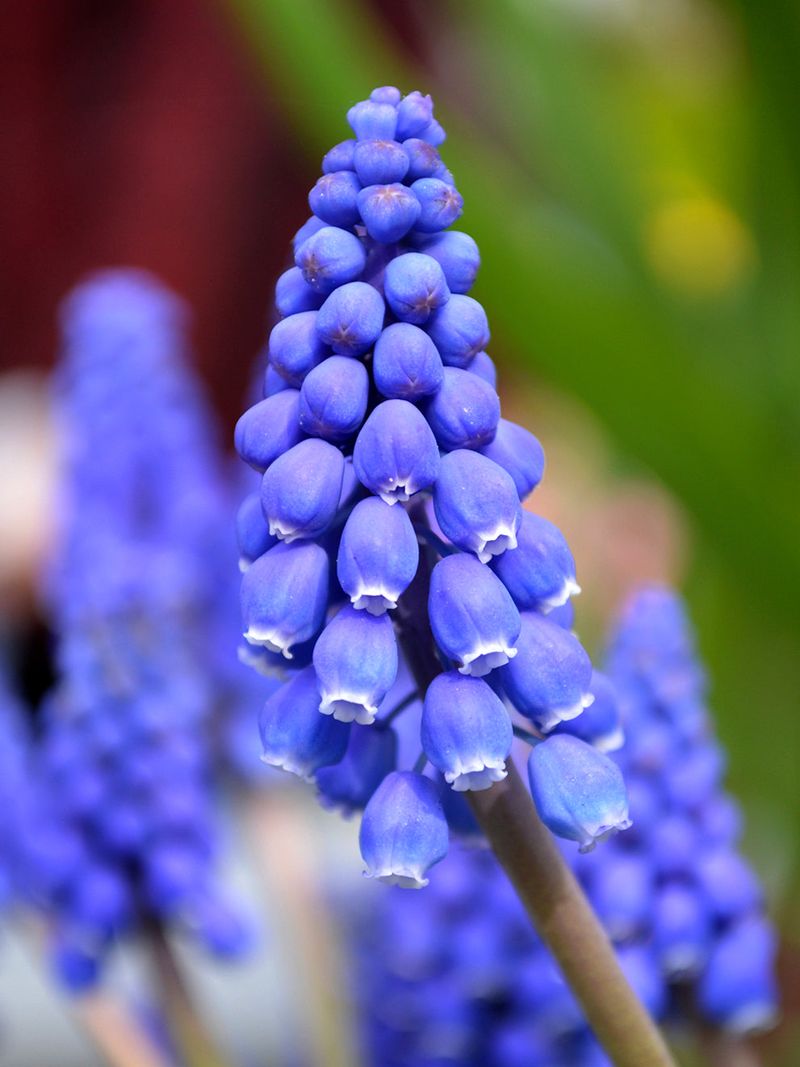
Grape hyacinths do something odd in autumn, sending up grassy leaves just as most plants are shutting down. Those early leaves sometimes confuse new gardeners, but they are a normal part of the plant’s yearly rhythm.
Despite the name, they are not true hyacinths, and they belong to a separate group called Muscari. The tiny flower clusters really do resemble upside-down bunches of grapes in deep blue or soft purple shades.
Plant the small bulbs about three inches deep and three inches apart for a dense, colorful drift. They handle full sun or partial shade and seem happy in most soils that drain well after rain.
Deer and rodents rarely bother them, which makes them a smart partner for tulips in mixed garden beds. I like how a ribbon of blue around taller tulips looks, almost like a river flowing past them.
Grape hyacinths multiply quickly, so a small handful planted this fall can become a big patch within a few years. You can dig and divide crowded clumps after the foliage fades, sharing extras with friends.
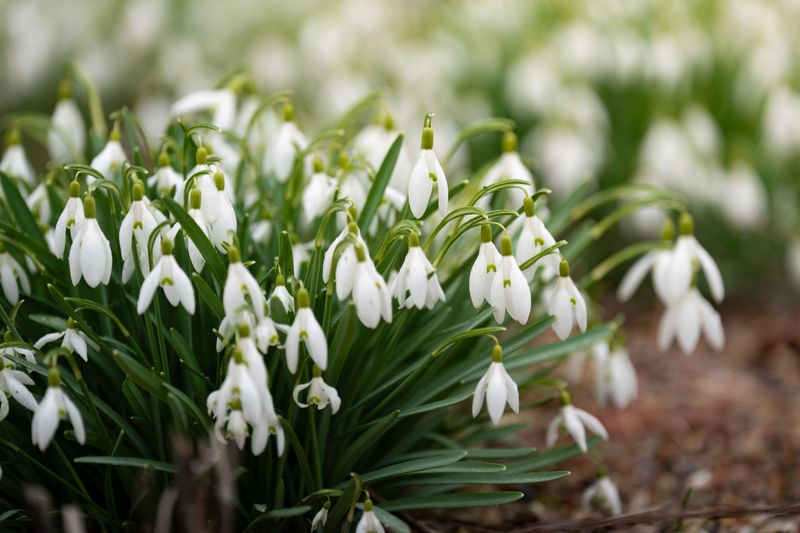
Image Credit: © Jakub Krystkiewicz / Pexels
Tiny white bells hanging over frozen ground might be the bravest sight in any late winter garden. Snowdrops often bloom in February or early March, sometimes poking right through a thin layer of crusty snow.
Their scientific name, Galanthus, comes from Greek words meaning milk flower, which fits those pure white petals. Look closely and you will spot little green markings on the inner petals, almost like painted smiles.
Snowdrops thrive in zones 3 through 7, making them a great match for colder upstate gardens and city yards alike. Plant the bulbs about three inches deep in small groups, since a single flower can look lonely.
They love spots under deciduous trees, where they soak up sun before the branches fill with leaves. Soil rich in compost that stays slightly moist but not soggy suits them best throughout the seasons.
Dry bulbs from stores can be slow to settle in, so plant them as soon as you bring them home. Patience pays off here, because healthy clumps slowly spread into charming white drifts over the years.
© Gardenista
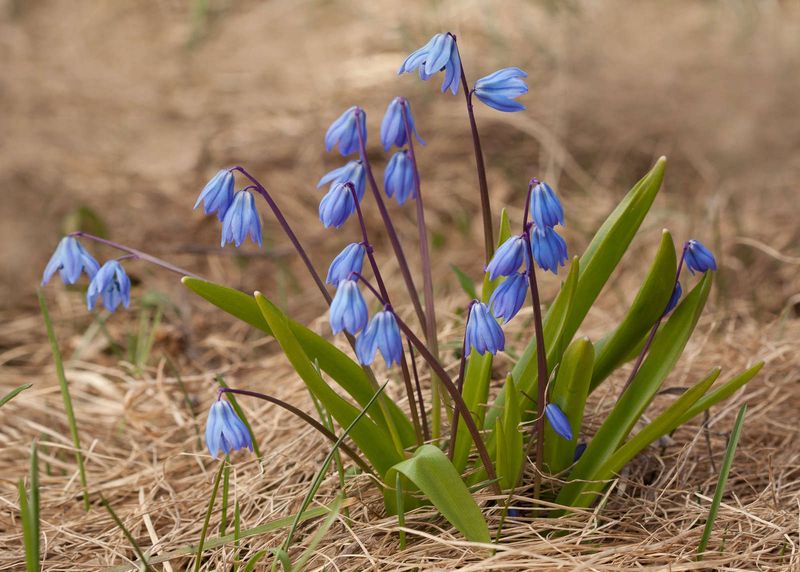
Few flowers can match the electric blue of Siberian squill, which almost glows on a gray early spring morning. The nodding star-shaped blooms appear soon after the snow melts, often alongside the last snowdrops.
These tough little bulbs are hardy in zones 2 through 8, so even the chilliest Adirondack yards can grow them. Deer and rabbits usually skip them, which helps your early display last until the petals fade.
Plant the bulbs about three inches deep and a few inches apart in sun or partial shade. They do best in well-drained soil and need very little care once they settle into their new home.
I believe honesty matters here, because Siberian squill spreads quickly by seed and can escape into nearby woods. Some natural areas in the Northeast now treat it as an invasive plant that crowds out native wildflowers.
Keep it in contained beds away from forests, or choose a calmer bulb if you live beside natural areas. Checking with your local Cornell Cooperative Extension office is a smart move before planting large amounts.
© Bluestone Perennials
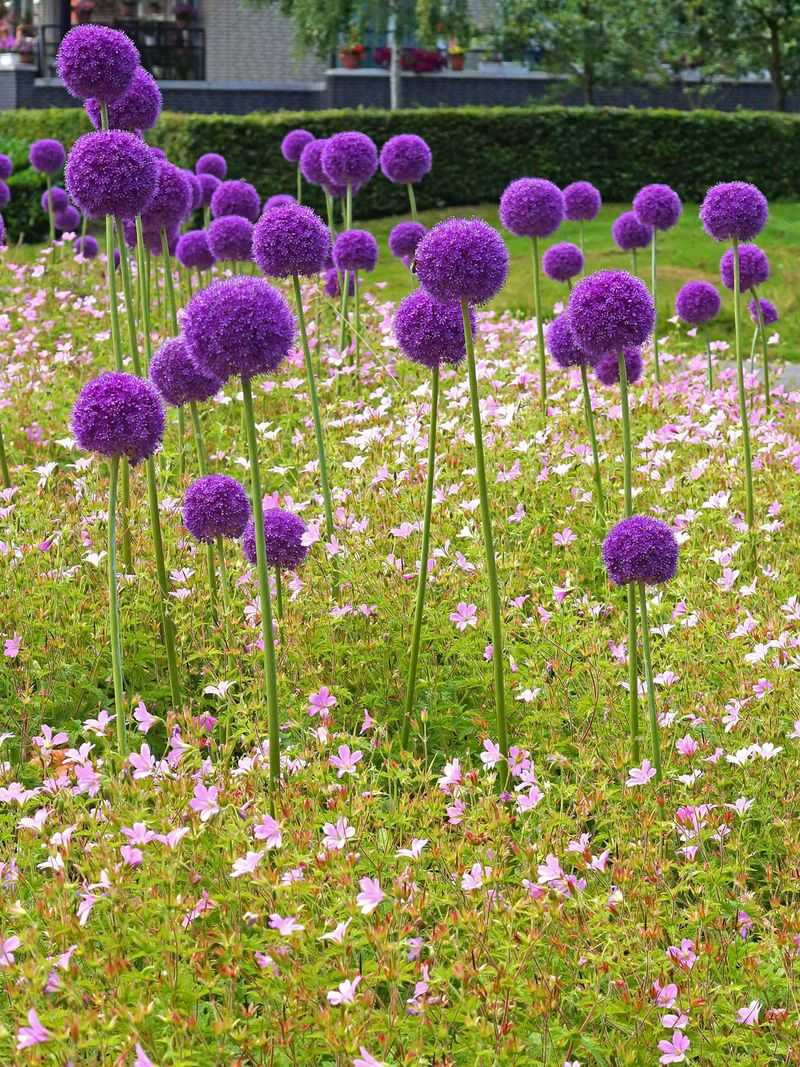
Giant purple pom-poms floating on tall stems make alliums look like something from a cartoon garden. Some varieties, like Globemaster, produce flower heads nearly ten inches across, big enough to stop people on the sidewalk.
Alliums are ornamental onions, and a crushed leaf gives off that familiar oniony smell you know from the kitchen. That scent helps keep deer and rodents away, so your bulbs usually stay safe underground all winter.
Most types grow well in zones 4 through 8 and bloom in late spring after tulips have finished. Plant them about two to three times as deep as the bulb is tall, in full sun with sharp drainage.
Their leaves often turn yellow and floppy right as the flowers open, which looks a bit messy up close. Planting them behind bushy perennials like catmint hides those tired leaves while the big blooms tower overhead.
Bees and butterflies flock to the flowers, and the dried seed heads can stay standing well into summer. Many gardeners leave them in place as sculptural decorations or snip them for long-lasting indoor arrangements.
© High Country Gardens
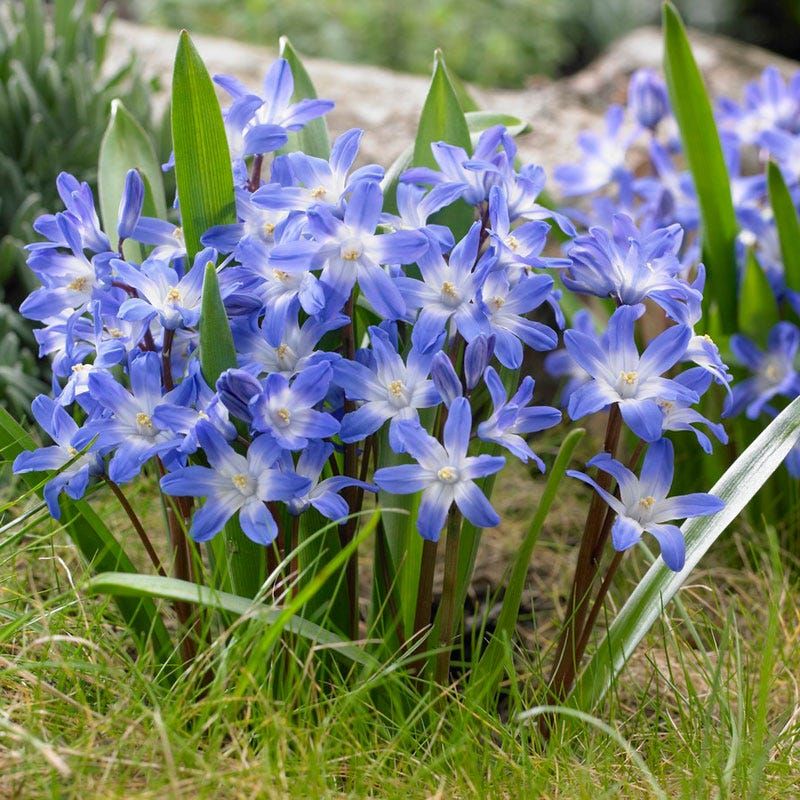
Its name sounds like a fairy tale title, and the flowers live up to every bit of that drama. Bright blue stars with crisp white centers pop open in early spring, sometimes while snow still lingers nearby.
Botanists have shuffled this plant around, and some now group Chionodoxa with its close cousins in the Scilla genus. Garden catalogs still sell it under the old name, so look for Chionodoxa when shopping for bulbs.
Glory-of-the-snow is hardy in zones 3 through 8 and handles harsh winters without any fuss at all. Plant the bulbs about three inches deep and two to three inches apart for a thick, sparkling patch.
Full sun or light shade works well, especially under trees that leaf out later in spring. Each bulb sends up a short stem with several upward-facing flowers, which makes them easy to admire from above.
Like Siberian squill, it can self-sow freely, so watch where seedlings appear over the next few seasons. Planting it in lawns or contained beds keeps the spread under control while still giving you that cheerful blue carpet.
© Gardener’s Path
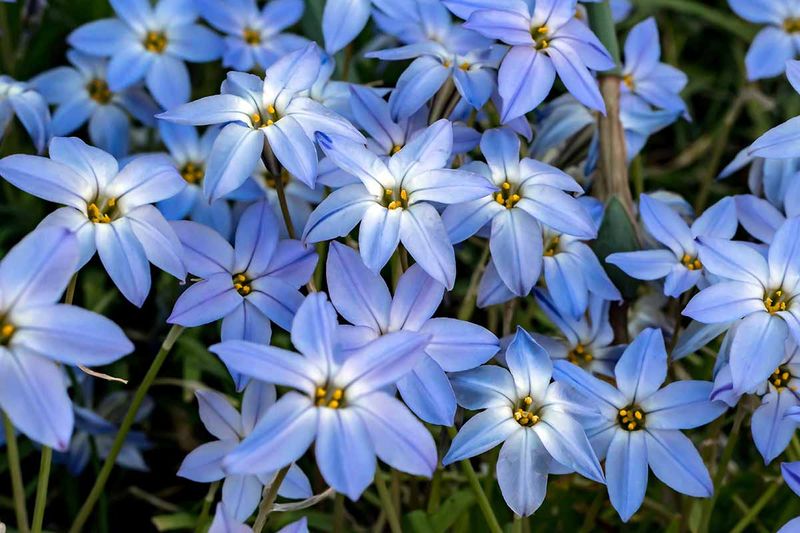
Crush a leaf of spring starflower, and you will catch a faint whiff of onion mixed with something green. The pale blue star-shaped flowers carry a light sweet scent that you notice best on warm, sunny afternoons.
Known to botanists as Ipheion uniflorum, this bulb comes from South America and is a bit more cold-sensitive. It grows best in zones 5 through 9, so it suits New York City and Long Island gardens nicely.
Colder upstate gardeners can still try it in a sheltered spot near a south-facing wall or foundation. A thick layer of shredded leaves after the ground freezes gives the bulbs extra protection during bitter cold spells.
Plant the small bulbs about three inches deep and two to three inches apart in well-drained soil. Full sun or partial shade both work, and the grassy leaves often appear in fall before winter arrives.
Each stem carries a single flower, which explains the uniflorum part of its name meaning one flower. Over time, healthy plants form neat clumps that look lovely tucked along path edges or rock garden pockets.
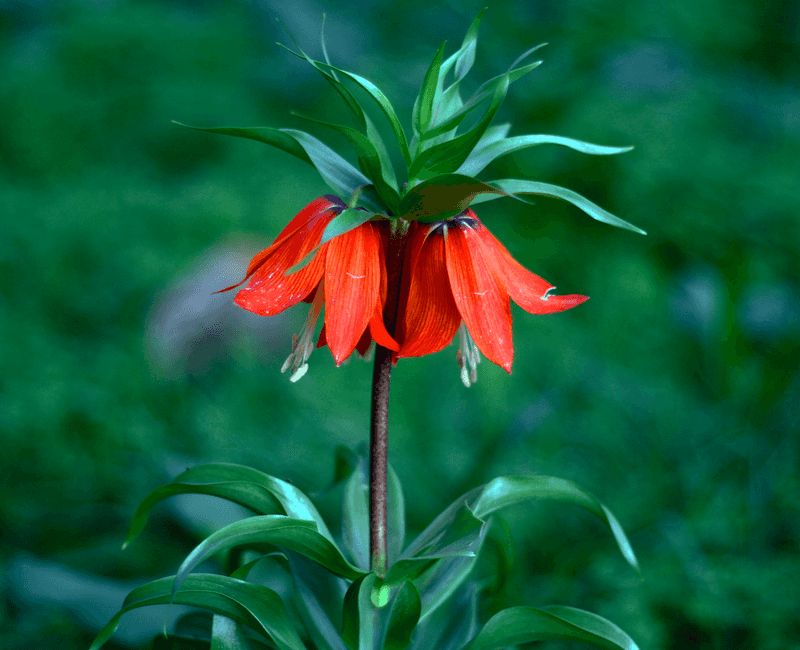
Image Credit: © Tarih vesaire / Pexels
Gardeners often describe the smell of crown imperial as skunky, and honestly, that musky scent is part of its charm. Rodents seem to dislike it too, which gives this showy bulb a handy defense in the garden.
Fritillaria imperialis grows up to three feet tall, topped with a ring of hanging bells in bold orange or sunny yellow. A tuft of green leaves sits above the flowers like a little crown, which inspired its royal name.
It is hardy in zones 5 through 8, so it does best in milder parts of the state with good drainage. Heavy clay that stays wet over winter often causes the large bulbs to rot before spring arrives.
Plant each bulb about six to eight inches deep, tilting it slightly on its side as you set it down. The bulb has a hollow center, and that tilt helps water run off instead of pooling inside.
Turn one of the bells upward in spring, and you may spot clear droplets of nectar resting inside. Folklore links those droplets to tears, which adds a little storybook mystery to an already dramatic flower.
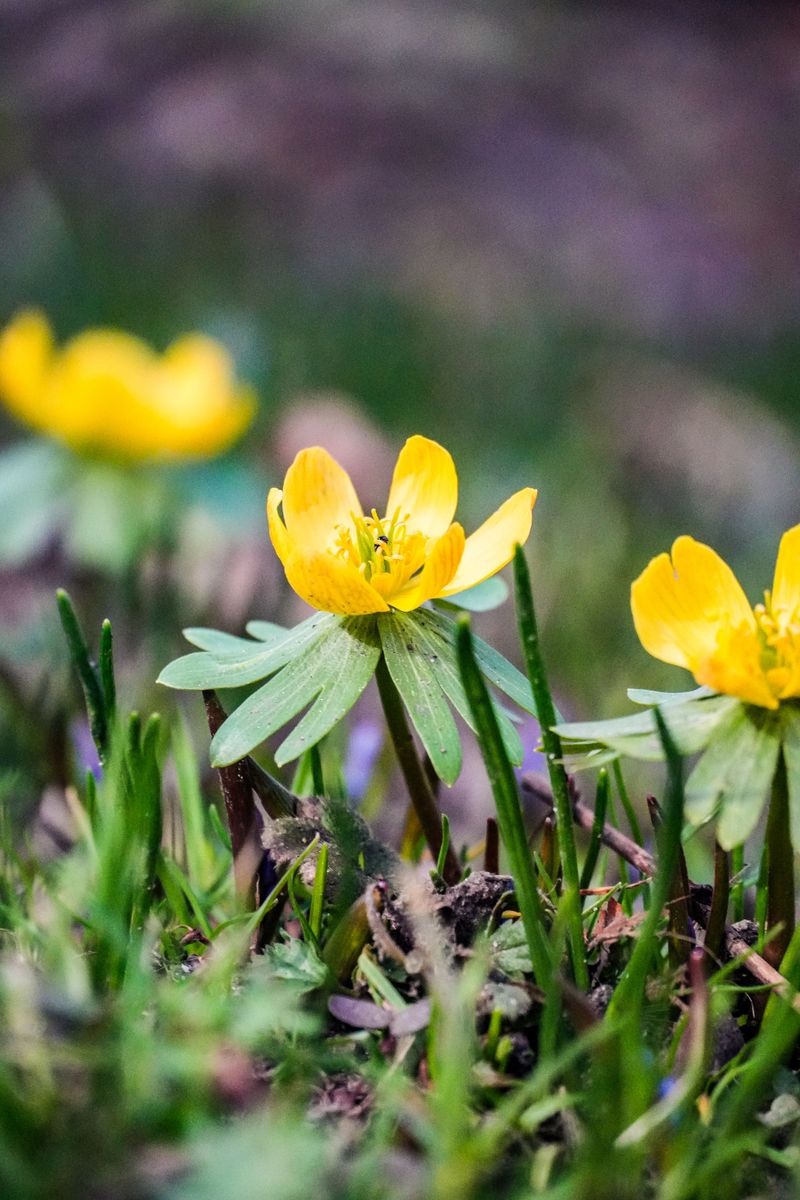
Image Credit: © 0xd1ma / Pexels
Bright yellow buttercups blooming in late winter feel almost like a mistake, yet winter aconite does exactly that. Each flower sits on a frilly green collar of leaves, like a tiny sun wearing a leafy ruffle.
Known as Eranthis hyemalis, this plant often opens in February or March, among the earliest flowers in many gardens. It grows best in zones 4 through 7, making it a good choice for colder northern yards.
The small knobby tubers dry out easily, so soak them in water overnight before planting this month. Then set them about two to three inches deep and three inches apart in rich, moist soil.
Planting early in fall gives these tubers the best chance, so try not to wait until the last minute. Dappled shade under deciduous trees mimics their native woodland home and keeps the soil cool in summer.
Winter aconite is a buttercup relative, and all parts of the plant are toxic if eaten by pets or people. Keep curious dogs away from freshly planted spots, and wash your hands after handling the tubers.
The post 12 Spring Bulbs to Plant in New York Before the Ground Freezes appeared first on Positivebloom.
I find this part of gardening wonderfully sneaky, like hiding presents in the yard for your future self. You bury plain brown lumps in cool soil and simply walk away for five long months.
The timing matters more than most people expect, especially across a state as big as New York. Upstate yards can freeze weeks before city gardens, and the clock ticks a little faster up north.
My list mixes famous garden stars with tiny early risers that bloom right through late snow. A few of them hide strange habits and odd smells that surprised me the first time I read about them.
1. Tulips
Image Credit: © Patricia Merl / Pexels
Squirrels in your yard probably think tulip bulbs are a free autumn snack bar set up just for them. You can outsmart those furry thieves with a little planning and a few smart tricks this month.
Most tulips grow well in zones 3 through 8, which covers nearly every corner of the state. They need a long, cold winter nap to build those tall stems and cup-shaped blooms in spring.
Dig each hole about six to eight inches deep, setting the pointy end up and the flat roots down. Pick a sunny spot with soil that drains quickly, since soggy ground can cause bulbs to rot.
Laying chicken wire over the planting area before you add mulch helps keep diggers away from your bulbs. Some gardeners also scatter crushed gravel in each hole, which makes tunneling feel rough on little paws.
Many fancy hybrid tulips put on their best show the first year, then slowly weaken in later seasons. Species tulips and Darwin hybrids often return more reliably, so they are worth trying in a sunny bed.
2. Daffodils
Image Credit: © Natalia Sevruk / Pexels
Deer will stroll right past a patch of daffodils as if the flowers were made of plastic. The bulbs contain a bitter compound called lycorine, so hungry animals mostly leave them alone all spring.
That built-in defense makes daffodils a favorite for rural yards where deer and voles roam freely at night. They grow happily in zones 3 through 8 and often spread into bigger clumps over many years.
Plant each bulb about six inches deep with the pointed tip facing the sky and the roots below. Full sun gives the strongest flowers, though light shade under tall trees usually works fine as well.
Early October is a great window, because the bulbs need several weeks to grow roots before the soil freezes. Water them well after planting, then let autumn rain handle most of the work from there.
After blooming next spring, leave the leaves in place until they turn yellow on their own and flop. Those leaves feed the bulb for next year, so cutting them early often means fewer flowers later.
3. Crocuses
Image Credit: © Henning Roettger / Pexels
Hungry bees waking up on a chilly March afternoon often find their very first meal inside a crocus cup. The little flowers open wide in sunshine and close up tight again when clouds roll overhead.
Crocuses are hardy in zones 3 through 8, and they handle cold snaps far better than their delicate looks suggest. Purple and golden types are the most common, though striped kinds look lovely in groups too.
Tuck the small corms about three to four inches deep, spacing them a few inches apart for a thick carpet. They tolerate many soil types, as long as water drains away and does not sit around them.
One fun trick is planting crocuses right into the lawn, where they bloom before the grass needs mowing. Just wait until the foliage fades in late spring before you start the mower for the season.
Did you know the pricey spice saffron comes from a crocus relative that blooms in fall instead? Spring crocuses do not make saffron, but they share the same family charm and bright little cups.
4. Hyacinths
© taprootfields
One hyacinth spike can perfume a whole front walk, and I am sure your mail carrier will notice. The scent is sweet and strong, almost like someone sprayed a fancy room spray across your porch steps.
Hyacinths grow best in zones 4 through 8, so most yards across the state can enjoy them each spring. Their thick spikes come in rich blue or soft pink shades, packed with tiny star-shaped blooms.
Set the bulbs about six inches deep and roughly five inches apart in a sunny, well-drained garden bed. Planting them near a doorway or path lets you enjoy that fragrance every time you walk outside.
You definitely need gloves for this job, because the papery bulb skins can make some people’s hands itch. The irritation comes from tiny crystals in the bulb, and washing up afterward usually prevents any trouble.
Bloom spikes often look shorter and looser after the first year, which is normal for these garden bulbs. Many gardeners actually prefer that relaxed second-year look, since the flowers seem less stiff and more natural.
5. Grape Hyacinths
© DutchGrown
Grape hyacinths do something odd in autumn, sending up grassy leaves just as most plants are shutting down. Those early leaves sometimes confuse new gardeners, but they are a normal part of the plant’s yearly rhythm.
Despite the name, they are not true hyacinths, and they belong to a separate group called Muscari. The tiny flower clusters really do resemble upside-down bunches of grapes in deep blue or soft purple shades.
Plant the small bulbs about three inches deep and three inches apart for a dense, colorful drift. They handle full sun or partial shade and seem happy in most soils that drain well after rain.
Deer and rodents rarely bother them, which makes them a smart partner for tulips in mixed garden beds. I like how a ribbon of blue around taller tulips looks, almost like a river flowing past them.
Grape hyacinths multiply quickly, so a small handful planted this fall can become a big patch within a few years. You can dig and divide crowded clumps after the foliage fades, sharing extras with friends.
6. Snowdrops
Image Credit: © Jakub Krystkiewicz / Pexels
Tiny white bells hanging over frozen ground might be the bravest sight in any late winter garden. Snowdrops often bloom in February or early March, sometimes poking right through a thin layer of crusty snow.
Their scientific name, Galanthus, comes from Greek words meaning milk flower, which fits those pure white petals. Look closely and you will spot little green markings on the inner petals, almost like painted smiles.
Snowdrops thrive in zones 3 through 7, making them a great match for colder upstate gardens and city yards alike. Plant the bulbs about three inches deep in small groups, since a single flower can look lonely.
They love spots under deciduous trees, where they soak up sun before the branches fill with leaves. Soil rich in compost that stays slightly moist but not soggy suits them best throughout the seasons.
Dry bulbs from stores can be slow to settle in, so plant them as soon as you bring them home. Patience pays off here, because healthy clumps slowly spread into charming white drifts over the years.
7. Siberian Squill
© Gardenista
Few flowers can match the electric blue of Siberian squill, which almost glows on a gray early spring morning. The nodding star-shaped blooms appear soon after the snow melts, often alongside the last snowdrops.
These tough little bulbs are hardy in zones 2 through 8, so even the chilliest Adirondack yards can grow them. Deer and rabbits usually skip them, which helps your early display last until the petals fade.
Plant the bulbs about three inches deep and a few inches apart in sun or partial shade. They do best in well-drained soil and need very little care once they settle into their new home.
I believe honesty matters here, because Siberian squill spreads quickly by seed and can escape into nearby woods. Some natural areas in the Northeast now treat it as an invasive plant that crowds out native wildflowers.
Keep it in contained beds away from forests, or choose a calmer bulb if you live beside natural areas. Checking with your local Cornell Cooperative Extension office is a smart move before planting large amounts.
8. Alliums
© Bluestone Perennials
Giant purple pom-poms floating on tall stems make alliums look like something from a cartoon garden. Some varieties, like Globemaster, produce flower heads nearly ten inches across, big enough to stop people on the sidewalk.
Alliums are ornamental onions, and a crushed leaf gives off that familiar oniony smell you know from the kitchen. That scent helps keep deer and rodents away, so your bulbs usually stay safe underground all winter.
Most types grow well in zones 4 through 8 and bloom in late spring after tulips have finished. Plant them about two to three times as deep as the bulb is tall, in full sun with sharp drainage.
Their leaves often turn yellow and floppy right as the flowers open, which looks a bit messy up close. Planting them behind bushy perennials like catmint hides those tired leaves while the big blooms tower overhead.
Bees and butterflies flock to the flowers, and the dried seed heads can stay standing well into summer. Many gardeners leave them in place as sculptural decorations or snip them for long-lasting indoor arrangements.
9. Glory Of The Snow
© High Country Gardens
Its name sounds like a fairy tale title, and the flowers live up to every bit of that drama. Bright blue stars with crisp white centers pop open in early spring, sometimes while snow still lingers nearby.
Botanists have shuffled this plant around, and some now group Chionodoxa with its close cousins in the Scilla genus. Garden catalogs still sell it under the old name, so look for Chionodoxa when shopping for bulbs.
Glory-of-the-snow is hardy in zones 3 through 8 and handles harsh winters without any fuss at all. Plant the bulbs about three inches deep and two to three inches apart for a thick, sparkling patch.
Full sun or light shade works well, especially under trees that leaf out later in spring. Each bulb sends up a short stem with several upward-facing flowers, which makes them easy to admire from above.
Like Siberian squill, it can self-sow freely, so watch where seedlings appear over the next few seasons. Planting it in lawns or contained beds keeps the spread under control while still giving you that cheerful blue carpet.
10. Spring Starflower
© Gardener’s Path
Crush a leaf of spring starflower, and you will catch a faint whiff of onion mixed with something green. The pale blue star-shaped flowers carry a light sweet scent that you notice best on warm, sunny afternoons.
Known to botanists as Ipheion uniflorum, this bulb comes from South America and is a bit more cold-sensitive. It grows best in zones 5 through 9, so it suits New York City and Long Island gardens nicely.
Colder upstate gardeners can still try it in a sheltered spot near a south-facing wall or foundation. A thick layer of shredded leaves after the ground freezes gives the bulbs extra protection during bitter cold spells.
Plant the small bulbs about three inches deep and two to three inches apart in well-drained soil. Full sun or partial shade both work, and the grassy leaves often appear in fall before winter arrives.
Each stem carries a single flower, which explains the uniflorum part of its name meaning one flower. Over time, healthy plants form neat clumps that look lovely tucked along path edges or rock garden pockets.
11. Crown Imperial
Image Credit: © Tarih vesaire / Pexels
Gardeners often describe the smell of crown imperial as skunky, and honestly, that musky scent is part of its charm. Rodents seem to dislike it too, which gives this showy bulb a handy defense in the garden.
Fritillaria imperialis grows up to three feet tall, topped with a ring of hanging bells in bold orange or sunny yellow. A tuft of green leaves sits above the flowers like a little crown, which inspired its royal name.
It is hardy in zones 5 through 8, so it does best in milder parts of the state with good drainage. Heavy clay that stays wet over winter often causes the large bulbs to rot before spring arrives.
Plant each bulb about six to eight inches deep, tilting it slightly on its side as you set it down. The bulb has a hollow center, and that tilt helps water run off instead of pooling inside.
Turn one of the bells upward in spring, and you may spot clear droplets of nectar resting inside. Folklore links those droplets to tears, which adds a little storybook mystery to an already dramatic flower.
12. Winter Aconite
Image Credit: © 0xd1ma / Pexels
Bright yellow buttercups blooming in late winter feel almost like a mistake, yet winter aconite does exactly that. Each flower sits on a frilly green collar of leaves, like a tiny sun wearing a leafy ruffle.
Known as Eranthis hyemalis, this plant often opens in February or March, among the earliest flowers in many gardens. It grows best in zones 4 through 7, making it a good choice for colder northern yards.
The small knobby tubers dry out easily, so soak them in water overnight before planting this month. Then set them about two to three inches deep and three inches apart in rich, moist soil.
Planting early in fall gives these tubers the best chance, so try not to wait until the last minute. Dappled shade under deciduous trees mimics their native woodland home and keeps the soil cool in summer.
Winter aconite is a buttercup relative, and all parts of the plant are toxic if eaten by pets or people. Keep curious dogs away from freshly planted spots, and wash your hands after handling the tubers.
The post 12 Spring Bulbs to Plant in New York Before the Ground Freezes appeared first on Positivebloom.