
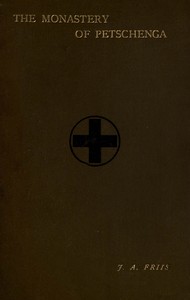
The monastery of Petschenga : Sketches of Russian Lapland (from historical and…
Let's be clear from the start: this isn't a novel with a three-act plot. 'The Monastery of Petschenga' is a travelogue, a series of vivid sketches from the edge of the known world. Jens Andreas Friis, a scholar from Oslo, journeys north to the Kola Peninsula in the 1860s. His goal is to visit the Pechenga Monastery, a historic Russian Orthodox site, and to live among the Sámi (then called Lapps).
The Story
The book is his eyewitness account. He describes the arduous trek to get there—think sledges, reindeer, and navigating frozen coasts. Once at the monastery, he paints a picture of its isolated spiritual life. But the real story unfolds outside its walls. Friis immerses himself in Sámi communities. He details their ingenious survival techniques, their intricate reindeer herding, their clothing made for -40°C, and their rich oral traditions and spiritual beliefs. He records their language and songs, sensing that this ancient culture is at a crossroads. The 'conflict' is quiet but constant: the harsh Arctic environment versus human resilience, and the creeping influence of the outside world on a traditional society.
Why You Should Read It
You should read this because it's raw, unfiltered anthropology from a time before documentaries. Friis isn't a detached scientist; his curiosity and respect shine through. He gets frustrated by the cold, marvels at the endless summer light, and seems genuinely awed by Sámi skills. The book transports you. One minute you're learning how to build a lavvu (a Sámi tent), the next you're contemplating the silent, vast tundra. It’s a powerful reminder of human adaptability. While some of his 19th-century perspectives feel dated, his core mission—to preserve a snapshot of a culture—feels incredibly urgent today. It makes you think about all the other quiet ways of life that have faded from memory.
Final Verdict
This book is a niche gem, but a brilliant one. It's perfect for armchair explorers, history buffs with a taste for the unusual, and anyone fascinated by Arctic cultures or the Sámi people. If you love the immersive feel of classic travel writing and don't mind a slower, observational pace, you'll be captivated. It's not a light beach read; it's a book for a quiet evening, one that will make your own world feel a little bigger and a lot warmer. Think of it as an invitation to an Arctic adventure from 150 years ago, with a guide who was genuinely amazed by what he found.






Mark Nguyen
6 months agoGreat digital experience compared to other versions.