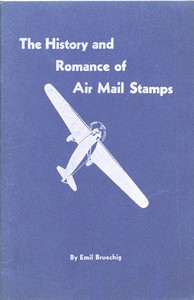
The History and Romance of Air Mail Stamps by Emil Bruechig
On the surface, Emil Bruechig's book is exactly what the title promises: a detailed look at the first airmail stamps issued around the world. He walks us through the famous U.S. 'inverted Jenny' stamp, the early designs from Europe, and how different countries marked this new era of communication. But the magic happens when he uses these stamps as launchpads. Each chapter is a ticket to a different story.
The Story
Bruechig doesn't just list stamps and dates. He tells the story of the airmail service itself. You'll read about the first official U.S. airmail flight in 1918, which famously went the wrong way. You'll meet the pilots who flew in open cockpits, navigating by railroad tracks and riverbeds. The book explains how the post office literally helped chart the first commercial airways across America, placing lighted beacons on rooftops and hilltops so pilots could fly at night. It's a story of trial, error, and a lot of courage, all funded by the sale of those special stamps.
Why You Should Read It
What I loved most is how it connects small things to big history. Holding a 1920s airmail stamp meant you were holding a piece of a revolution. That stamp paid for the fuel, the plane, and the pilot's salary for a leg of a journey that might have taken weeks by train. Bruechig has a genuine affection for this era, and it's contagious. He makes you see the romance in a government logistics project. You start to appreciate the bold optimism it took to believe you could reliably put mail in the air.
Final Verdict
This book is perfect for history buffs who enjoy niche stories, aviation enthusiasts curious about the 'barnstorming' days, and anyone who likes 'microhistories'—books that explore big ideas through small, everyday objects. It's not a dry catalog. It's a love letter to a bygone age of adventure, told through the humble postage stamp. Just be warned: you might find yourself browsing online stamp auctions after the last page.
This is a copyright-free edition. Access is open to everyone around the world.