
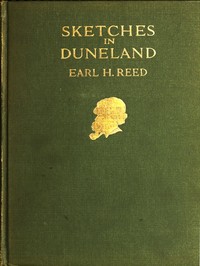
Sketches in Duneland by Earl H. Reed
Let's be clear from the start: this is not a page-turning thriller. Published in 1918, 'Sketches in Duneland' is a collection of essays and observations from artist and writer Earl H. Reed. He wanders the dunes along Lake Michigan, capturing moments in prose and with his own illustrations. There's no single story arc. Instead, each chapter is like a snapshot—a day spent following a winding creek, a night listening to the lake roar during a gale, or a conversation with an old settler remembering the 'good old days.' It's the literary equivalent of a slow, thoughtful hike where the destination matters less than what you notice along the way.
Why You Should Read It
I picked this up on a whim, and it completely disarmed me. In our world of constant noise, Reed's writing is a masterclass in paying attention. His love for the dunes is contagious. He finds drama in the shape of a sand drift and history in a crumbling fence post. The book is a beautiful reminder that wonder doesn't require grand vistas (though the dunes provide them); it's in the details. Reading it, I felt my own pace slow down. It made me want to go outside and just look at something—really look at it. The essays also quietly mourn the changes coming to the region, giving the whole book a bittersweet, nostalgic heart that feels surprisingly modern.
Final Verdict
This book is a specific, quiet joy. It's perfect for nature lovers, local history enthusiasts, or anyone feeling digitally overwhelmed. If you enjoy the reflective essays of Henry David Thoreau or the nature writing of John Muir, but wish it was a bit more accessible and focused on the Midwest, you'll find a kindred spirit in Earl Reed. It's also a fantastic read for anyone who has visited or plans to visit the Indiana Dunes National Park—it's the ultimate historical trail guide. Just don't rush it. Savor it like a peaceful afternoon, one sketch at a time.
Legal analysis indicates this work is in the public domain. It is now common property for all to enjoy.
Joshua Hernandez
4 months agoLoved it.
Margaret Brown
1 year agoHelped me clear up some confusion on the topic.



Sarah Hill
1 year agoBased on the summary, I decided to read it and the emotional weight of the story is balanced perfectly. A valuable addition to my collection.