T
Taylor Adams
Guest
- Thread Author
- #1
Bobwhite quail rarely spend the entire year behaving the same way, and fall brings an important change to their daily lives.
Once breeding season winds down, birds that spent warmer months in pairs or family groups begin gathering into coveys. These groups help quail stay alert while moving between feeding spots and protective cover.
You might hear their familiar calls without realizing how much their social behavior has shifted.
In Georgia, bobwhites depend on grassy openings and patches of dense vegetation to get through colder weather. Seeds become an important food source as insects grow less available.
Consider leaving suitable brushy cover undisturbed where these birds already live.
A tidy landscape is not always a welcoming one for quail. Their fall routine offers a reminder that shelter matters just as much as food.
© Gun Dog Magazine
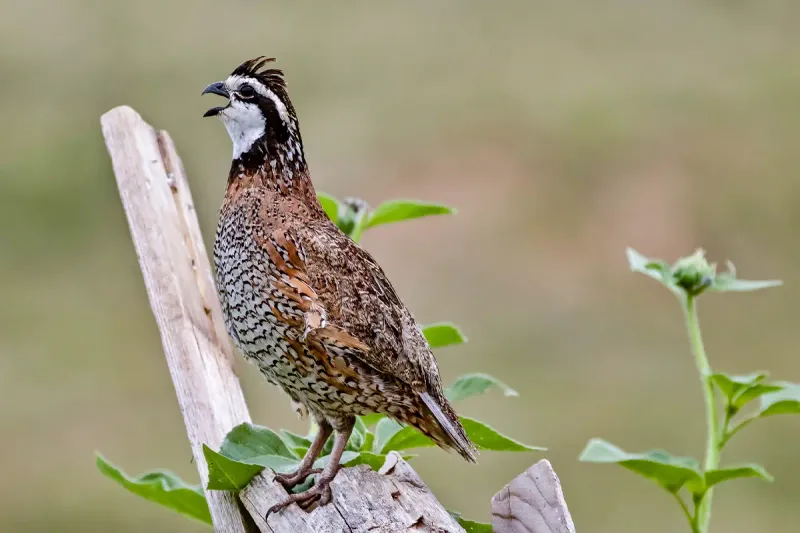
Safety in numbers is the whole game for a bobwhite in fall. Once nesting season winds down, quail start living together in small groups called coveys.
A typical covey often holds somewhere around a dozen birds, though the count can rise or fall depending on the area and the year.
More eyes mean a better chance of spotting a hawk or fox before it gets close. When one bird senses trouble, the whole group can burst into flight at once, which can confuse a predator.
Warmth matters just as much as watchfulness. Bobwhites are small birds, and they lose body heat quickly on chilly nights.
Staying close together helps each bird hold onto warmth through long fall and winter evenings in Georgia.
You may notice coveys start to form as early as September or October in some areas. Timing can shift with weather, food supply, and how successful the summer nesting season was.
If you walk your property in late fall, move slowly along brushy edges and weedy fence lines. A sudden whir of wings from the grass is often the first clue that a covey lives nearby.
Try not to flush the same group again and again, since repeated disturbance costs them energy they need for colder weather.
© Reddit
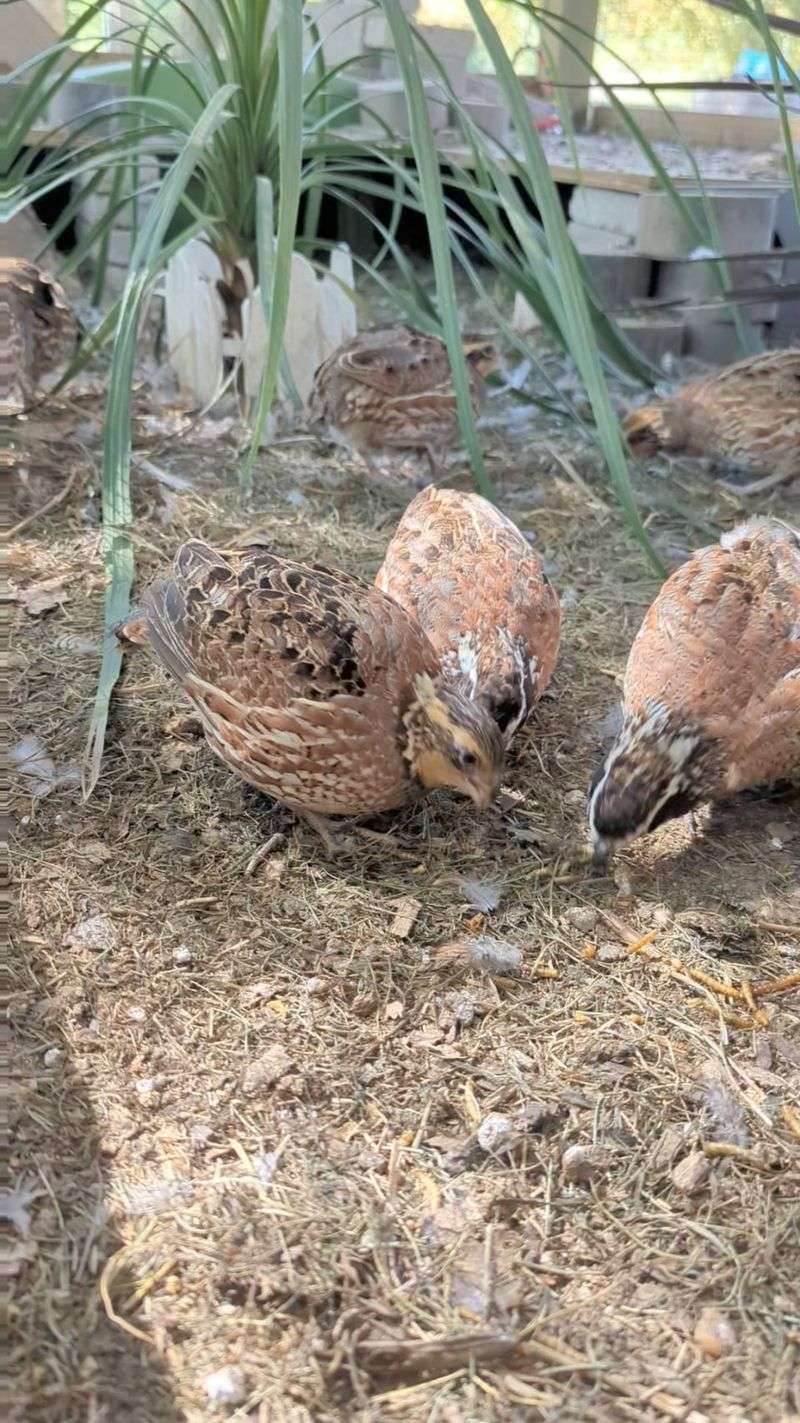
Summer families rarely stay exactly the same once fall arrives. A brood that hatched together may split up, blend with other birds, and settle into a brand new group.
Wildlife biologists call this the fall shuffle, and it is a normal part of the bobwhite year.
Young birds and adults from different broods often join forces during this period. Some coveys end up holding birds that were raised in separate nests, sometimes from different parts of the area.
Mixing like this likely helps reduce inbreeding within local quail populations.
It may also help balance group size. A covey that lost birds over the summer can pick up newcomers, while a large brood might break apart into smaller units.
Movement during the shuffle can be noticeable. Birds you saw in one pasture in August might turn up a field or two away by November.
Landowners across Georgia sometimes report more scattered sightings in early fall before coveys settle into steadier home ranges.
If you are tracking quail on your land, keep simple notes on where and when you see them. Over a few seasons, those notes can show you which spots coveys favor once the shuffle ends.
Patience helps here, because patterns can change from year to year.
© quail_forever
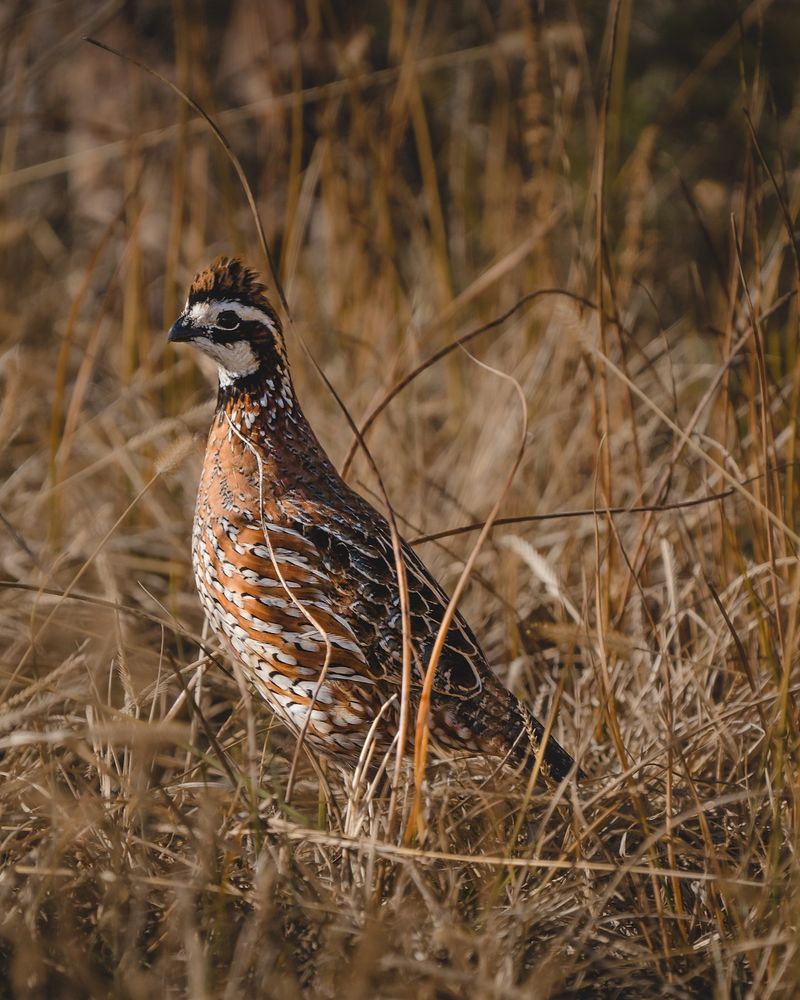
Forget the famous bob-white whistle for a moment. In fall, the sound to listen for is a different call, often described as koi-lee or koi-a-hee.
Coveys tend to give this call around dawn, especially when birds have been split up the evening before.
Each bird calling helps the others figure out where to gather. After a predator scatters a group, the call works a bit like a roll call across the field.
Calling activity often peaks in a short window just before or around sunrise. Calm, clear mornings usually make the calls easier to hear than windy or rainy ones.
Biologists in Georgia and other southern states use fall covey call counts to estimate how many coveys live on a property.
You can try a simple version yourself. Pick a spot near good cover, arrive before first light, and listen quietly for about 30 to 45 minutes.
Write down the direction of each call you hear. Repeat the count on a few mornings, since weather and other factors can change how often birds call.
Results will not give an exact count, but they can show general trends. Hearing more calls over the years can be a hopeful sign that your habitat work is paying off.
© rooftop_weather
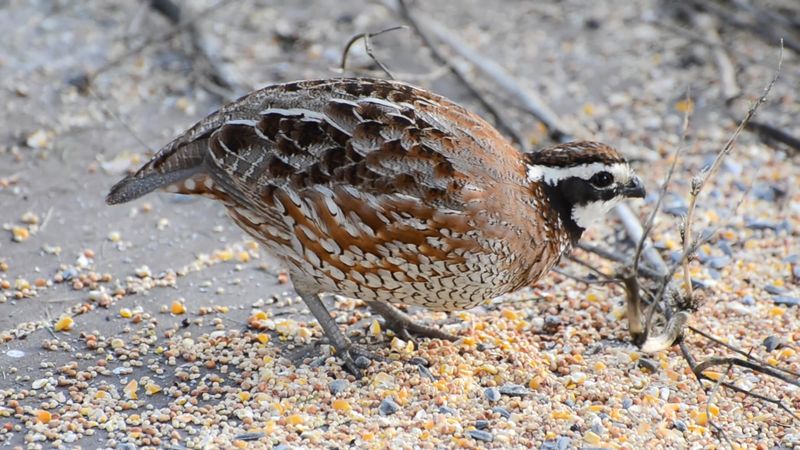
Bugs fuel bobwhites in summer, but cooler weather changes the menu. As insects get harder to find, quail lean more heavily on seeds.
Chicks depend on insects for protein early in life, so the fall shift mostly applies to grown birds.
Common fall foods can include ragweed, partridge pea, beggarweed, lespedeza, and other native plants. Waste grain from crops and acorns from oaks may also show up in their diet, depending on what grows nearby.
Soft mast like berries can help too when it is available.
Seeds pack energy that helps birds stay warm through colder nights. A steady supply close to good cover lets quail feed without wandering too far from safety.
Food sources vary a lot across Georgia, from the Coastal Plain to the Piedmont. Soil type, rainfall, and land use all shape what plants come up in a given spot.
Want to help? Let some native weedy plants go to seed instead of clearing every patch.
Light disking in fall or winter can encourage seed-producing plants the next year, though results depend on your soil and the seed already in the ground.
Your county Extension office can suggest plants that suit your area.
© Reddit
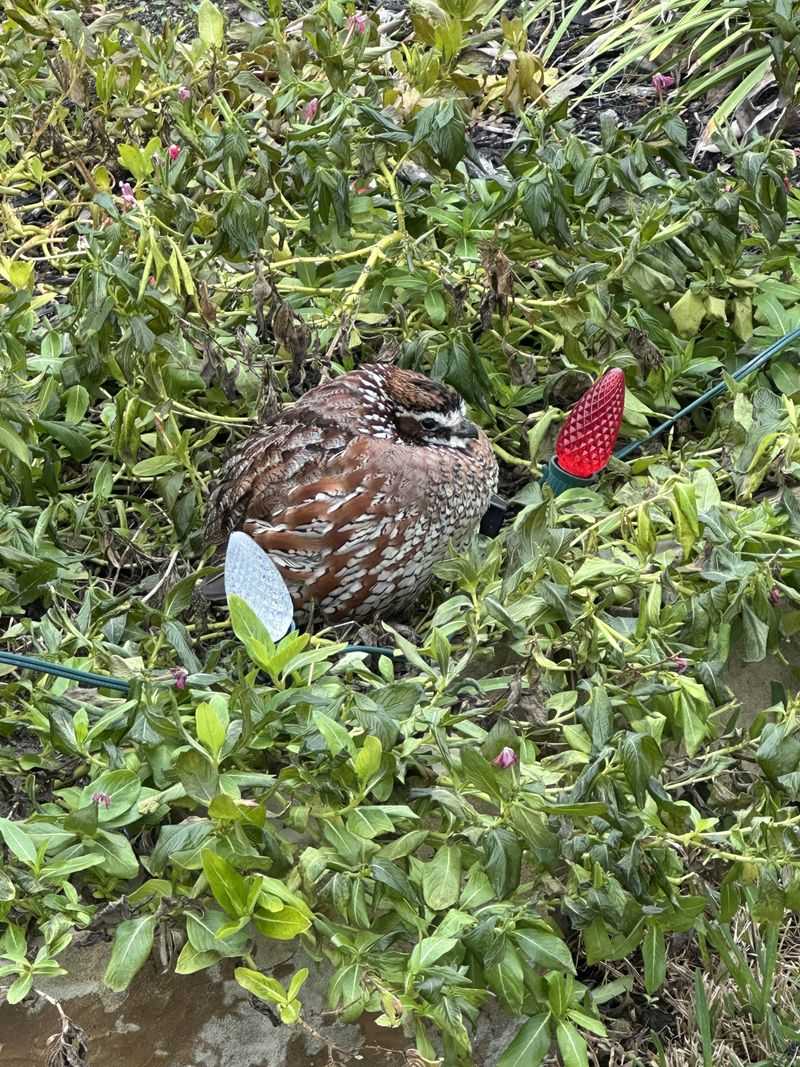
Picture a ring of birds with their tails pointed in and heads facing out. Bobwhites often roost on the ground at night in exactly this kind of tight circle.
Shared body heat inside the ring helps each bird stay warmer during cool fall nights.
Facing outward gives the covey a view in every direction. If a fox or other predator sneaks close, birds can flush outward at once instead of crashing into each other.
Roost spots are usually in fairly open ground with some overhead cover nearby. Grassy or weedy areas that are not too thick tend to work well, since birds need room to take off quickly.
Landowners sometimes find roost sites by spotting small round clusters of droppings in the grass.
Coveys may use different roost spots from night to night. Shifting locations could make it harder for predators to learn where the birds sleep.
Here in Georgia, fall nights can swing from mild to chilly in the same week. Small birds feel those swings, and the circle helps them save energy on colder evenings.
If you find a roost site, avoid mowing or driving over that spot during fall and winter. Leaving the area undisturbed gives the covey one less thing to worry about.
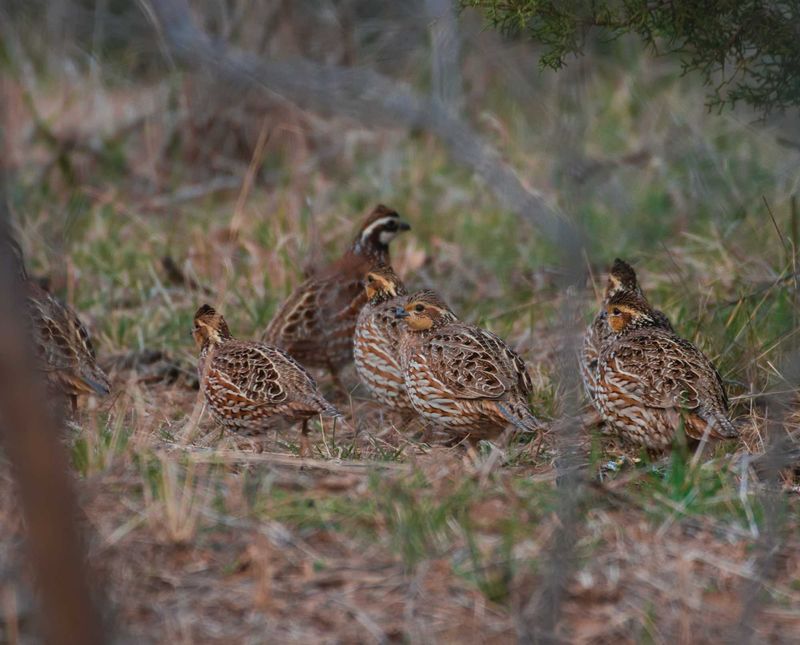
© Project Upland
Hawks hunt by sight, and a quail caught in the open has few options. Dense shrubby cover gives bobwhites a quick place to duck out of view.
Biologists often call this escape cover or loafing cover, depending on how the birds use it.
Good spots include blackberry tangles, wild plum thickets, sumac, and low brushy patches. Birds want cover overhead that blocks the view from above, with open ground underneath so they can still walk and move.
Fall can raise the pressure. Some hawk species migrate through or spend winter in the Southeast, and leaves dropping from trees can leave birds more exposed.
Quail usually prefer to stay within a short dash of thick cover while feeding. Wide open lawns or freshly cleared fields can feel risky, so coveys may avoid them.
Properties in Georgia that mix open fields with scattered thickets often suit quail better than land that is all one type.
You can help by leaving some brushy patches standing instead of clearing every fence row. If you have room, planting native shrubs in small clumps near feeding areas may add cover over time.
Growth speed depends on soil, sun, and rainfall, so expect a few seasons before shrubs fill in.
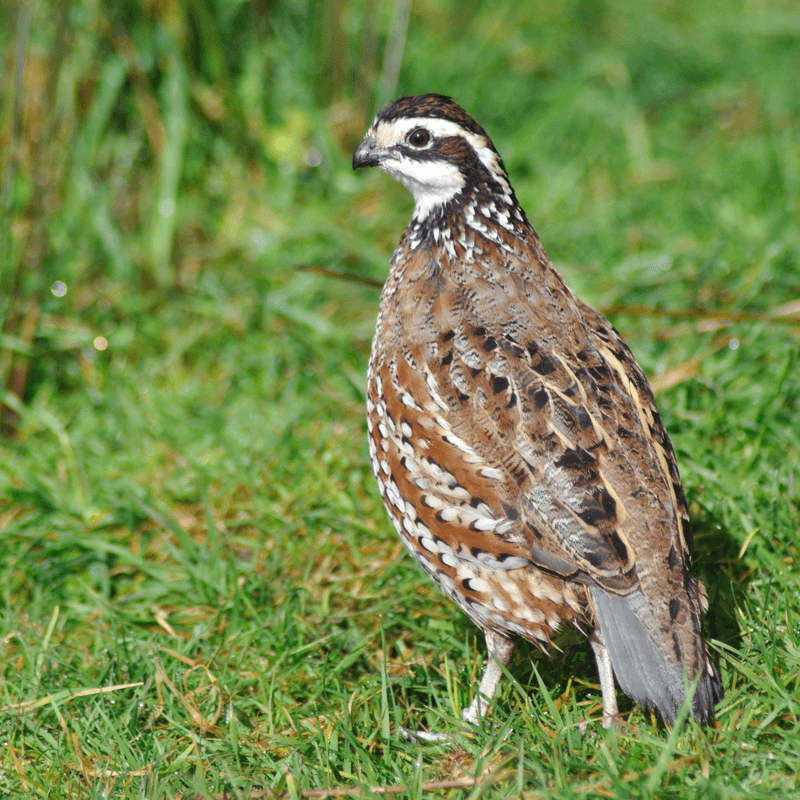
© Buddys Hatchery
Sometimes doing less is the best help you can give. A strip of unmowed grass and weeds along a field edge can offer bobwhites food and cover in one place.
Seed heads left standing feed birds, while the stems give them somewhere to hide.
Field borders work best when they are wide enough to feel safe. Exact width depends on your land, but wider strips generally provide more room for feeding and moving.
Native grasses that grow in clumps, like broomsedge and little bluestem, tend to suit quail better than thick sod-forming grasses.
Bunchgrasses leave open space at ground level for birds to walk through. Dense turf grasses like bermuda or fescue can be hard for small quail to move in.
Timing matters too. Mowing late in summer or fall can remove cover right when coveys are forming and preparing for colder months.
Many Georgia wildlife programs suggest managing borders with occasional disking or prescribed fire instead of frequent mowing. Fire should only be used with proper training, permits, and local guidance.
Not sure where to start? Contact your county Extension office or the state wildlife agency.
Staff can help you plan borders that fit your property and goals.
The post Georgia’s Bobwhite Quail Have A Different Fall Routine Before Winter Arrives appeared first on Positivebloom.
Once breeding season winds down, birds that spent warmer months in pairs or family groups begin gathering into coveys. These groups help quail stay alert while moving between feeding spots and protective cover.
You might hear their familiar calls without realizing how much their social behavior has shifted.
In Georgia, bobwhites depend on grassy openings and patches of dense vegetation to get through colder weather. Seeds become an important food source as insects grow less available.
Consider leaving suitable brushy cover undisturbed where these birds already live.
A tidy landscape is not always a welcoming one for quail. Their fall routine offers a reminder that shelter matters just as much as food.
1. They Gather Into Coveys To Stay Safer And Warmer
© Gun Dog Magazine
Safety in numbers is the whole game for a bobwhite in fall. Once nesting season winds down, quail start living together in small groups called coveys.
A typical covey often holds somewhere around a dozen birds, though the count can rise or fall depending on the area and the year.
More eyes mean a better chance of spotting a hawk or fox before it gets close. When one bird senses trouble, the whole group can burst into flight at once, which can confuse a predator.
Warmth matters just as much as watchfulness. Bobwhites are small birds, and they lose body heat quickly on chilly nights.
Staying close together helps each bird hold onto warmth through long fall and winter evenings in Georgia.
You may notice coveys start to form as early as September or October in some areas. Timing can shift with weather, food supply, and how successful the summer nesting season was.
If you walk your property in late fall, move slowly along brushy edges and weedy fence lines. A sudden whir of wings from the grass is often the first clue that a covey lives nearby.
Try not to flush the same group again and again, since repeated disturbance costs them energy they need for colder weather.
2. Family Groups Mix In Fall To Form New Coveys
Summer families rarely stay exactly the same once fall arrives. A brood that hatched together may split up, blend with other birds, and settle into a brand new group.
Wildlife biologists call this the fall shuffle, and it is a normal part of the bobwhite year.
Young birds and adults from different broods often join forces during this period. Some coveys end up holding birds that were raised in separate nests, sometimes from different parts of the area.
Mixing like this likely helps reduce inbreeding within local quail populations.
It may also help balance group size. A covey that lost birds over the summer can pick up newcomers, while a large brood might break apart into smaller units.
Movement during the shuffle can be noticeable. Birds you saw in one pasture in August might turn up a field or two away by November.
Landowners across Georgia sometimes report more scattered sightings in early fall before coveys settle into steadier home ranges.
If you are tracking quail on your land, keep simple notes on where and when you see them. Over a few seasons, those notes can show you which spots coveys favor once the shuffle ends.
Patience helps here, because patterns can change from year to year.
3. Morning Covey Calls Help Scattered Birds Regroup
© quail_forever
Forget the famous bob-white whistle for a moment. In fall, the sound to listen for is a different call, often described as koi-lee or koi-a-hee.
Coveys tend to give this call around dawn, especially when birds have been split up the evening before.
Each bird calling helps the others figure out where to gather. After a predator scatters a group, the call works a bit like a roll call across the field.
Calling activity often peaks in a short window just before or around sunrise. Calm, clear mornings usually make the calls easier to hear than windy or rainy ones.
Biologists in Georgia and other southern states use fall covey call counts to estimate how many coveys live on a property.
You can try a simple version yourself. Pick a spot near good cover, arrive before first light, and listen quietly for about 30 to 45 minutes.
Write down the direction of each call you hear. Repeat the count on a few mornings, since weather and other factors can change how often birds call.
Results will not give an exact count, but they can show general trends. Hearing more calls over the years can be a hopeful sign that your habitat work is paying off.
4. Their Diet Switches Mostly To Seeds As Insects Decline
© rooftop_weather
Bugs fuel bobwhites in summer, but cooler weather changes the menu. As insects get harder to find, quail lean more heavily on seeds.
Chicks depend on insects for protein early in life, so the fall shift mostly applies to grown birds.
Common fall foods can include ragweed, partridge pea, beggarweed, lespedeza, and other native plants. Waste grain from crops and acorns from oaks may also show up in their diet, depending on what grows nearby.
Soft mast like berries can help too when it is available.
Seeds pack energy that helps birds stay warm through colder nights. A steady supply close to good cover lets quail feed without wandering too far from safety.
Food sources vary a lot across Georgia, from the Coastal Plain to the Piedmont. Soil type, rainfall, and land use all shape what plants come up in a given spot.
Want to help? Let some native weedy plants go to seed instead of clearing every patch.
Light disking in fall or winter can encourage seed-producing plants the next year, though results depend on your soil and the seed already in the ground.
Your county Extension office can suggest plants that suit your area.
5. Roosting In A Circle Conserves Heat And Keeps Watch For Predators
Picture a ring of birds with their tails pointed in and heads facing out. Bobwhites often roost on the ground at night in exactly this kind of tight circle.
Shared body heat inside the ring helps each bird stay warmer during cool fall nights.
Facing outward gives the covey a view in every direction. If a fox or other predator sneaks close, birds can flush outward at once instead of crashing into each other.
Roost spots are usually in fairly open ground with some overhead cover nearby. Grassy or weedy areas that are not too thick tend to work well, since birds need room to take off quickly.
Landowners sometimes find roost sites by spotting small round clusters of droppings in the grass.
Coveys may use different roost spots from night to night. Shifting locations could make it harder for predators to learn where the birds sleep.
Here in Georgia, fall nights can swing from mild to chilly in the same week. Small birds feel those swings, and the circle helps them save energy on colder evenings.
If you find a roost site, avoid mowing or driving over that spot during fall and winter. Leaving the area undisturbed gives the covey one less thing to worry about.
6. Thick, Brushy Cover Gives Them A Place To Escape Hawks
© Project Upland
Hawks hunt by sight, and a quail caught in the open has few options. Dense shrubby cover gives bobwhites a quick place to duck out of view.
Biologists often call this escape cover or loafing cover, depending on how the birds use it.
Good spots include blackberry tangles, wild plum thickets, sumac, and low brushy patches. Birds want cover overhead that blocks the view from above, with open ground underneath so they can still walk and move.
Fall can raise the pressure. Some hawk species migrate through or spend winter in the Southeast, and leaves dropping from trees can leave birds more exposed.
Quail usually prefer to stay within a short dash of thick cover while feeding. Wide open lawns or freshly cleared fields can feel risky, so coveys may avoid them.
Properties in Georgia that mix open fields with scattered thickets often suit quail better than land that is all one type.
You can help by leaving some brushy patches standing instead of clearing every fence row. If you have room, planting native shrubs in small clumps near feeding areas may add cover over time.
Growth speed depends on soil, sun, and rainfall, so expect a few seasons before shrubs fill in.
7. Leaving Field Edges Unmowed Gives Coveys Food And Shelter
© Buddys Hatchery
Sometimes doing less is the best help you can give. A strip of unmowed grass and weeds along a field edge can offer bobwhites food and cover in one place.
Seed heads left standing feed birds, while the stems give them somewhere to hide.
Field borders work best when they are wide enough to feel safe. Exact width depends on your land, but wider strips generally provide more room for feeding and moving.
Native grasses that grow in clumps, like broomsedge and little bluestem, tend to suit quail better than thick sod-forming grasses.
Bunchgrasses leave open space at ground level for birds to walk through. Dense turf grasses like bermuda or fescue can be hard for small quail to move in.
Timing matters too. Mowing late in summer or fall can remove cover right when coveys are forming and preparing for colder months.
Many Georgia wildlife programs suggest managing borders with occasional disking or prescribed fire instead of frequent mowing. Fire should only be used with proper training, permits, and local guidance.
Not sure where to start? Contact your county Extension office or the state wildlife agency.
Staff can help you plan borders that fit your property and goals.
The post Georgia’s Bobwhite Quail Have A Different Fall Routine Before Winter Arrives appeared first on Positivebloom.